

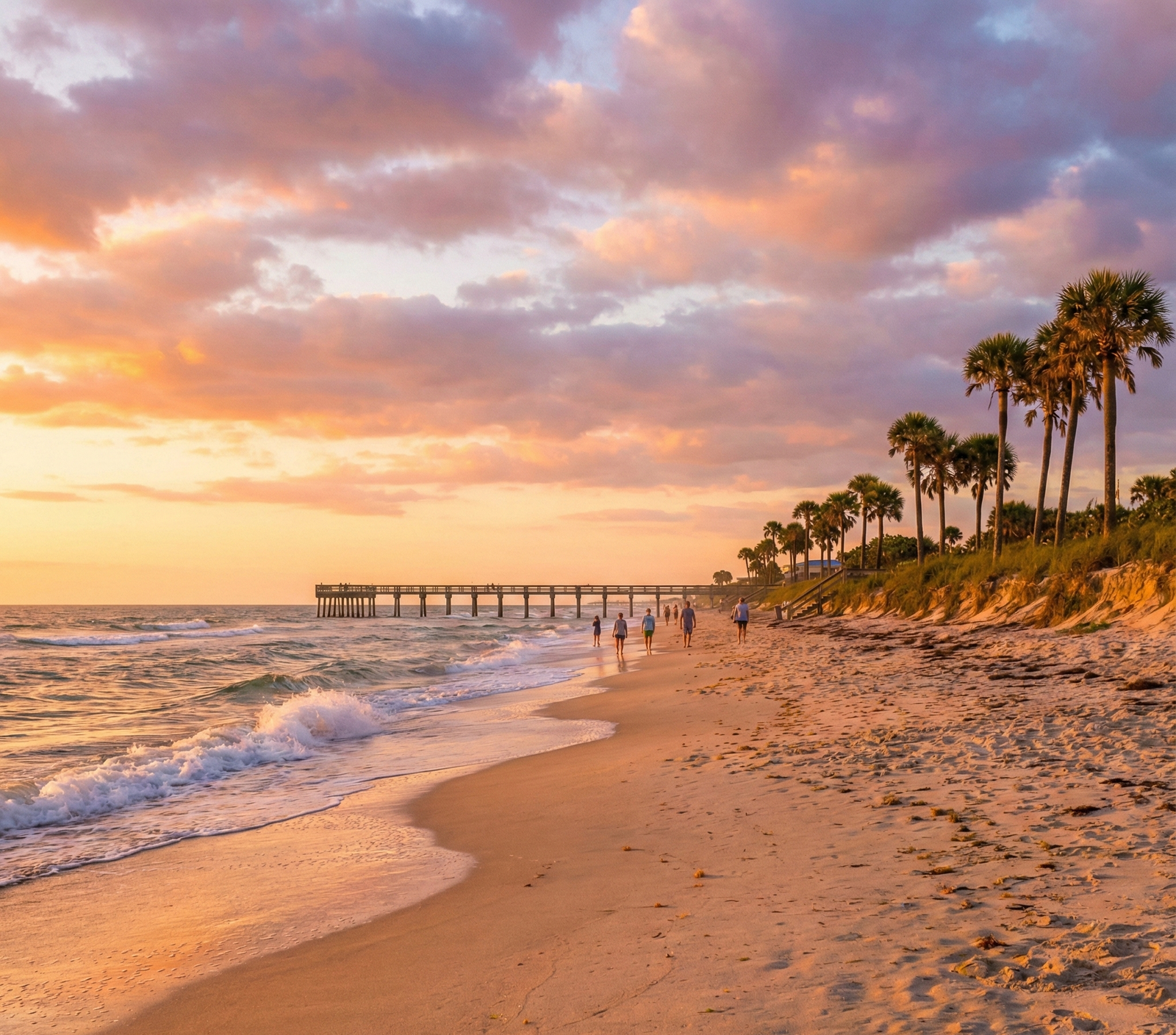
Compare Melbourne Beach and Satellite Beach for Brevard County buyers, including lifestyle, commute, beach and river access, schools, prices, insurance, flood risk, and buyer fit.
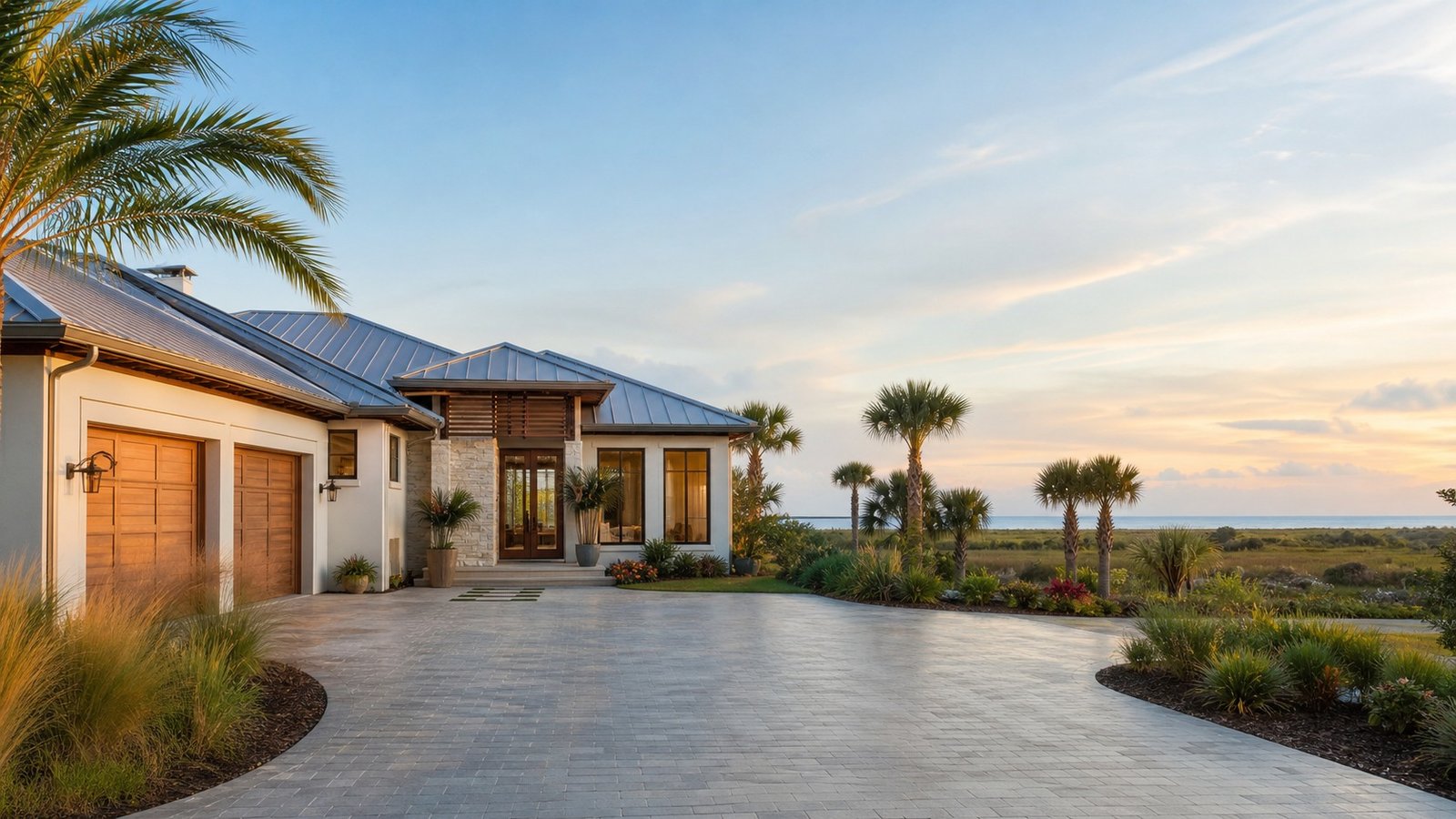
Should KSC Workers Choose a Newer North Brevard Subdivision or an Acreage Home?
A local Brevard County buyer guide answering: Should North Brevard buyers choose a newer subdivision or an acreage home if they work at Kennedy Space Center?
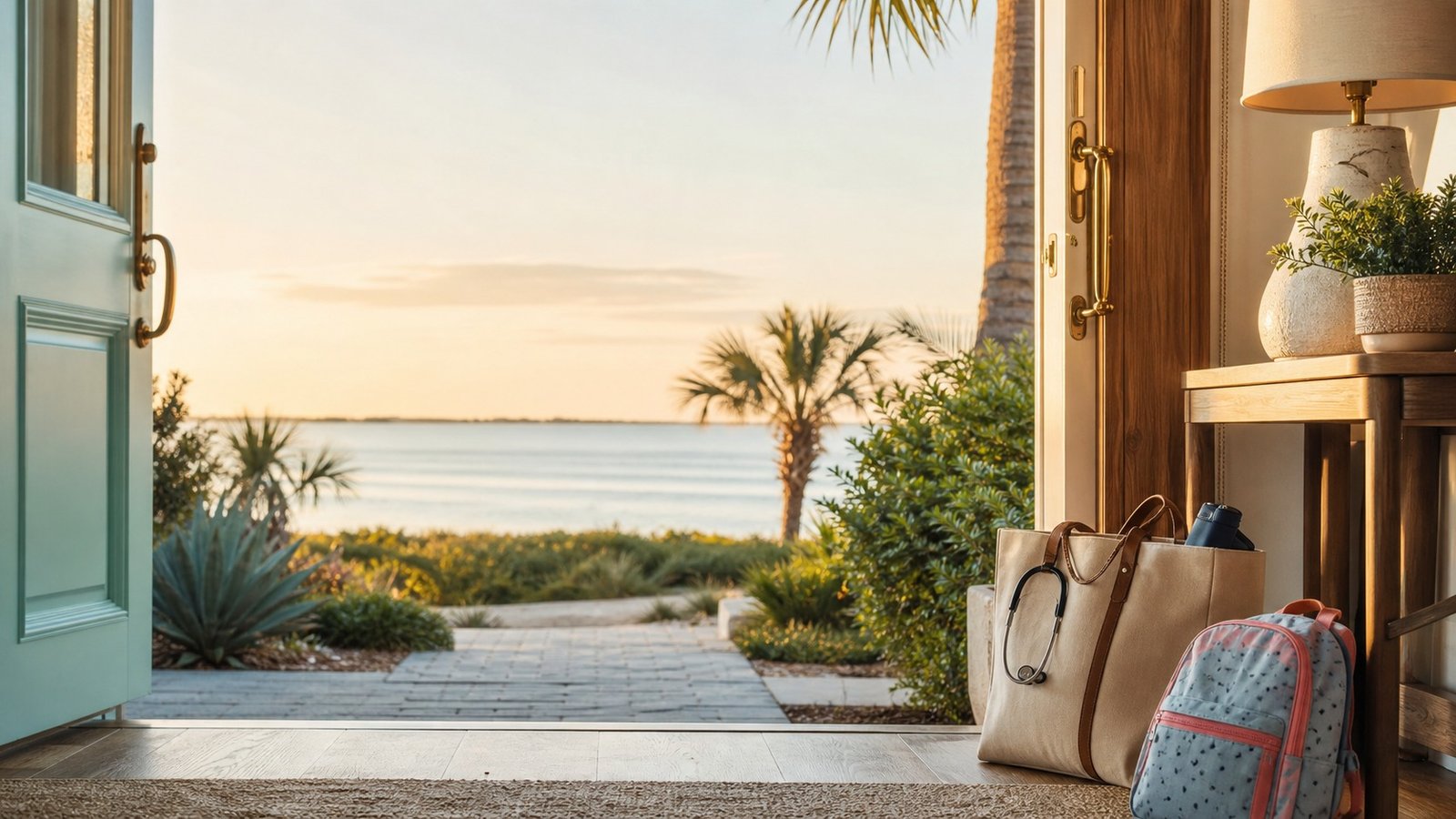
Best Space Coast Neighborhoods for Nurses Comparing Hospital Shifts, Childcare, and Beach Access
A local Brevard County buyer guide answering: Which Space Coast neighborhoods make the most sense for nurses comparing hospital shifts, childcare, and beach access?
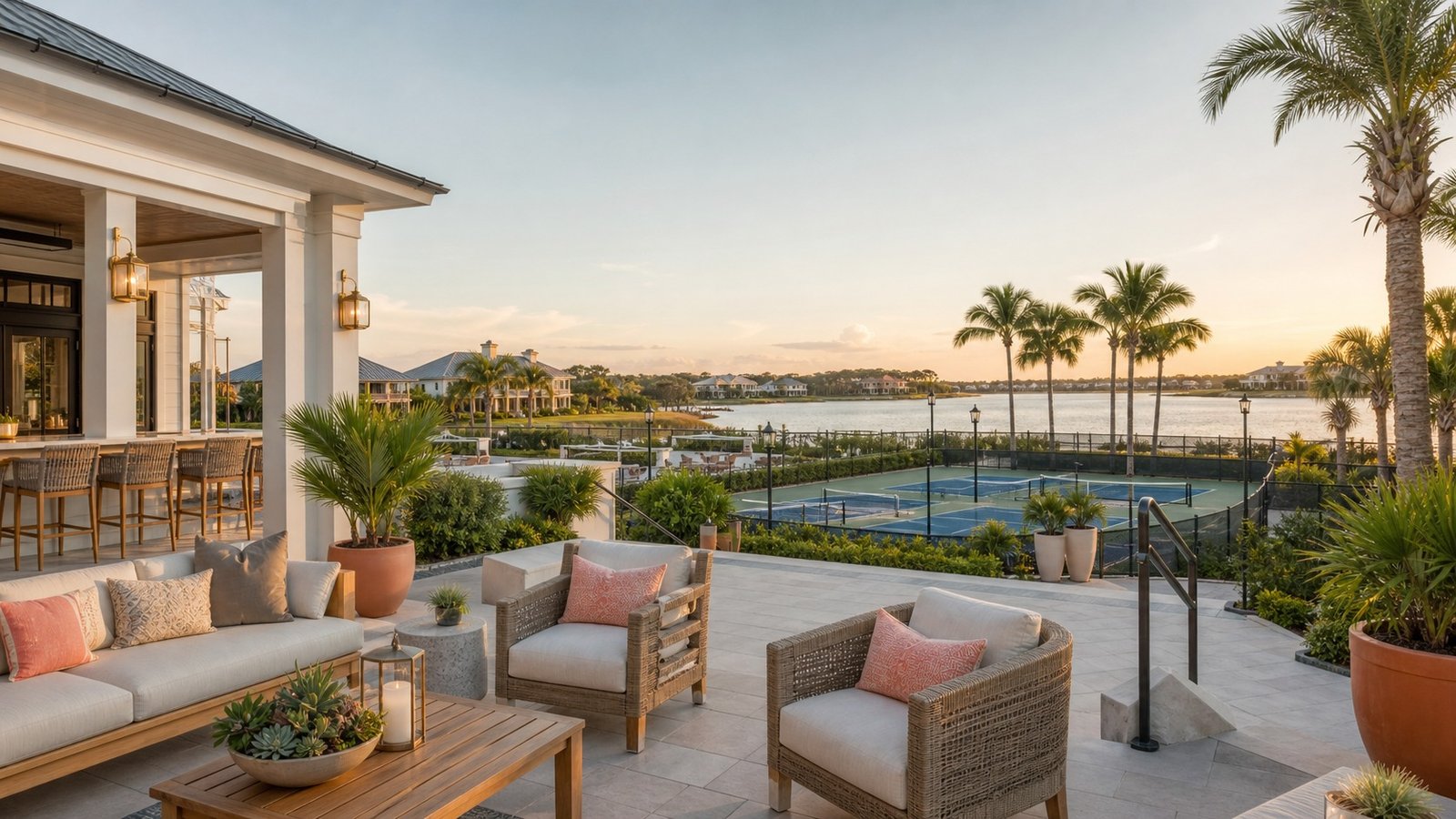
Best Brevard County Neighborhoods for HOA Amenities, Pickleball, and Monthly Payment Comfort
A local Brevard County buyer guide answering: Which Brevard County neighborhoods work best for buyers comparing HOA amenities, pickleball access, and monthly payment comfort in 2026?
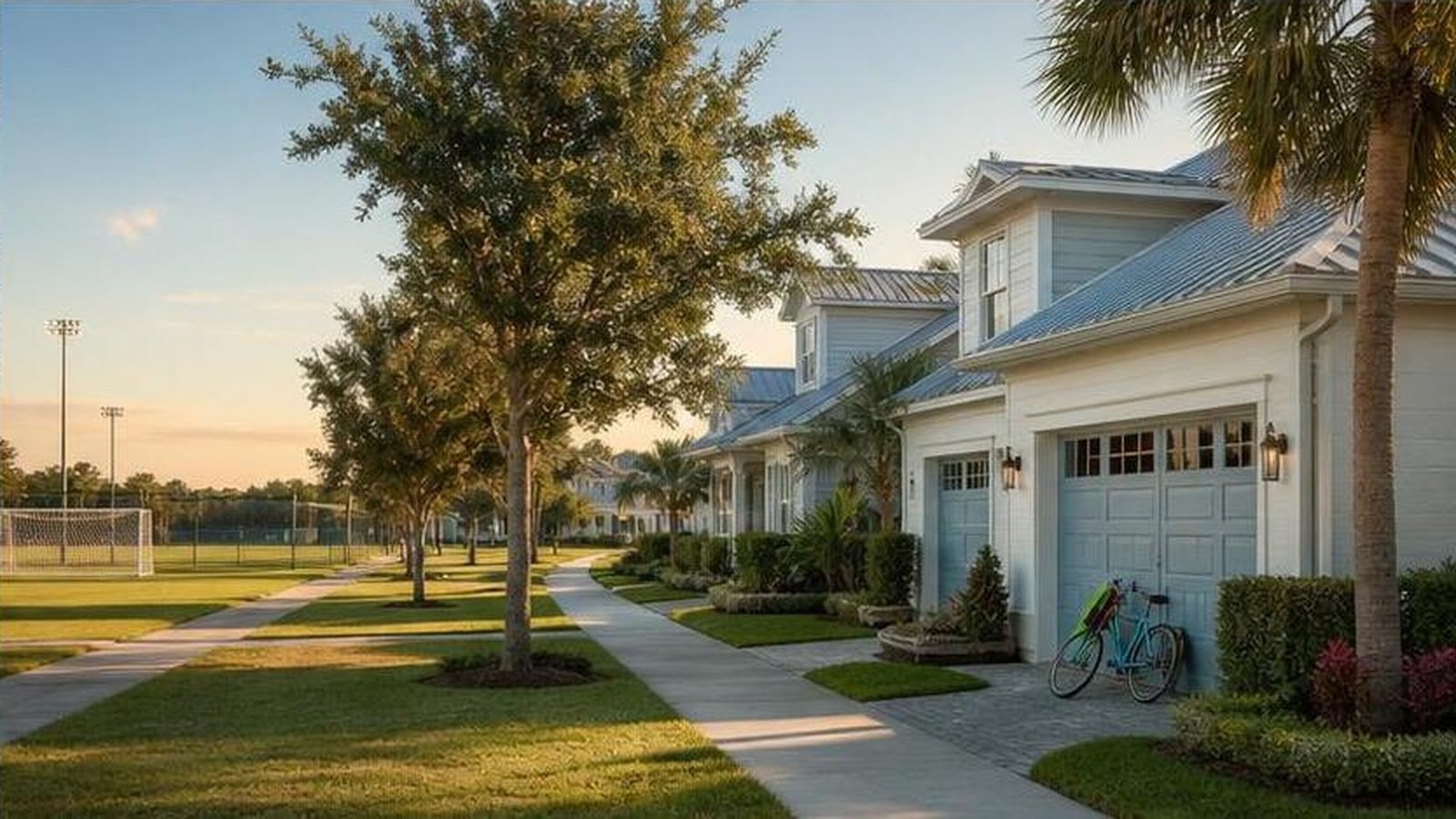
Best Brevard County Neighborhoods for Private School and Youth Sports Access in 2026
A local Brevard County buyer guide answering: Which Brevard County neighborhoods are best for buyers who want a short drive to both private school and youth sports in 2026?
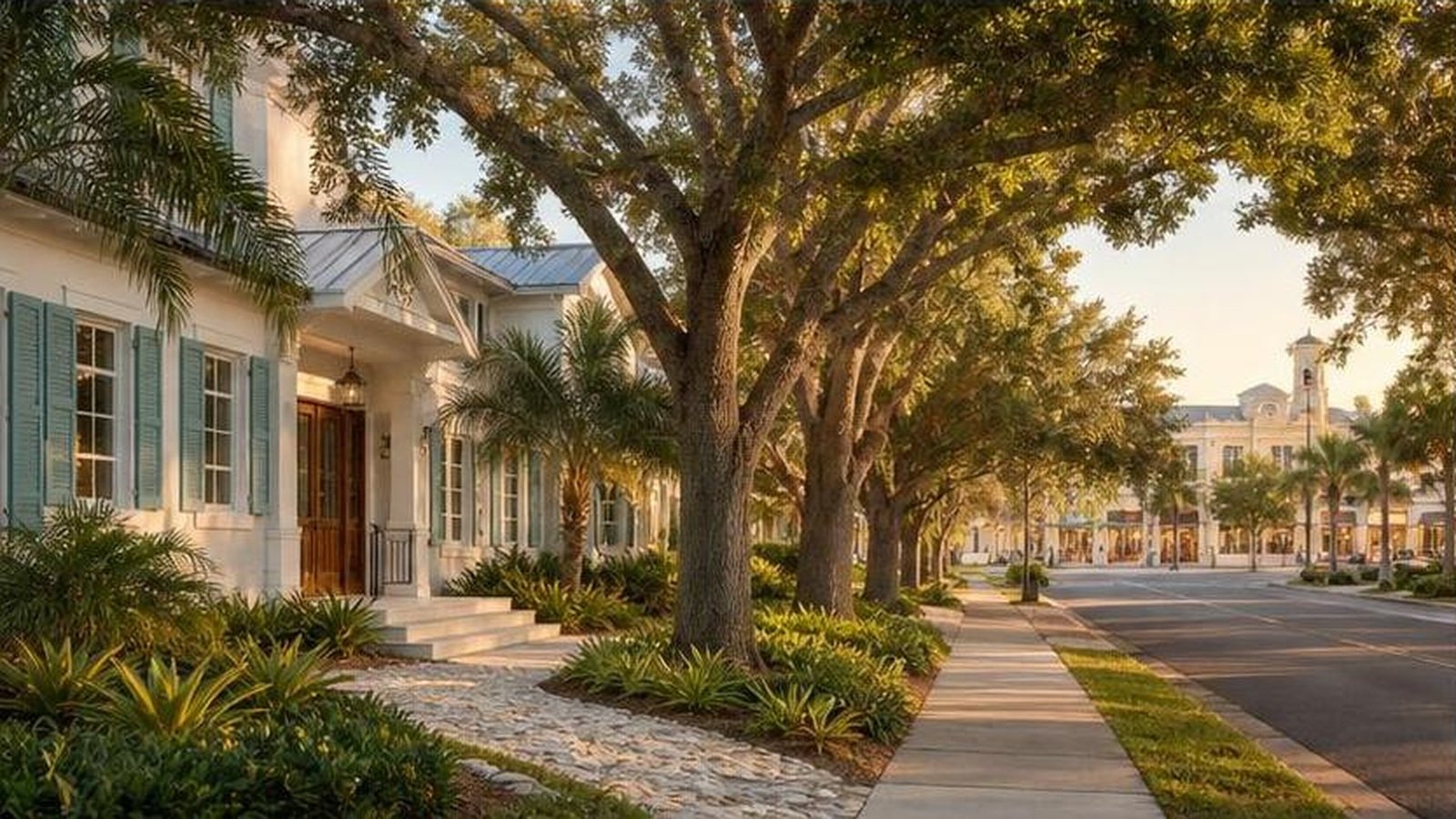
Best Brevard County Neighborhoods for Mature Trees, Character, and Shopping Access in 2026
A local Brevard County buyer guide answering: Which Brevard County neighborhoods are best for buyers who want mature trees, no cookie-cutter feel, and reasonable access to shopping in 2026?
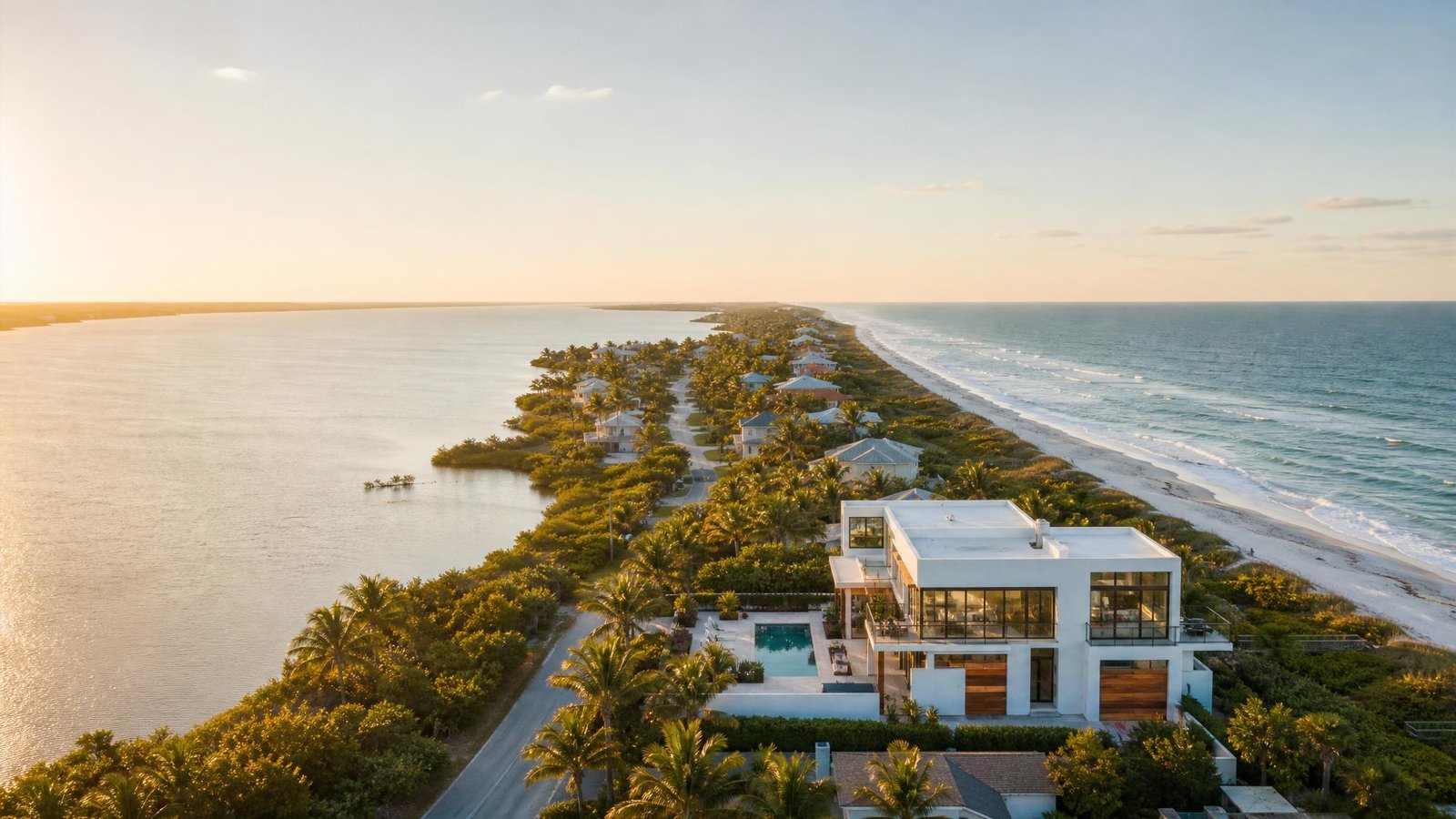
Brevard County Real Estate Market Report 2026: Space Coast Home Prices, Trends & City-by-City Breakdown
2026 Brevard County real estate market report with Space Coast home prices, inventory, days on market, city-by-city trends, buyer/seller takeaways, and relocation guidance from Carrie Liotta.
Patrick SFB BAH vs. Real Brevard County Rents in 2026: What Military Families Need to Know Before They Sign a Lease
If you are PCSing to Patrick Space Force Base and trying to figure out whether your BAH will cover rent in Brevard County — you are asking exactly the right question, and the answer depends on which city you choose and what size home your family needs. I work with military families relocating to the Space Coast regularly. The question I get most often before they arrive: “Is my BAH going to be enough?” Here is the honest breakdown, using real current rent data for every city near the base. How BAH Works at Patrick SFB Basic Allowance for Housing (BAH) is a monthly, tax-free payment designed to offset the cost of off-base housing. The Department of Defense sets BAH rates annually, by pay grade and dependent status, for each Military Housing Area (MHA). Patrick Space Force Base falls under the Brevard County MHA. BAH is designed to cover the cost of housing at the 95th percentile of local market rents for your pay grade — meaning it is calibrated to what the local rental market actually charges, not a flat national figure. For 2026, the DoD increased BAH rates by an average of 5.4% nationally to reflect rising housing costs across most markets. To look up your exact 2026 BAH rate by pay grade and dependent status, use the official DoD tool at travel.dod.mil — BAH Rate Lookup. Select Florida and the Patrick SFB MHA. What this guide gives you: the real rent numbers by city so you know what your BAH is up against before you commit to a lease. What Rents Actually Look Like in Brevard County Right Now Brevard County is not a single rental market. What you pay in Melbourne is not what you pay in Cocoa Beach, and Palm Bay tells a completely different story than Satellite Beach. Here is what the market looks like as of May 2026, by city. Melbourne Melbourne is the most practical landing spot for most military families PCSing to Patrick SFB. It is 10 to 15 minutes from the main gate, has a range of school options, and offers the best overall value per dollar of any city near the base. Median rent (all types): $1,822/month — down 8.7% from last year 1-bedroom apartment: ~$1,382/month 2-bedroom apartment: ~$1,607/month 3-bedroom rental: ~$2,200/month Single-family house: ~$2,295/month Melbourne’s rental market has softened meaningfully over the past year, which is good news for incoming service members. A family in a 2-bedroom will find Melbourne one of the most BAH-friendly cities in the county. Palm Bay Palm Bay is south of Melbourne, about 20 to 25 minutes from Patrick SFB. It is the largest city in Brevard County by population and generally offers more square footage per dollar than Melbourne proper. Median rent (all types): $1,985/month — essentially flat year over year 1-bedroom apartment: ~$1,250/month 2-bedroom apartment: ~$1,500/month 3-bedroom rental: ~$1,945/month Single-family house: ~$2,000/month Palm Bay offers the best value on a per-square-foot basis in the county. Families who need more space and want to keep housing costs well inside their BAH often end up here. The tradeoff is commute time and a more suburban feel with fewer walkable amenities. Cocoa Beach and the Barrier Island If the beach lifestyle is the reason you chose Patrick SFB, Cocoa Beach is on your shortlist. It is also the most expensive rental market in the county and the one most likely to exceed your BAH — especially if you need more than one bedroom. Median rent (all types): $2,800/month — up 12% from last year 1-bedroom apartment: ~$1,900/month 2-bedroom apartment: ~$2,600/month 3-bedroom rental: ~$4,000/month Cocoa Beach rents have risen sharply in 2026. A 3-bedroom here will cost most service members well over their BAH. Some families make it work by combining BAH with out-of-pocket contribution, or by renting in nearby Satellite Beach or Indian Harbour Beach where rents run slightly lower than Cocoa Beach proper. Satellite Beach, Indian Harbour Beach, Indialantic These barrier island communities sit between Cocoa Beach to the north and Melbourne Beach to the south. They tend to run slightly less than Cocoa Beach for rentals, and they offer excellent schools, walkable beach access, and strong neighborhood character. Rent for a 3-bedroom house on the island in these communities typically runs $2,800 to $3,500/month depending on location and condition. BAH vs. Rent: How to Think About the Gap The key question is not “does my BAH cover rent?” in the abstract — it is which city and which bedroom count puts you inside or outside your BAH. Here is how to think through it: E-4 or E-5 with dependents: Melbourne and Palm Bay are your best options. A 2-bedroom apartment in Melbourne ($1,607/month) or Palm Bay ($1,500/month) almost certainly fits inside your BAH, leaving potential monthly savings. A 3-bedroom house in either city is worth checking against your specific rate. E-6 or E-7 with dependents: Melbourne and Palm Bay remain strong fits. A 3-bedroom house in Palm Bay (~$2,000/month) or Melbourne (~$2,295/month) is worth running against your rate. Barrier island neighborhoods become possible with careful selection. O-3 or O-4 with dependents: Melbourne and Viera open up fully. Some Satellite Beach and Indian Harbour Beach rentals are within reach. Cocoa Beach 3-bedrooms are typically going to require an out-of-pocket contribution at these pay grades. O-5 and above with dependents: The full county opens up, including barrier island options and Viera. Cocoa Beach 3-bedrooms remain expensive but are within closer range at higher rates. The most important step: pull your exact rate from the official DoD BAH tool before you commit to a neighborhood. Rates are specific to your pay grade, dependent status, and the 2026 rate table — do not rely on what a colleague received at a different rank or in a prior year. Should You Rent or Buy Near Patrick SFB? This is the question I encourage military families to ask early — not because buying is always right, but because the Space Coast market in 2026 makes the math

Best 55+ Communities in Brevard County, Florida: Del Webb at Viera, Heritage Isle, and Indian River Colony Club Compared (2026)
If you are searching for a 55+ community on Florida’s Space Coast, Brevard County is one of the strongest markets in the state for active adult living. The combination of year-round sunshine, no Florida state income tax, proximity to world-class beaches, and a well-established master-planned corridor in Viera makes this one of the most practical and desirable destinations for buyers in the 55+ category. If you are comparing retirement or active-adult options, Carrie’s guide to living in Brevard County gives the wider Space Coast lifestyle context. If you are comparing 55+ communities as part of a larger move, start with Carrie’s Brevard County relocation guide for the broader Space Coast picture. Carrie can also help you compare active-adult options as part of a larger move as your Brevard County relocation Realtor. Three communities consistently rise to the top when buyers are comparing options here: Del Webb at Viera, Heritage Isle, and Indian River Colony Club. They are all gated, all 55+, and all located within a few miles of each other — but they are meaningfully different in price, lifestyle, and buyer profile. This is the comparison buyers ask me for before scheduling tours. Here is what you need to know. Why Brevard County for Active Adult Living? Brevard County sits on Florida’s Atlantic coast between Daytona Beach and the Palm Beaches, roughly equidistant from both Orlando and Melbourne International Airport. The county stretches 72 miles along the coast and includes communities ranging from oceanfront to inland master-planned. For 55+ buyers specifically, the appeal breaks down like this: No Florida state income tax. Retirement income, Social Security, and investment distributions are not taxed at the state level in Florida. Homestead exemption. Florida’s homestead exemption reduces assessed value for property tax purposes. The Save Our Homes cap limits annual assessment increases to 3% or the CPI change, whichever is lower, once you homestead. Proximity to healthcare. Viera Hospital, Parrish Medical Center, and Health First’s network of facilities are all within the Viera corridor. Beach access without beach traffic. Cocoa Beach and the Brevard barrier islands are 20 to 30 minutes east of Viera — close enough for weekend trips, far enough to avoid the seasonal congestion. If you are still deciding between Viera and other areas of the county, my full Guide to Viera, Florida walks through why Viera has become the preferred landing spot for relocating buyers at multiple price points. Del Webb at Viera: Brand-New Active Adult Living with a Resort Amenity Package Del Webb at Viera is the newest of the three communities and the only one still actively selling new construction as of 2026. It is built by Pulte Homes and located within Viera’s master-planned footprint, which has earned recognition as a top 10 master-planned community in the country. What it is Del Webb at Viera opened in 2023 and is currently selling through 2026. The community is built around a network of sparkling ponds, with the majority of homesites offering water views. The waterfront amenity center is the centerpiece of the community — a resort-style clubhouse with a pool, fitness center, pickleball courts, and a full calendar of social programming. Homes and pricing Homes at Del Webb at Viera range from approximately 1,405 to 2,808 square feet of living space in single-family configurations. As of early 2026, the average list price across active inventory is approximately $572,000, with a recent sales median of around $500,000. Homes are moving at a median of 29 days on market. HOA fees range from $319 to $384 per month depending on the home and village. A Community Development District (CDD) fee of approximately $1,135 per year is included in the property tax bill, covering infrastructure costs for the community. These numbers can shift as the community finishes buildout, so verify current figures before you write an offer. Who it is for Del Webb at Viera is the right fit for buyers who want a brand-new home with a builder warranty, modern finishes, smart-home features, and the active social programming that Del Webb communities are known for nationally. It is especially attractive to buyers who do not want to inherit anyone else’s deferred maintenance and want to customize finishes from the start. If new construction is on your list, my overview of Viera builders and what relocating buyers should know is a useful companion to this guide. Learn more at the official Del Webb at Viera site: delwebb.com Heritage Isle: The Established Marquee Address for 55+ Buyers in Viera Heritage Isle is the most established 55+ community in Viera and the one most buyers in this category discover first when researching the area. It sits on 478 acres within Brevard County’s master-planned Viera development and has been a premier active adult destination for well over a decade. What it is Heritage Isle is a gated, deed-restricted 55+ community with a 21,000 square-foot clubhouse at its center. Amenities include a resort-style pool and spa, tennis courts, pickleball courts, bocce ball, shuffleboard, horseshoe pits, and an outdoor pavilion. The community has a full social calendar — fitness classes, clubs, events, and organized outings — that many buyers cite as a primary reason for choosing Heritage Isle over newer alternatives. All Heritage Isle residents also belong to the Central Viera Association, which maintains the broader Viera community infrastructure including parks, trails, and common areas. Homes and pricing Heritage Isle is a resale community, meaning you are buying from existing owners rather than from a builder. Homes vary significantly in age, size, layout, and update level. The current resale median is approximately $400,000, with a price-per-square-foot of around $218. Over the past 60 days, 14 homes closed in Heritage Isle with an average of 42 days on market. HOA fees are approximately $392 per month. The CDD fee runs approximately $1,309 per year. As with any HOA community, review the financials, reserve study, and current assessment status before closing — a well-funded reserve is one of the most important things to check in any

Hurricane Season Homebuyer Checklist for Florida’s Space Coast: What to Know Before You Buy (and Before June 1)
Hurricane Season Homebuyer Checklist for Florida’s Space Coast: What to Know Before You Buy (and Before June 1) By Carrie Liotta, Space Coast REALTOR® | Published May 21, 2026 TL;DR: Hurricane season runs June 1 – November 30. If you’re buying a home on Florida’s Space Coast right now, there are six things you need to do before closing — and five things every current Brevard homeowner should check before June 1. This guide covers all of it, with specific local resources for Brevard County. June 1 is almost here — and if you’re buying or already own a home on Florida’s Space Coast, that date matters more than most people realize. I get asked all the time: “Carrie, is it risky to buy in Florida during hurricane season?” My honest answer: not if you know what you’re doing. Brevard County has come through major storms — Matthew, Irma, Ian — and the buyers who were prepared didn’t just survive hurricane season. They thrived. The ones who got caught off guard? They wish someone had handed them a checklist before closing. So here it is. Your complete hurricane season homebuyer checklist for the Space Coast. What Every Space Coast Homebuyer Needs to Do Before Closing ✅ 1. Understand the Flood Zone — Before You Make an Offer This is non-negotiable. Brevard County spans multiple FEMA flood zones — from Zone X (minimal risk, no flood insurance required) to Zone AE (high risk, flood insurance required by your lender). Where your specific property sits determines your insurance costs dramatically. Ask your agent (hi, that’s me) to pull the flood zone map for any property you’re considering. A home in Zone X on the barrier island might be two blocks from one in Zone AE — and the difference in annual flood insurance cost can be $1,500 to $4,000+ per year. Resource: Brevard County Property Appraiser flood data and FEMA’s Flood Map Service Center ✅ 2. Get a Wind Mitigation Inspection — It Could Save You Thousands This is the single most financially impactful thing a Brevard homeowner can do. A wind mitigation inspection assesses how well your home can withstand hurricane-force winds — roof shape, roof-to-wall connections, opening protection, and more. Under Florida law (Statute §627.0629), insurance companies must offer premium discounts for wind-resistant features — discounts that can reach up to 88% off the windstorm portion of your policy. On a Brevard home, that can mean $800 to $2,500+ per year in savings. Big news for 2026: The Florida Office of Insurance Regulation updated the official wind mitigation form (OIR-B1-1802) effective April 1, 2026. If your inspection is more than a few years old, it may need to be redone under the new form to lock in your discounts. Cost for an inspection: typically $75–$150. ROI: potentially thousands per year. Do it. ✅ 3. Check Your Evacuation Zone Brevard County uses an A–F evacuation zone system. Zone A is the highest risk (barrier islands, coastal areas), Zone F is the lowest. Before you buy, know your zone — and more importantly, know your evacuation route. Check your property’s zone at: Brevard County Emergency Management This doesn’t mean you shouldn’t buy in Zone A — Cocoa Beach and Satellite Beach are Zone A and they’re wonderful places to live. It means you need to plan ahead and have a go-bag ready. ✅ 4. Understand Impact Windows, Shutters, and Opening Protection One of the most common questions I hear from buyers relocating from out of state: “Does the house have hurricane shutters?” In Brevard, homes built after 2002 generally meet modern wind codes — they typically have at least panel shutters included. Homes built before 2002, especially pre-1994, may have single-pane windows with no shutter system at all. Impact-resistant windows (sometimes called “impact glass”) are the gold standard — no installation required during a storm, insurance discounts, and quieter daily life. Accordion shutters are the next best thing for convenience. Panel/plywood shutters work but require manual installation. When I’m showing homes, I always note the window/shutter situation. It affects both your insurance premium and your peace of mind. ✅ 5. Ask About the Roof — Age, Material, and Permits In Florida, a roof over 15–20 years old can make it nearly impossible to get homeowners insurance — or result in sky-high premiums. Insurance companies here have become increasingly strict about roof age since 2022. Before you make an offer, ask: – How old is the roof? – What material? (Metal roofs last 40–70 years and earn the best insurance discounts. Asphalt shingles are typically 15–25 years.) – Were permits pulled for the last replacement? (Unpermitted roof work is a nightmare at closing.) A brand-new roof on a Brevard home is actually a selling point and a negotiating tool — it’s worth real money in insurance savings. ✅ 6. Apply for My Safe Florida Home — Free Inspection + Up to $10,000 in Grants This one is underused and I can’t stress it enough. The My Safe Florida Home program offers: A free wind mitigation inspection for eligible homeowners Matching grants up to $10,000 for hurricane hardening improvements (impact windows, doors, roof upgrades) Eligibility: homesteaded single-family homes with an insured value under $700,000 If you’re buying a home and plan to make improvements anyway, apply to this program first. It’s real money left on the table if you don’t. Apply at: mysafefloridahome.com Brevard County Hurricane Season Basics — For New Residents If you’re relocating to the Space Coast, here’s what locals already know: Hurricane season: June 1 – November 30. Peak activity: August through October. Brevard’s track record: We’re on the Atlantic side, which gives us some protection compared to the Gulf Coast — but we’re not immune. Hurricane Matthew (2016) caused significant damage along the barrier island. Irma (2017) brought flooding and wind damage countywide. Evacuation orders: Brevard Emergency Management issues mandatory evacuation orders for Zone A (and sometimes B/C) when major storms threaten. Take them seriously. If you’re in Zone