

Compare the real monthly costs of owning a condo in Melbourne Beach, Cocoa Beach, and Satellite Beach in 2026, including HOA dues, taxes, insurance, reserves, and flood exposure.
Cocoa Beach real estate combines beach-town lifestyle, oceanfront and canal-front homes, condos, vacation property considerations, surfing culture, Port Canaveral access, and Space Coast relocation appeal. This hub collects Carrie Liotta’s local guidance on Cocoa Beach homes, condos, waterfront living, investment questions, insurance, schools, lifestyle tradeoffs, and what buyers and sellers should understand before making a move.

What It Actually Costs to Own a Cocoa Beach Condo in 2026: HOA, Insurance, Taxes, and Reserves
What It Actually Costs to Own a Cocoa Beach Condo in 2026: HOA, Insurance, Taxes, and Reserves By Carrie Liotta, Space Coast REALTOR® | June 5, 2026 When buyers ask me whether a Cocoa Beach condo is affordable, I always bring the conversation back to one thing: the monthly payment is not just the mortgage. In 2026, the real cost to own a Cocoa Beach condo includes HOA dues, association insurance, your own HO-6 policy, flood exposure, property taxes, reserve funding, and the possibility of special assessments. That does not mean Cocoa Beach condos are out of reach. It means the best buyers are the ones who understand the full number before they fall in love with the balcony view. I help people compare these costs every week, and the difference between a smart purchase and a stressful one is almost always due diligence. How Much Does It Cost Per Month to Own a Condo in Cocoa Beach? For many buyers, a realistic Cocoa Beach condo monthly budget in 2026 starts with the mortgage, then adds four major line items: HOA dues, insurance, property taxes, and reserves or assessment risk. When I checked current Cocoa Beach condo listings during this run, Redfin showed Cocoa Beach condos with a median listing price around $399,000, with HOA examples ranging from roughly $600 per month to more than $1,700 per month depending on the building, size, amenities, and location. Here is the way I would tell a buyer to think about it. A condo listed around $399,000 may have a principal-and-interest payment that looks workable on paper. But if the HOA is $800 to $1,200 per month, taxes reset after purchase, and insurance adds another few hundred dollars monthly, the true ownership cost can land far above the first mortgage quote. That is why I never want clients shopping only by list price. The better question is: what does this specific unit, in this specific building, cost to own after the association’s budget, insurance history, reserves, taxes, and assessments are included? Are Cocoa Beach Condo HOA Fees Expensive in 2026? Some are, and some are simply honest. Cocoa Beach HOA fees can feel high to buyers coming from single-family homes, but many associations are now carrying costs that used to be underfunded or deferred. Oceanfront buildings have elevators, roofs, concrete, balconies, fire systems, plumbing stacks, insurance, security, pools, lobbies, landscaping, and professional management. Those costs have to live somewhere. Florida’s post-Surfside condo reforms changed the math for many older buildings. The Florida Department of Business and Professional Regulation explains that certain condominium and cooperative buildings three or more habitable stories high must complete milestone inspections at 30 years and every 10 years after that, or at 25 years if local circumstances require the earlier initial inspection. You can review the state’s overview of Florida condominium milestone inspections directly through DBPR. Higher dues are not automatically a red flag. In 2026, underfunded dues may actually worry me more. If a 40-year-old oceanfront building still has unusually low monthly fees, I want to know whether the association has fully accounted for reserves, structural repairs, insurance increases, and future maintenance. What Is Included in a Cocoa Beach Condo HOA Fee? Every building is different, so you have to read the association budget instead of assuming. In Cocoa Beach, a condo HOA fee often includes some mix of exterior building insurance, common-area maintenance, roof and elevator reserves, pool maintenance, water, sewer, trash, cable or internet, landscaping, pest control, management fees, security, and amenities. The most important distinction is what the association covers versus what you still cover personally. A master insurance policy usually protects the building structure and common elements, but it does not mean your personal contents, interior finishes, liability, loss assessment exposure, or flood coverage are fully handled. I ask for the budget, declarations, current insurance summary, reserve schedule, meeting minutes, and any pending assessment notices before my clients treat the monthly HOA number as final. If you are comparing this post with the bigger investment question, I also recommend reading my breakdown of whether Cocoa Beach condos are still a good investment after SB 4-D. The same building documents that matter to investors matter to second-home and primary-residence buyers too. Do Cocoa Beach Condo Owners Need Separate Insurance? Yes. Condo owners usually need their own unit-owner policy, commonly called an HO-6 policy. The Florida CFO’s homeowners insurance toolkit identifies HO-6 as the condominium unit-owners form and also notes that condo associations may assess unit owners for certain damage or costs. I recommend reviewing the state’s Florida homeowners insurance toolkit if you want the official terminology. Your HO-6 policy may cover interior items like flooring, cabinets, built-ins, personal belongings, liability, and loss assessment coverage, depending on the policy. But Cocoa Beach adds another layer: flood and wind exposure. Most standard homeowners insurance does not cover flood damage, and FEMA explains that flood insurance is a separate policy. FloodSmart also notes that condo and townhouse owners in participating communities can buy flood insurance. This is where local guidance matters. Two units with similar list prices can have very different insurance realities based on elevation, flood zone, building condition, lender requirements, and what the master association policy already covers. For broader context, I wrote a separate guide to Brevard County homeowners insurance costs in 2026. How Do Property Taxes Work When Buying a Condo in Brevard County? One of the most common buyer mistakes is relying on the seller’s current tax bill. In Florida, assessed value may reset after a purchase, especially if the seller has owned the property for a long time or benefited from homestead protections. That means your future tax bill can be meaningfully different from what you see in the listing packet. The best local starting point is the Brevard County Property Appraiser tax estimator. It is not a final bill, but it helps buyers model a more realistic number before closing. I usually want clients to estimate taxes based on their
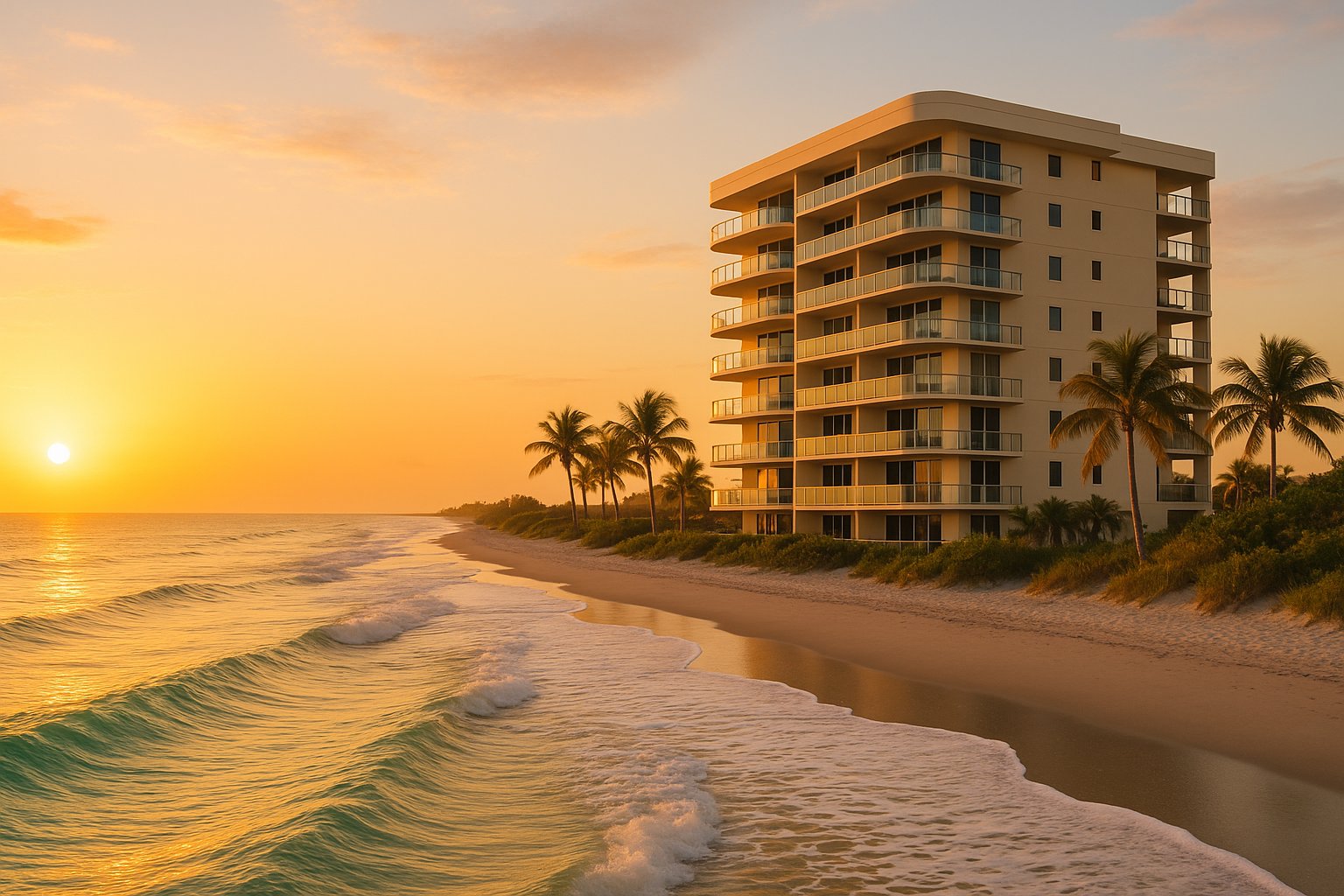
Are Cocoa Beach Condos Still a Good Investment After SB 4-D? The Numbers + Named Buildings to Know in 2026
Are Cocoa Beach Condos Still a Good Investment After SB 4-D? The Numbers + Named Buildings to Know in 2026 By Carrie Liotta, Space Coast REALTOR® | May 23, 2026 Quick Answer: Cocoa Beach condos can still be a solid investment in 2026, but you need to know the building before you buy. SB 4-D (Florida’s landmark 2022 condo safety law, updated by SB 154 and HB 913) has separated the market into two tiers: compliant buildings with clean financials — still generating strong rental income and appreciation — and older, under-reserved buildings carrying six-figure special assessment risk. The difference between a great deal and a financial trap often comes down to three documents. Here’s how to tell them apart. What Is SB 4-D and Why Does It Change the Math on Condo Investing? On May 26, 2022, Florida passed Senate Bill 4-D — the most sweeping condo safety overhaul in state history. It came directly out of the 2021 Champlain Towers South collapse in Surfside, which killed 98 people and exposed decades of deferred maintenance and underfunded reserves that HOA boards had been quietly voting to skip for years. Here’s what SB 4-D now requires for any residential condo or co-op building three stories or taller: Milestone Structural Inspections: Required at 25 years of age for coastal buildings (30 years inland), then every 10 years. A licensed Florida engineer must certify the building is structurally sound. Structural Integrity Reserve Study (SIRS): A professional assessment of every major structural component — roof, load-bearing walls, foundation, plumbing, electrical — with a dollar amount attached to each. Associations had until December 31, 2025 to complete their first SIRS. No More Reserve Waivers: Effective December 31, 2024, HOA boards can no longer vote to reduce or skip reserve contributions. Full funding is now mandatory. Disclosure Requirements: Under Florida Statute 718.504, sellers must provide milestone inspection reports, SIRS documentation, and any pending or completed special assessments to buyers — no exceptions. The law was updated in 2023 by SB 154 and refined again by HB 913 (effective July 1, 2025) and SB 328 (signed June 2025), which gave some associations administrative breathing room on timelines without relaxing the safety core. Fines for non-compliance run up to $5,000 per violation from the Florida DBPR, and board members face personal liability for willful non-compliance. Bottom line for investors: the days of buying any Cocoa Beach condo at a low price and hoping the HOA doesn’t surprise you are over. The financials are now required to be on the table before you close. The Two-Tier Cocoa Beach Condo Market in 2026 The market data tells a clear story. As of early 2026, there are roughly 300+ condo units for sale in Cocoa Beach and Cape Canaveral, priced between $59,000 and $1,490,000, with a median asking price around $347,000. But that wide range reflects two completely different investment profiles — not just unit size or location. Tier 1: New and Newly Compliant Buildings (Strong Buys) Buildings built since 2000 — or older buildings that have completed their SIRS, passed milestone inspections, and are fully funded on reserves — represent the investment-grade tier of this market. These are the condos where the known liabilities are accounted for, HOA fees have already adjusted to the new reserve requirements, and there are no hidden financial bombs waiting to go off. The Surf, the new luxury building in downtown Cocoa Beach, is the clearest example. Completed in 2025, it generated 21 closings in a single year and a penthouse sale that set the 2025 Cocoa Beach price record. New construction buyers here know exactly what they’re getting into — the SIRS is baked in from day one, and the HOA is structured around compliance from the start. Other well-maintained, professionally managed mid-rise buildings on or near the A1A beachfront — particularly those that completed voluntary SIRS early and have consistent HOA documentation — are also attracting serious investor attention, precisely because the uncertainty is priced out. Tier 2: Older Buildings With Deferred Maintenance Risk (Buyer Beware) This is where I’ve seen deals go sideways. Older oceanfront buildings — those built in the 1960s through 1980s — that spent years waiving or reducing reserve contributions are now staring down the cost of compliance all at once. The numbers can be shocking. Special assessments triggered by SIRS findings have ranged from $10,000 to over $100,000 per unit at some Florida buildings. Buyers who purchased before seeing the SIRS results at some of these buildings found themselves immediately on the hook for assessments they never anticipated. That’s why I always tell clients: the purchase price is only part of the equation. The SIRS is the other part. Buildings in this tier often show up in search results at eye-catching low prices — sometimes $100,000–$200,000 below comparable units in compliant buildings. That discount might look like a bargain. It often isn’t. It’s the market pricing in the known (and unknown) liability. “Carrie is a true professional and an absolute powerhouse — she got our house sold! From the start, her approach was impressive — the photography, video tour and social media outreach were outstanding, leading to multiple offers in a down market. She committed to frequent open houses to maximize exposure for our Cocoa, FL home. Crucially, she was an absolute rock when it came to managing the multiple hurdles with various offers. She kept us informed every step of the way, worked hard to resolve issues with buyers, and her patience with everyone involved was remarkable. We had a great experience and a successful closing thanks to her hard work!” — ⭐⭐⭐⭐⭐ Verified Google Review, Cocoa, FL The 3 Documents Every Cocoa Beach Condo Buyer Must Review Before Making an Offer Florida Statute 718.504 now requires sellers to provide these — but you should request them before you even submit an offer: 1. The Structural Integrity Reserve Study (SIRS) This tells you what the building’s structural components are worth, what their remaining useful life

What do Florida’s condo safety laws mean for buyers on the Space Coast?
Florida’s condo safety laws mean for buyers: Florida post-Surfside legislation — including SB 4-D, SB 154, HB 1021, and HB 913 — requires older condo buildings to complete a Structural Integrity Reserve Study (SIRS) and Milestone Inspection, and prohibits associations from waiving structural reserve contributions. For buyers in Cocoa Beach, Satellite Beach, and Indialantic, this means low HOA fees on older buildings are now a red flag, not a selling point. Before going under contract, request the SIRS, the milestone inspection report, the reserve fund status, and the last 12 months of HOA board meeting minutes. By Carrie Liotta | May 11, 2026 If you’re thinking about buying an oceanfront condo in Cocoa Beach, Satellite Beach, or Indialantic right now, there’s a conversation we need to have before you fall in love with a unit. The condo landscape in Florida has changed significantly. Laws are in place today that didn’t exist before 2022. They affect what you’ll pay to live there, how much reserves a building is legally required to hold, and whether certain buildings are even insurable the way they used to be. Oceanfront condos on the Space Coast aren’t off the table — but they require more due diligence than they did five years ago, and most buyers aren’t doing enough of it.https://www.youtube.com/embed/imTpfSUnrqc Florida’s condo safety laws mean for buyers: What the Post-Surfside Laws Actually Changed After the Champlain Towers collapse in Surfside in 2021, Florida passed some of the most significant condo safety legislation in the country. Senate Bill 4-D started it. SB 154 refined it. HB 1021 added governance oversight. The most recent update, HB 913, went into effect July 2025. What all of this means for you as a buyer: buildings that were quietly deferring maintenance for decades have been forced to come clean. Some of that is showing up as special assessments. Some of it is showing up as dramatically higher HOA fees. Florida’s new condo reserve requirements have fundamentally changed the financial picture for a lot of buildings — especially older ones on the coast. I’m not telling you to avoid condos. I’m telling you to go in with your eyes open, because the information is now available if you know how to ask for it. Here are the three things every oceanfront condo buyer on the Space Coast needs to know right now. 1. Ask for the SIRS and Milestone Inspection Report — Before You Tour This is the most important thing I can tell you. Before you tour, before you make an offer, ask for two documents: the Structural Integrity Reserve Study (SIRS) and the Milestone Inspection Report. Florida law now requires buildings that are three stories or higher and 30 years or older to have these completed. For buildings near the coast, the trigger age drops to 25 years. If a building that should have these documents doesn’t have them yet, that’s a red flag — not a negotiating chip. Here’s what each document tells you: Under Florida’s current condo laws, you’re entitled to review these documents as a prospective buyer. If a seller or HOA won’t produce them, watch Carrie explain why that’s your signal to walk at 4:29. I had a buyer looking at an oceanfront condo in Cocoa Beach — beautiful building, incredible views, price that seemed like real value. We pulled the financials. The reserve fund was well below what the new mandatory funding requirements were going to require. The building had also deferred major seawall work. The HOA fees were about to move significantly, so we walked. Two streets over, the buyer found a building that had gotten ahead of the new requirements, completed their milestone inspection, and had a fully funded reserve. She paid a bit more per unit. She has not had a surprise assessment. That’s the difference between doing the homework and skipping it. Thinking about relocating to the Space Coast and want answers from people who already made the move? Join my private Facebook group, Moving to Brevard County, Florida — locals, newcomers, aerospace folks, and military families all in one place asking real questions and getting real answers. Or schedule a call directly: calendly.com/carrieliotta. 2. Low HOA Fees on Older Buildings Are Now a Red Flag This one catches buyers off guard. Since January 2025, Florida condo associations cannot vote to waive or reduce their structural reserve contributions. Before Surfside, owners could vote to skip reserve funding to keep monthly fees artificially low. That option no longer exists for structural components. What this means for you: buildings with aging infrastructure and underfunded reserves are going to be brought up to the legally mandated level. That means HOA fees are going up — it’s not a matter of if, but when and by how much. If you’re looking at a building built in the late 1980s or early 1990s that still has a very low monthly HOA, ask one direct question before you go any further: Has this building completed its SIRS, and is it currently funding reserves at the required level? The answer tells you whether the number you’re looking at today is the number you’ll be paying a year from now. If the monthly costs are a deciding factor in your decision between a condo and a single-family home on the Space Coast, this question matters more than almost anything else. 3. Special Assessments Are Real — and the Minutes Will Warn You In South Florida, some buildings issued special assessments in the six figures per unit after milestone inspections revealed years of deferred maintenance. That’s not the norm on the Space Coast, but the same underlying conditions exist in some buildings here — and the legislation has forced those buildings to confront what they’ve been ignoring. The cost of deferred work doesn’t disappear. It gets passed to owners. When you’re doing your condo due diligence, request the HOA board meeting minutes from the last 12 months. Special assessments don’t appear out of nowhere — they get discussed before they get issued. If there are conversations in those minutes about upcoming major

The Home Improvements That Actually Pay Off in Cocoa Beach (And the Ones That Don’t)
Wondering which home improvements add real value before selling in Cocoa Beach? A top real estate agent in Cocoa Beach Florida breaks down what actually moves the needle — and what to skip entirely. Home Improvements That Actually Pay Off in Cocoa Beach: Most sellers in Cocoa Beach ask the wrong question. They come in asking, “How much should I spend to get my home ready?” when the real question is, “What does a buyer in this specific market actually need to see — and what are they already willing to overlook?” Those are fundamentally different questions, and the answer determines whether your pre-listing investment returns $3 for every $1 spent or disappears into upgrades no buyer will ever notice or reward. Cocoa Beach is not a generic suburban market. It is a coastal, salt-exposed, sun-bleached environment where buyers arrive with a completely different checklist than someone shopping in Orlando or Tampa. They are looking for specific things. They are nervous about specific things. And they are often willing — even eager — to overlook cosmetic issues when the structural and mechanical bones of the house are solid. Understanding that distinction is how you spend smart and sell fast. Home Improvements That Actually Pay Off in Cocoa Beach: Why Coastal Markets Have Their Own ROI Rules Before you reach for a renovation budget, you need to understand what drives buyer psychology in this coastal Florida market specifically. Buyers here are scared of the wrong things. Relocation buyers especially — people moving to Cocoa Beach from Ohio, New York, or the Midwest — have read about hurricanes, flooding, mold, and corrosion. Their fear is structural and mechanical. They are not lying awake worrying about your kitchen tile. They are worrying about your roof age, your HVAC condition, your seawall (if you have one), and whether the house is going to cost them a fortune in insurance and repairs after closing. The visual pass/fail threshold is lower here. A buyer shopping in a beachside community expects a certain level of wear. Salt air fades paint. Sun bleaches floors. The expectation is not “pristine suburban model home.” The expectation is “well-maintained, cared for, move-in sound.” What inspectors flag here is different. Florida home inspectors are hunting for moisture intrusion, deteriorating wood fascia, roof age, and evidence of deferred maintenance. They are also evaluating drainage, window seals, and corrosion on mechanical systems. If your home fails on those items, no amount of kitchen renovation will save your sale. Before diving deeper — if you are also weighing whether Cocoa Beach is the right place for a buyer you are trying to attract, Carrie’s YouTube video 5 Things You MUST Know Before Moving to Cocoa Beachcovers the full picture of what relocating buyers are researching — cost of living, flood zones, insurance, and the lifestyle realities that drive their decisions. This context is the foundation for every improvement decision you make. The Improvements That Generate the Strongest Returns in Cocoa Beach 1. Roof Condition — The Single Highest-Impact Item In Brevard County’s current insurance environment, the age and condition of your roof is not a cosmetic issue. It is a financial issue for your buyer. Many buyers cannot obtain homeowners insurance on a roof over 15–20 years old, and when they can, the premiums are severe enough to kill affordability. This dynamic is unique to Florida — and it directly affects your buyer pool. A roof replacement before listing — particularly replacing aging shingle with a wind-resistant architectural or metal system — can return far more than its cost in reduced buyer concession demands, faster time to close, and wider buyer pool eligibility. Buyers who know a roof is newer negotiate less aggressively. Buyers who know a roof has five years left negotiate hard or walk away entirely. If your roof is 12 years or older, get it inspected. If you are on the fence, price the cost of a replacement against the cost of a $30,000 price reduction and a 60-day negotiation. The math usually favors the roof. For current Florida roofing insurance standards and how roof age affects coverage, Florida’s Citizens Property Insurance Corporation publishes updated eligibility guidelines that are worth reviewing alongside your agent. 2. HVAC Service and Documentation Buyers in Florida pay close attention to HVAC age and condition because air conditioning is not a seasonal luxury in this climate — it is infrastructure. A system that fails in July costs the buyer $10,000 to $15,000 and puts them in a miserable position immediately after closing. You do not necessarily need to replace a functioning HVAC system. But you should have it professionally serviced, cleaned, and documented before listing. Fresh refrigerant, clean coils, a new filter, and a service receipt in the disclosure package communicates to buyers that this system has been maintained. That matters during inspection negotiations. It also gives your Cocoa Beach waterfront real estate agent a concrete, credible talking point when fielding buyer questions. If your system is 12–15 years or older, talk to a professional about repair versus replace. A newer system is a legitimate marketing asset in this market. 3. Exterior Paint and Pressure Washing This is the most cost-efficient pre-listing investment in Cocoa Beach. Salt air degrades exterior paint faster than almost any other environment. A house with faded, chalky, or peeling exterior paint signals to every buyer who drives by — or views photos online — that maintenance has been deferred. A fresh exterior paint job on a Cocoa Beach home typically costs $3,000 to $8,000 depending on size and substrate. In return, it increases perceived value significantly, improves listing photography, and removes one of the most common buyer objections before it can form. Pair it with a professional pressure wash of the driveway, walkways, and pool deck. These are not glamorous improvements. They are the improvements that make everything else look intentional. 4. Kitchen Updates — Strategic, Not Comprehensive Full kitchen renovations rarely pencil out in a pre-listing context. By the time you spend $40,000 remodeling a kitchen, you have

How Special Assessments Affect Your Sale Price in a Florida Condo — What Sellers and Buyers Both Need to Know | Carrie Liotta, Trusted Realtor
By Carrie Liotta | Best Viera Real Estate Agent | Cocoa Beach Waterfront Real Estate Agent | www.321coastalliving.com Special Assessments Affect Your Sale Price in a Florida: There is no faster way to watch a condo deal unravel in Florida than an undisclosed or poorly explained special assessment. And there is no faster way to lose a qualified buyer — even one who was fully committed — than having them discover a pending six-figure assessment three days before closing. This is a post-Surfside reality that has fundamentally changed how Florida condo sales work. If you’re selling a condo anywhere on the Space Coast — Cocoa Beach, Cape Canaveral, Melbourne, Merritt Island, or Viera — or if you’re a buyer looking at condo properties, understanding how special assessments work, what they signal, and how they interact with sale price is no longer optional. It is central to navigating this market. What Is a Special Assessment, Exactly? A special assessment is a charge levied by a condominium association against unit owners above and beyond regular monthly dues. It is used to fund unexpected or major capital expenditures that exceed what the association’s reserve fund can cover. Common triggers include roof replacement, elevator modernization, pool deck resurfacing, seawall or bulkhead repair (particularly relevant for waterfront condos in Brevard County), structural concrete restoration, and insurance premium shortfalls. A special assessment is not inherently a red flag — every well-managed association will fund major capital work at some point. The question is whether it’s funded through reserves built over time, or through emergency levies when something breaks. The distinction between a reserve-funded repair and an emergency special assessment tells you everything about how that association is managed. The Post-Surfside Landscape for Florida Condos Following the 2021 collapse of Champlain Towers South in Surfside, the Florida Legislature passed Senate Bill 4-D (2022) and Senate Bill 154 (2023), which introduced sweeping new requirements for condominium buildings three stories or taller. These include mandatory Milestone Structural Inspections at 25 years of age and every 10 years thereafter, mandatory Structural Integrity Reserve Studies, and the elimination of the longstanding ability of associations to vote to waive or reduce reserves for structural components. The Florida Department of Business and Professional Regulation (DBPR), which oversees condominium regulation statewide, publishes guidance on these requirements and maintains complaint and financial filing records for HOAs across Florida. Any buyer or seller of a Florida condo should be familiar with this resource. The practical consequence: condo associations across Florida that had underfunded reserves for years are now required to fund them properly — through increased monthly dues, special assessments, or both. This is reshaping condo values on the Space Coast as directly as anywhere in the state. How a Special Assessment Affects Your Sale Price as a Seller 1. Direct Value Reduction Buyers subtract the full expected assessment cost from what they’re willing to pay — sometimes dollar-for-dollar, sometimes with an additional discount for uncertainty or the inconvenience of a multi-year payment plan. If your association has announced a $40,000 per-unit assessment, expect buyer offers to reflect that amount, adjusted down from what they’d offer without it. 2. Lender Complications Fannie Mae’s Condo Project Eligibility guidelines and Freddie Mac’s equivalent requirements have both tightened substantially since Surfside. A building with a significant unresolved special assessment, critical deferred maintenance, or insufficient reserves may be ineligible for conventional financing — limiting your buyer pool to cash buyers and creating further downward pressure on price. FHA’s condominium approval requirements, which govern FHA-backed loans, carry similarly rigorous standards. Before listing a condo unit with a known pending assessment, understand whether your building is currently Fannie Mae-warrantable or whether it appears on a restricted list. This directly affects how many buyers can purchase your unit. 3. Disclosure Obligations Under Florida Law Under Florida Statute §718.116 and Florida’s general duty of disclosure, sellers must disclose known material facts. A pending special assessment is a material fact. The obligation extends to assessments that have been discussed at board meetings — not only those formally voted on. Board meeting minutes that reflect quotes being solicited for major structural work are arguably disclosable even before a formal assessment vote. Work with a Florida real estate attorney and your listing agent to ensure disclosures are complete. Over-disclosure carries minimal risk. Under-disclosure carries substantial legal exposure. Seller Options When an Assessment Is Active or Pending Option 1: Pay the Assessment Before Closing If the assessment is already due or payable, paying it in full before listing allows you to market the unit assessment-free. Buyers pay full market value, disclosure is clean, and the transaction is straightforward. This works well when the assessment amount is manageable relative to the improvement in achievable sale price. Option 2: Credit the Buyer at Closing If the assessment is pending — announced but not yet collected in full — you can offer the buyer a closing credit equal to your remaining obligation. This keeps the transaction moving and fairly allocates the cost without requiring you to fund it out-of-pocket before closing. Option 3: Transparent Pricing In some cases, particularly with significant or uncertain assessments, the cleanest approach is transparent pricing: list at a price that reflects the assessment, market accordingly, and attract buyers who have done their homework. Attempting to obscure or minimize an assessment almost always backfires — buyers, lenders, and experienced agents are sophisticated enough to find it in the condo documents. “I’d rather slow this deal down than let you walk into surprises. And I’d rather you understand the full picture before we list than find out at the closing table.” — Carrie Liotta What Buyers Should Verify Before Purchasing Any Florida Condo If you’re on the buying side — particularly an out-of-state buyer looking at Cocoa Beach oceanfront condos or Merritt Island waterfront communities — here is the due diligence checklist. Reserve study. Request the most recent reserve study. Florida now requires a Structural Integrity Reserve Study (SIRS)for qualifying buildings. How funded is the reserve? Fully funded means the association has been saving proportionally. Below 50% funded

The Honest Relocation Guide to Space Coast Living: What Out-of-State Buyers Get Wrong About Merritt Island, Viera, and Cocoa Beach | Carrie Liotta Trusted Realtor
Published by Carrie Liotta, Buyer and Military Relocation Expert | Space Coast Real Estate | www.321coastalliving.com The Honest Relocation Guide to Space Coast Living:Every month I have conversations with buyers who have spent weeks — sometimes months — researching a move to Florida’s Space Coast from out of state. They’ve watched YouTube videos, scrolled Zillow for hours, joined Facebook groups, and read every relocation article they could find. And they arrive at the conversation still unsure whether they should be looking at Merritt Island waterfront real estate, a Viera community, Cocoa Beach, or Satellite Beach. The confusion is not from lack of information. It’s from too much of the wrong kind. Most relocation content about Brevard County describes the area in terms of general lifestyle appeal without giving buyers the specific framework they need to match a community to their actual life. What follows is that framework — not a promotional overview, but a practical guide built on patterns from hundreds of buyers who made this move. My first question to every relocation buyer is always the same: What is your lifestyle like? What do you want to be around? Because everywhere here on the Space Coast can feel very different, and that difference matters more than the price tag or the school rating. The Four Communities That Actually Compete for Out-of-State Buyers Merritt Island: For Buyers Who Lead With the Water Merritt Island waterfront living is the specific, identifiable version of Florida living that drives most out-of-state buyers to contact me. The Indian River Lagoon and Banana River access, the proximity to Kennedy Space Center, the sense of living inside something real and natural — these are features that cannot be replicated in a landlocked community at any price. Real estate Merritt Island FL waterfront encompasses everything from older canal homes to newer construction on deepwater lots to lagoon-front properties with unobstructed views toward the launch pads. The technical complexity of these purchases — canal depth, bridge clearances, seawall condition, flood zone classification — is real. Buyers can begin their independent research at NOAA’s nautical chart viewer for channel data and at the FEMA Flood Map Service Center for flood zone classification, but canal-specific depth and access conditions require local expertise to verify. Viera: For Buyers Who Lead With Infrastructure Viera is the choice that makes sense when your household’s needs are best served by a master-planned community with consistently high school quality, newer construction, and efficient Orlando commute access. As a Viera Florida real estate agent with deep familiarity across all of its major communities, what I tell buyers is this: Viera rewards buyers who prioritize predictability. It’s not the right choice for buyers whose identity is tied to the waterfront. For the family that wants great schools, a low-maintenance home, and a life that doesn’t require navigating waterfront ownership complexities, Viera is frequently the best decision in Brevard County. Cocoa Beach: For Buyers Where Beach Proximity Is Non-Negotiable Cocoa Beach has a distinct character — it’s a beach town, not a suburb, and that shows in how it feels to live there. The oceanfront condo market, the canal communities behind the barrier island, the proximity to the Cape — Cocoa Beach serves buyers for whom daily beach access is non-negotiable. As a Cocoa Beach waterfront real estate agent, the conversations I have here primarily focus on condo due diligence: reserve fund adequacy, concrete restoration timelines in older buildings, rental income potential, and hurricane zone positioning. Satellite Beach: Often the Right Answer for Military Families Patrick Space Force Base sits at the southern end of the developed barrier island, and Satellite Beach sits immediately to its south. For active-duty families where daily commute to the base is the primary logistical constraint, Satellite Beach eliminates the commute variable entirely. Military families expecting to focus on Merritt Island or Viera often end up here after we work through the commute math together — it’s consistently underrepresented in generic relocation content. The Relocation Buyer’s Most Common Mistakes — and How to Avoid Them Mistake 1: Pricing the House Without Pricing the Life Out-of-state buyers consistently underestimate the total cost of waterfront ownership. A canal home listed at $750,000 may carry $600 to $900 per month in combined flood, wind, and homeowners insurance premiums. Buyers should look up any property’s flood zone designation at msc.fema.gov and request a preliminary insurance quote before any offer. That number has to be in the monthly payment calculation from the beginning. “Carrie Liotta is the #1 Realtor Merritt Island FL! As a true Merritt Island real estate expert, she helped me find the perfect waterfront property and made the process stress-free. If you’re looking for houses for sale in Merritt Island, Florida, Carrie is the best realtor for waterfront homes Merritt Island, Florida.” — Verified Client, Merritt Island Waterfront Buyer Mistake 2: Choosing a Community for the Dream, Not the Commute This is the mistake I see most often with aerospace and defense industry relocation buyers. They fall in love with a specific waterfront neighborhood before they’ve stress-tested the commute. The honest question isn’t ‘How long is the drive to work?’ — it’s ‘How long is the drive at 7:30am on a Tuesday when there’s a launch window open and bridge traffic is backed up?’ That number is different from the Sunday afternoon Google Maps estimate. Mistake 3: Skipping the Technical Due Diligence on Waterfront Properties A home inspection doesn’t tell you whether the canal is navigable for your boat. A title search doesn’t flag a canal mouth culvert with 54 inches of clearance. The additional waterfront due diligence layer — marine survey, seawall inspection, insurance pre-analysis, canal depth sounding, bridge clearance verification, and FWC manatee zone review — is not standard in residential transactions. It is standard in mine, because the cost of skipping it is borne by the buyer after closing. “Great Experience at Blue Marlin. I lived a few states away and Carrie was very easy to work with and made it possible to make an offer on a house quickly.
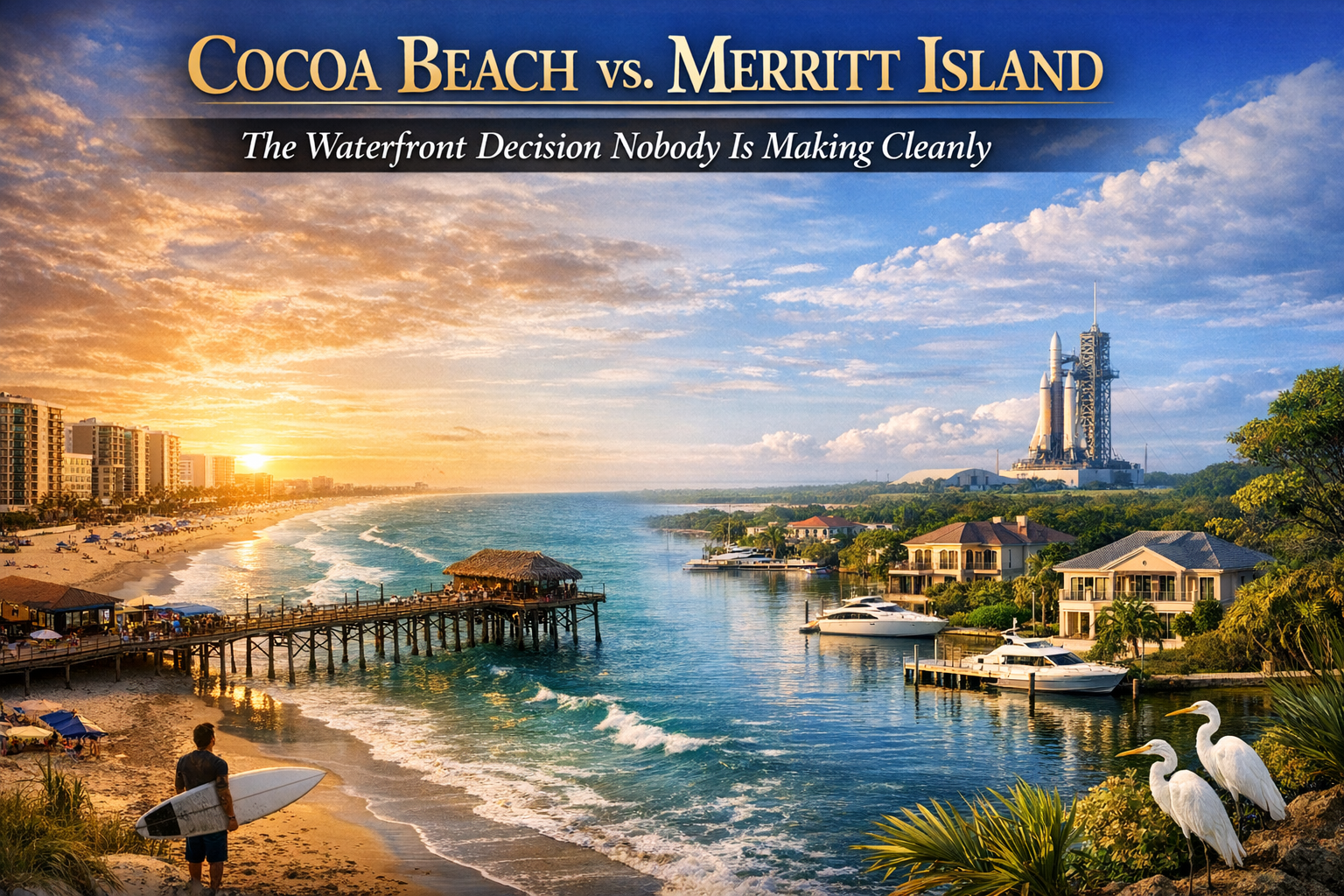
Cocoa Beach vs. Merritt Island: The Waterfront Decision Nobody Is Making Cleanly
By Carrie Liotta | Top-Rated Space Coast Waterfront REALTOR® | www.321coastalliving.com The Waterfront Decision Nobody Is Making Cleanly: The Question You’re Really Asking — Even If You Haven’t Said It Out Loud You have done the preliminary research. You know Cocoa Beach sits on the barrier island, that Merritt Island is just across the Banana River, and that both markets have canal homes with docks. You know you want waterfront. What you probably do not know yet is which of these markets actually fits your specific life — and why that answer matters more than most buyers expect. This is a decision I walk buyers through regularly. They arrive thinking it is a geography question. They leave realizing it is a lifestyle, logistics, and financial question — and those three things do not always point to the same answer. I’m Carrie Liotta, a top-rated Merritt Island waterfront real estate agent and a top 5% Brevard County REALTOR® who specializes in waterfront and canal properties across the entire Space Coast. What follows is not a promotional comparison. It is a practical framework I use with buyers who are genuinely undecided — based on what actually drives long-term satisfaction with a waterfront purchase on this coast. “Working with Carrie Liotta was the best decision I could have made! As a Merritt Island Realtor, she guided me through every step and found me the perfect home. She is a Merritt Island real estate expert and the best realtor for waterfront homes in Merritt Island, Florida.” — Verified Client — Merritt Island Waterfront Buyer What the Real Difference Is The Banana River separates these two communities by water, but in terms of lifestyle and real estate dynamics, the gap is much wider than the channel. Cocoa Beach sits on a barrier island — approximately six miles of beach, a dense grid of canal streets, and a walkable downtown with restaurants, surf shops, and the kind of community energy that comes from living somewhere people actively choose for lifestyle reasons. The ocean is never far. The vibe is active and social. Merritt Island is larger, quieter, and more suburban in character. It has extensive waterfront access along the Indian River and Banana River, larger lots at generally lower price points, and a population that skews toward families and aerospace professionals. Merritt Island waterfront living offers space, privacy, and in many areas, more navigable waterways — in exchange for driving to the beach rather than biking to it. Neither is better. One will fit your life significantly better than the other, and that is the conversation worth having before you write an offer. “Carrie Liotta is the #1 Realtor Merritt Island FL! As a true Merritt Island real estate expert, she helped me find the perfect waterfront property and made the process stress-free.” — Verified Client — Merritt Island Buyer Side-by-Side: Canal and Waterfront Living on Each Side of the River Feature Cocoa Beach / Barrier Island Merritt Island Canal Access Banana River and ocean-access canals; shorter routes to open water Indian River and Banana River; broader waterways, fewer bridge restrictions Price Entry $525K–$800K+ for canal SFH in good condition $450K–$650K+ for canal SFH with comparable features Bridge Clearance Varies; some canals have 7–9 ft fixed bridges limiting boat size Generally more open; fewer fixed-bridge restrictions for larger vessels Beach Access Walk or bike; ocean is 5–10 minutes from most canal streets 15–20 minute drive to the beach Flood Zone Mostly AE zones; higher insurance premiums in many areas Mix of AE and X zones; insurance varies significantly by street HOA Presence Lower HOA prevalence for SFH; condo communities common More deed-restricted neighborhoods; broader HOA landscape Commute (KSC) Slightly longer; SR-528 via causeway adds time in peak traffic Direct SR-528 access; shorter runs to KSC and KARS Lifestyle Character Active, walkable, coastal energy; higher tourist presence Quieter, more spacious; family-oriented and aerospace professional demographic A few notes on this table: price points reflect single-family canal homes in reasonable condition with dock potential. Condos on both sides operate in a different market segment entirely. Bridge clearance deserves more nuance than a table column allows — see the boating section below. The Boating Question: Where Most Buyers Get It Wrong If you are buying a waterfront home primarily to keep a boat behind the house and get on the water easily, there are facts that do not appear in any MLS listing. On the Cocoa Beach side, canal depths and bridge clearances vary significantly by street. Some canals in Cocoa Isles and surrounding neighborhoods connect to the Banana River with manageable bridge heights for most center-consoles and flats boats. Others have fixed bridges in the 7 to 9-foot range that make them unusable for anything with a tower or taller profile. On Merritt Island, real estate waterfront options tend to sit on more open water. The Indian River and Banana River offer broad access with fewer bridge restrictions. For buyers with larger vessels — 28 to 40-plus foot sportfishers or cruisers — Merritt Island waterfront often provides a more practical boating life, even at the cost of driving to the beach. The question is not ‘do I want waterfront.’ It is ‘do I want to be able to use the water the way I actually plan to use it?’ That is a very different question. I always ask buyers what they are putting in the water before we start looking at properties. A serious flats boat has completely different requirements from a pontoon or a 35-foot sailboat. Getting this wrong results in owning a beautiful canal home where your boat lives on a trailer at a marina two miles away. Commute and Proximity: The Variable That Changes Everything for Aerospace and Military Buyers A significant share of Space Coast waterfront buyers are tied to Kennedy Space Center, SpaceX, Boeing, Lockheed Martin, or are military families relocating to Patrick Space Force Base. For Patrick SFB families, South Cocoa Beach and Satellite Beach tend to offer the most practical commute geometry. For KSC and KARS-area aerospace workers, Merritt

The Cocoa Beach Waterfront Market in 2026: What the Data Actually Tells You
By Carrie Liotta | Top-Rated Space Coast Waterfront REALTOR® | www.321coastalliving.com Cocoa Beach Waterfront Market in 2026: The Question Every Serious Buyer Is Asking — And Getting the Wrong Answer If you have typed “how competitive is the Cocoa Beach waterfront market” into a search bar recently, you have probably received a paragraph of confident generalities. Inventory is tight. Waterfront holds its value. It is a seller’s market. Act fast. Some of that is true. Some of it is six months out of date. None of it helps you make a real decision about a $600,000 or $800,000 purchase on the Space Coast. What serious buyers actually need is not a summary — it is a breakdown of which segment of the market they are shopping in, because in early 2026, the Cocoa Beach real estate landscape is not one market. Depending on whether you are buying a single-family canal home, a riverfront condo, or a property that sits somewhere in between, you are dealing with fundamentally different dynamics. I’m Carrie Liotta, one of the top-rated waterfront specialists on Florida’s Space Coast and a top 5% Brevard County REALTOR®. I work with buyers who are done with generic advice and want technical clarity before they commit serious money. If that is you, read on. “Carrie Liotta made buying my waterfront home in Cocoa Beach an incredible experience! She’s truly a Cocoa Beach waterfront property expert and knows the local market inside and out.” — Verified Client — Cocoa Beach Waterfront Buyer Single-Family Waterfront: A Seller’s Market in Plain Sight Let’s start with the segment moving fastest: single-family homes on the water. As of late 2025 and into early 2026, single-family homes in Cocoa Beach — including canal-front properties — have entered a genuine seller’s market. Median prices climbed roughly 21% year-over-year, reaching approximately $815,000. The pace of sales shifted dramatically: homes that were sitting for over 100 days in 2024 are now going pending in as few as 24 days when they are priced correctly and presented well. Why? Inventory. There are roughly 52 single-family homes available at any given time across Cocoa Beach. That represents about six months of supply — right on the boundary between balanced and seller-favoring. Within that number, truly move-in ready canal homes with solid seawalls, dock infrastructure, and ocean access are a much smaller subset. When one hits the MLS in good condition, it moves. True waterfront remains limited, and buyers prioritize lifestyle access. Properties with docks, well-maintained seawalls, and ocean-access canals continue to hold strong value regardless of broader market noise. What this means practically: if you have been waiting for prices to soften on Cocoa Beach single-family canal homes, you have been waiting for a segment that is not softening. These properties are behaving very differently from the condo market. Are There Waterfront Homes Under $600,000? Yes — With Context This is among the most searched questions I receive from out-of-state buyers. The answer is yes, but the word ‘waterfront’ is doing a lot of work in that sentence. At the sub-$600,000 price point in Cocoa Beach, waterfront single-family homes exist. They typically come with trade-offs: an older seawall requiring inspection and potentially $80,000–$120,000 in replacement costs, a canal without true ocean access, a smaller footprint, or flood insurance premiums that change the monthly cost picture significantly. None of this means these homes are bad buys. It means they require a buyer who understands what they are purchasing and has done the math on total carrying costs before making an offer. The median listing price for waterfront homes across Cocoa Beach hovered between $476,000 and $499,000 in late 2024 and early 2025 — but that figure includes condos, which are in a very different market. For single-family canal homes specifically, expect to start at $525,000 and up for anything in reasonable condition with an actual dock. Just so you know, I want you to be prepared: a home listed at $535,000 on a Cocoa Beach canal could be a genuine opportunity or a deferred-maintenance situation that costs you $75,000 in the first two years. The difference between those outcomes is the quality of due diligence — and your agent’s fluency with what is actually beneath these properties. “Carrie sold our Cocoa Beach oceanfront condo for $45,000 over asking price in just two weeks. Her deep expertise in Brevard County waterfront properties and what buyers are searching for made all the difference.” — Verified Client — Cocoa Beach Condo Seller How Long Do Canal Homes Sit on the Market? Here is where the data gets interesting — and where many buyers are forming the wrong picture from aggregate statistics. Broad market figures show Cocoa Beach homes averaging 86 to 108 days on market depending on source and time period. Redfin data from November 2025 showed an average closer to 86 days for all closed sales, down dramatically from 141 days the prior year. December 2025 single-family data showed homes going pending in as few as 24 days for the highest-demand segment. The longer averages you see on national sites reflect the condo market pulling figures upward. Condo inventory jumped roughly 29% from January through mid-2025. Those units are taking 100-plus days on average. Canal-access single-family homes in good condition in neighborhoods like Cocoa Isles are not sitting for 108 days. They may not even sit for 30. A canal home that has been listed for 90 days is not necessarily a market problem. It may indicate pricing above its condition, a seawall issue, or HOA financial complications. Understanding which situation you are looking at before spending time and inspection money is exactly what a waterfront specialist is for. What Buyers Search vs. What They Actually Need to Know One of the most consistent gaps I see between online research and real-world decision-making: What Buyers Search Online What They Actually Need to Know “Waterfront homes Cocoa Beach under $600k” “Is this price realistic for move-in condition with a real dock and ocean access?” “Canal home with dock Cocoa

Before You Buy Waterfront in Cocoa Beach or Merritt Island: The Financial and Lifestyle Framework That Changes Everything
Published by Carrie Liotta | Merritt Island Waterfront Living Real Estate Agent | www.321coastalliving.com Waterfront in Cocoa Beach or Merritt Island: The Gap Between the Instagram Version and the Real Version There’s a version of Space Coast waterfront living that gets shared on social media. The sunrise over the Indian River. The boat in the backyard. The rocket launch visible from the dock. All of that is real, and I genuinely love showing it to clients who move here from the Midwest or the Northeast and experience it for the first time. But the clients who are happiest six months after closing are the ones who also understood the full picture before they committed. The ones who knew what their seawall would eventually cost. Who knew that their boat couldn’t clear the fixed bridge to get to open water. Who understood that the condo building they loved had a rental restriction that made their investment plan unworkable. This is the framework I use with every buyer who calls me from out of state asking about real estate on Merritt Island, waterfront homes in Cocoa Beach, or investment property in Brevard County. It starts with two questions most agents never ask. What is your lifestyle like, and what do you actually want to be around? Because everywhere here on the Space Coast can feel very different. Part One: Understanding the True Cost of Waterfront Ownership Seawalls: The Six-Figure Variable Nobody Mentions at the Listing Merritt Island waterfront properties built in the 1960s and 1970s have seawalls that are now reaching the end of their practical lifespan. First-generation seawalls — the ones you’ll encounter on older canal-front homes — are typically concrete or wood, and many are showing their age in ways that aren’t always obvious to an untrained eye. Replacing a seawall in Brevard County runs $800 to $1,200 per linear foot. A typical residential seawall might run 80 to 120 feet. That’s $64,000 to $144,000, often more once permitting and marine contractor fees are included. If you’re buying a waterfront home with a seawall that was installed before 1990, I want you to know that number before you fall in love with the listing — not after the inspection. Second-generation seawalls (roughly 2000–2010 construction) typically have 10–20 years of useful life remaining. New seawalls are worry-free for decades. I can look at a seawall during a showing and give you a reasonable read on where it falls — this is part of what it means to be a genuine waterfront expert on Merritt Island, not just an agent who sells homes near water. Flood Insurance: The Number That Moves the Monthly Payment More Than the Interest Rate A buyer can comparison-shop their mortgage rate and save a fraction of a percent. That same buyer can fail to check the flood zone designation on a Cocoa Beach or Merritt Island property and find themselves paying $6,000 to $10,000 per year in flood insurance — a cost that dwarfs any rate savings. Flood insurance in Florida is no longer the simple, predictable cost it used to be. FEMA’s Risk Rating 2.0 methodology, implemented in 2021, calculates premiums based on a property’s specific risk characteristics rather than just its flood zone designation. Properties in the same neighborhood can have dramatically different premiums depending on elevation, foundation type, and proximity to water. What this means practically: an elevation certificate is worth getting before you make an offer on any waterfront property. If the current owner has one, request it. If they don’t, budget the $350–$600 to get one as part of your due diligence. The premium difference between an accurate elevation certificate and a default-rated policy can be thousands of dollars per year. I’ve written extensively about how flood insurance works for Space Coast buyers at www.321coastalliving.com. It’s one of the most-read resources I’ve created because it’s one of the questions I get asked most. HOA Reality on Cocoa Beach Waterfront Condos Cocoa Beach’s oceanfront and waterfront condo inventory includes buildings with HOA fees ranging from $400/month to well over $1,500/month. In the wake of the Surfside collapse and subsequent Florida legislation, condo buildings have been required to fund reserve accounts at significantly higher levels. For buyers shopping oceanfront condos in the $400K–$600K range, a building with $800/month in HOA fees is a $9,600/year line item that changes the effective cost of ownership — and the cash flow math for any investor. I review HOA financials, meeting minutes, and reserve study reports as part of my due diligence process with every condo buyer. A special assessment for a failing roof or a structural repair on a Cocoa Beach condo building can be $20,000 to $50,000 per unit. Knowing whether a building is financially healthy before you close is not optional — it’s essential. Part Two: Matching the Property to the Life You Actually Want to Live The Boating Reality: Not Every Waterfront Home Gets You to Open Water This is the single most common misconception I encounter with out-of-state buyers. They assume that any home with a dock and a canal address means unobstructed access to the Atlantic or the Indian River Lagoon. On Merritt Island and in Cocoa Beach, that is often not the case. The Banana River, Indian River Lagoon, and connecting canals are crossed by a series of fixed and swing bridges with varying clearance heights. A 65-foot sailboat mast cannot pass under a bridge with 45-foot clearance. A center console with a T-top may be limited to certain waterways. Understanding which bridges affect which neighborhoods — and what clearances they provide — is something I cover in detail for every boating buyer. Swing bridges provide higher clearance when open but operate on schedules. A boater who needs to pass the bridge at 7am on a weekday needs to know whether that bridge accommodates them. I map this out with buyers using the actual waterways before we ever write an offer. My video series on Space Coast bridge heights and boating