

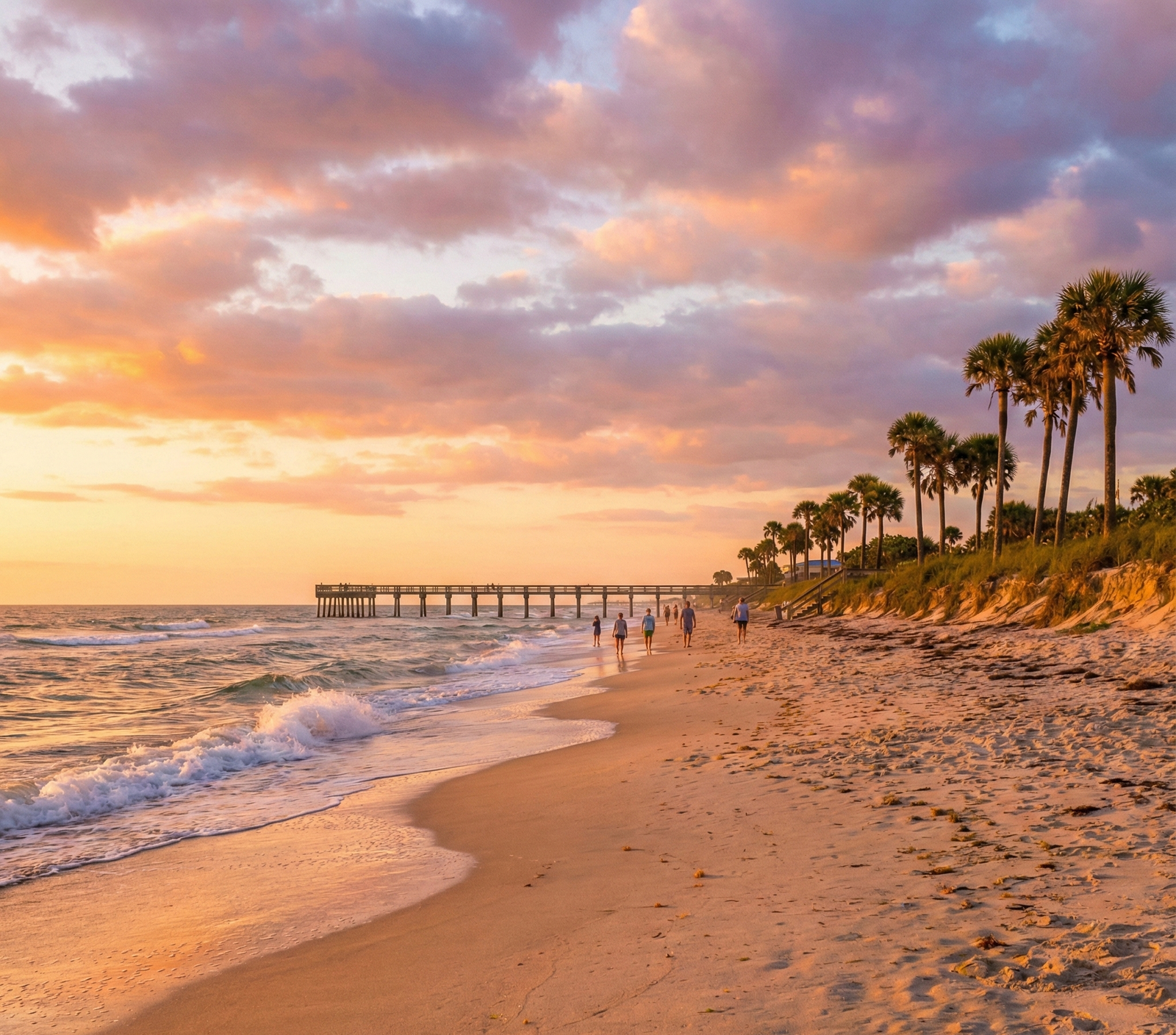
Compare Melbourne Beach and Satellite Beach for Brevard County buyers, including lifestyle, commute, beach and river access, schools, prices, insurance, flood risk, and buyer fit.
Space Coast real estate is shaped by beaches, boating, rocket launches, aerospace jobs, military relocation, waterfront living, and Brevard County’s city-by-city lifestyle differences. This hub collects Carrie Liotta’s local guidance on moving to Florida’s Space Coast, comparing communities, understanding market trends, choosing the right area, and planning a smarter buyer or seller strategy.
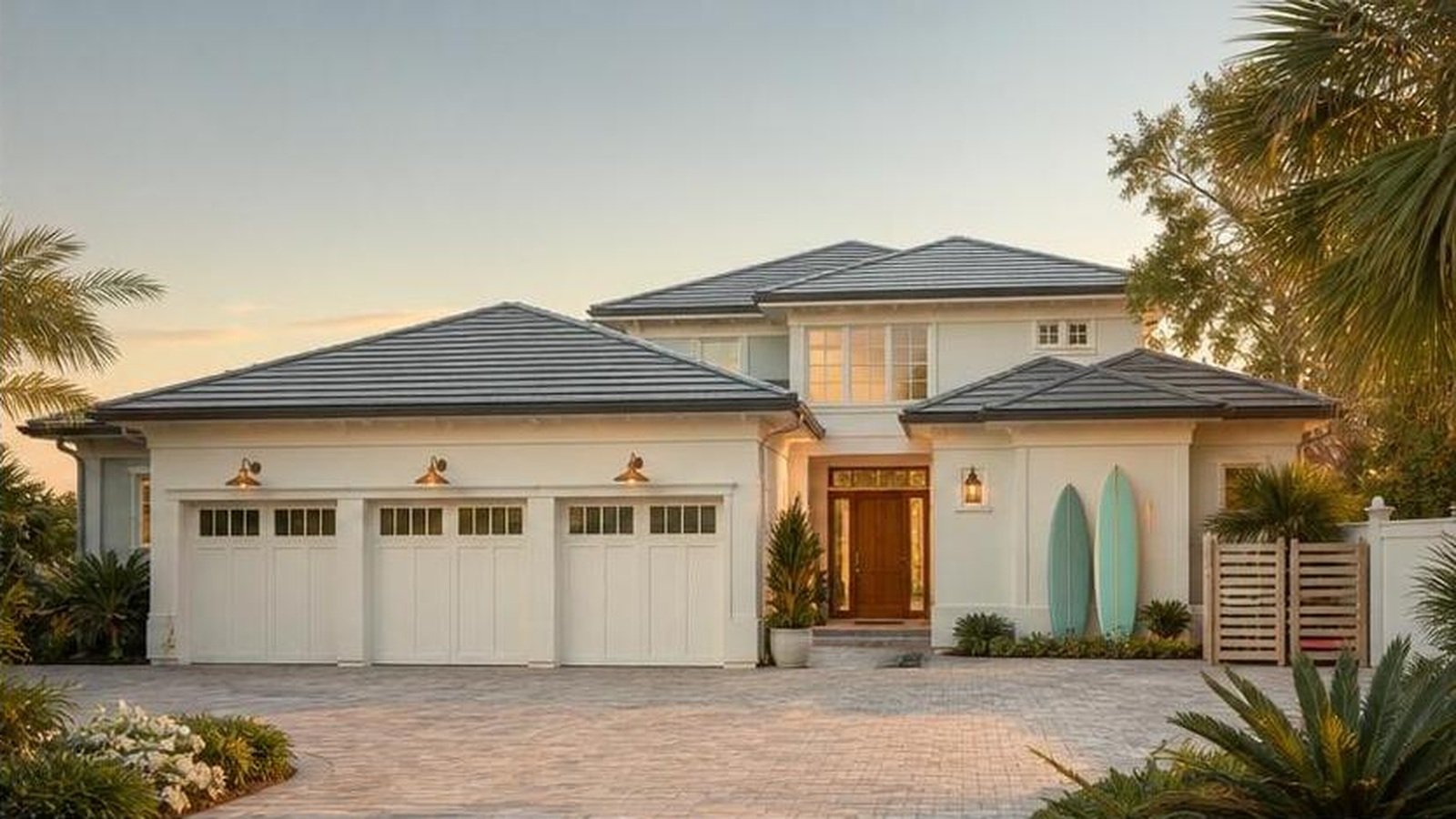
Should Space Coast Buyers Pay More for a Three-Car Garage in 2026?
A local Brevard County buyer guide answering: Should Space Coast buyers pay more for a three-car garage if they need storage for beach gear, work tools, or a golf cart in 2026?
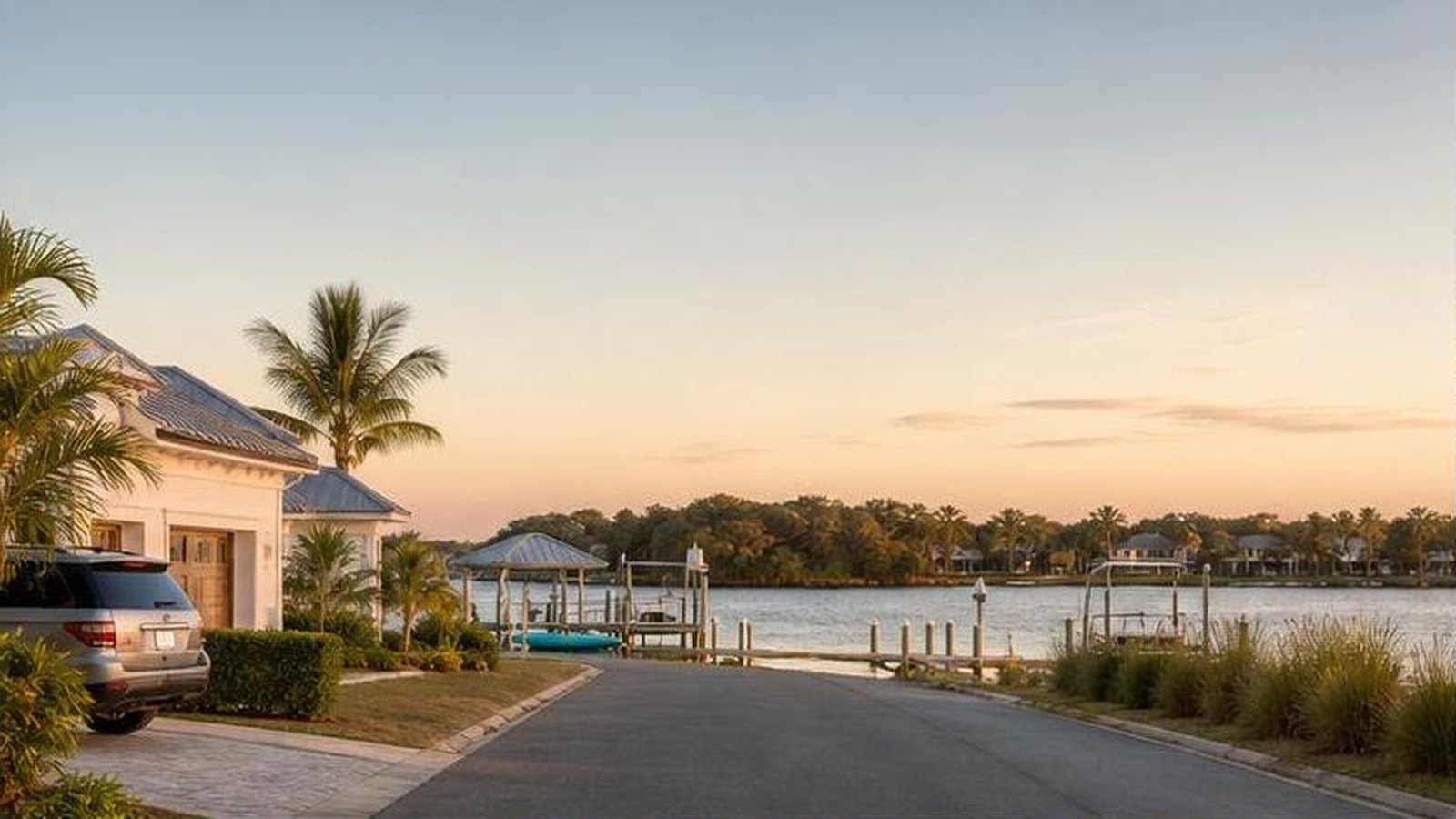
Which Cocoa Neighborhoods Make Sense for River Access, Lower Prices, and a Practical Commute in 2026?
A local Brevard County buyer guide answering: Which Cocoa neighborhoods make the most sense for buyers who want river access, lower prices, and a practical commute in 2026?
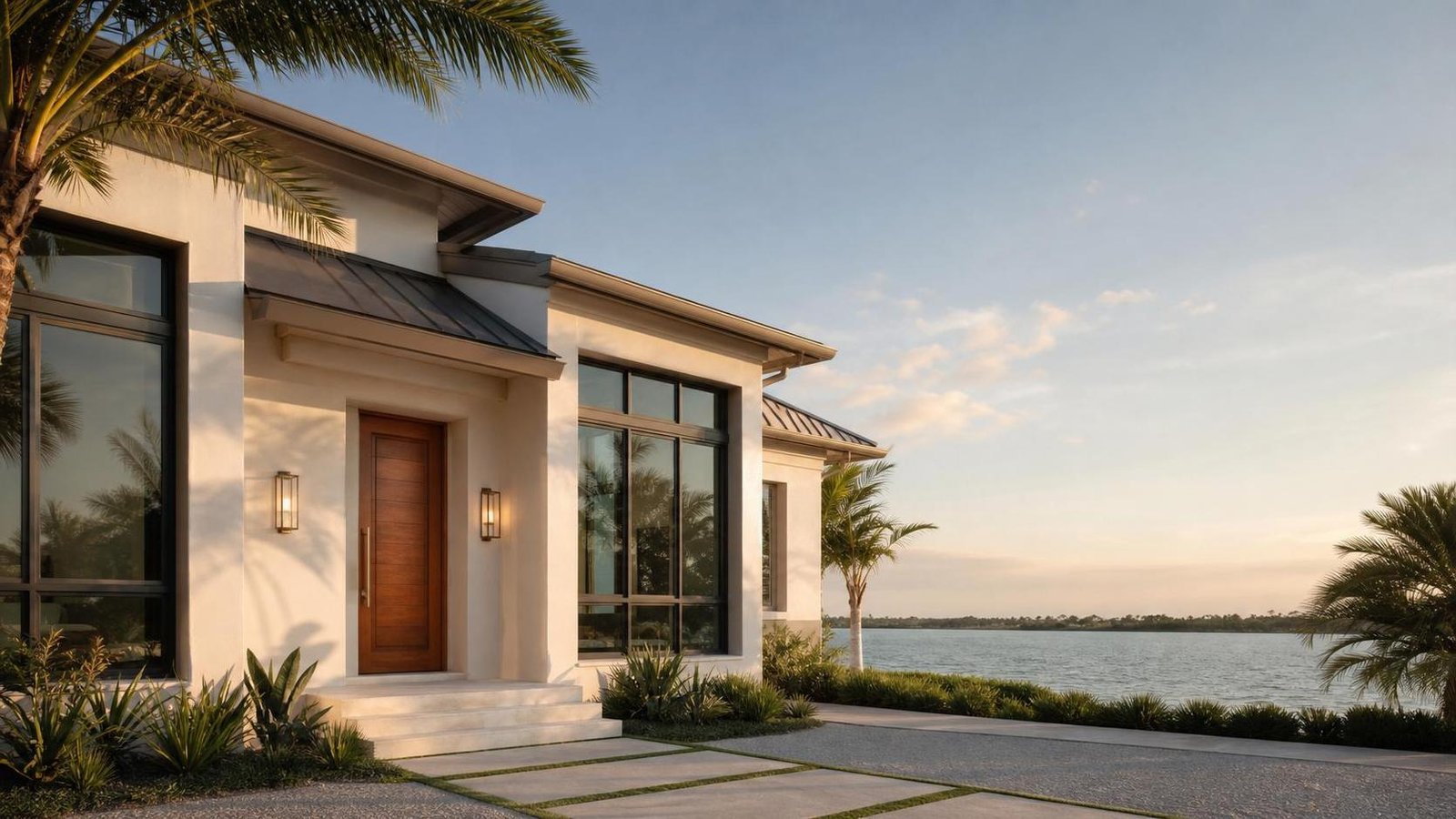
Are Concrete Block Homes Worth Paying More for on the Space Coast in 2026?
By Carrie Liotta, Space Coast REALTOR® | Published July 2, 2026 On the Space Coast, buyers ask me this all the time: “Is a concrete block home worth paying more for?” In many cases, yes, but not automatically and not at any price. A concrete block, often called CBS or concrete block stucco in Florida listings, can be a valuable feature because it speaks to durability, storm confidence, and resale expectations. But the smartest 2026 buyer looks at the full package: roof age, opening protection, wind mitigation report, flood zone, location, layout, and insurance quote. Why do Space Coast buyers care about concrete block? Brevard County buyers live with Florida realities: summer storms, hurricane season, insurance underwriting, humidity, salt air near the beach, and future resale questions. Concrete block construction can feel reassuring because it is common in Florida and often associated with stronger exterior walls than older frame construction. That said, construction type is only one part of the home’s risk profile. A concrete block home with an old roof and weak opening protection may be less attractive than a well-maintained frame home with a newer roof, documented upgrades, and better insurance quotes. Does concrete block help with insurance? It can help the overall story, but buyers should not assume a specific premium discount just because a home is block. Insurance carriers look at multiple factors, including roof age, roof shape, roof-to-wall connections, opening protection, location, prior claims, flood exposure, and replacement cost. Florida’s insurance framework specifically recognizes mitigation features. Florida Statute 627.0629 names windstorm-loss-reducing fixtures and construction techniques, including roof strength, roof-to-wall strength, wall-to-floor-to-foundation strength, opening protection, and window, door, and skylight strength. The Florida Office of Insurance Regulation wind mitigation page also points consumers to the Uniform Mitigation Verification Inspection Form and mitigation resources. So the better question is not “Is it block?” It is “What does the wind mitigation report, roof documentation, and insurance quote say?” When is paying more for concrete block worth it? Paying more can make sense when the block home also has other durable, insurable features. I like to see: a newer or well-documented roof; strong wind mitigation documentation; impact-rated openings or a complete shutter system; a practical flood-zone and drainage picture; a floor plan that future buyers will still want; a location with steady demand, not just a construction-type advantage. If you are trying to understand insurance-friendly features more broadly, read my guide to the Space Coast homes that are easiest to insure. Construction type matters, but it works best when the rest of the home supports the same story. Where does concrete block matter most in Brevard County? Construction type can be especially meaningful when buyers are comparing older homes in Melbourne, Merritt Island, Cocoa, Rockledge, Satellite Beach, Indian Harbour Beach, and Palm Bay. In beachside or waterfront-adjacent areas, buyers often focus on salt air, wind exposure, flood considerations, and long-term maintenance. Inland, the conversation may lean more toward insurance, resale, age of systems, and monthly payment comfort. Concrete block is not a magic shield. A home near the Indian River Lagoon, a canal, or the beach still needs a careful flood-zone and insurance review. If waterfront lifestyle is part of your search, this guide on Merritt Island canal-front homes shows how many location details go beyond the walls. Can a frame home still be a good buy? Absolutely. I do not want buyers automatically dismissing a frame home without looking at the facts. Some frame homes have excellent maintenance histories, newer roofs, updated openings, and strong locations. Others may offer a better layout or price point that makes sense after insurance is quoted. This is where buyers need local guidance. The wrong move is assuming all block homes are good and all frame homes are risky. The right move is comparing documentation, insurance quotes, condition, and resale demand. “Carrie is a true professional and an absolute powerhouse — she got our house sold! From the start, her approach was impressive — the photography, video tour and social media outreach were outstanding, leading to multiple offers in a down market.” How should buyers compare block vs. frame? Before paying a premium for concrete block, compare these items side by side: Insurance quote: get quotes for both homes before the inspection period ends. Roof age: a newer roof can be more important than wall type in underwriting conversations. Wind mitigation: review the actual report, not just listing remarks. Opening protection: windows, doors, skylights, and garage doors deserve attention. Resale buyer pool: location, schools, commute, and lifestyle access still drive demand. Repair budget: account for updates you will need in the first three years. The Florida Building Commission notes that the Florida Building Code, 8th Edition (2023) became effective December 31, 2023. Building code era can be a useful part of the conversation, especially when comparing newer homes with older homes that may have been built under different standards. What about impact windows and newer roofs? If you are comparing a concrete block home without impact protection to a frame home with a newer roof and impact windows, slow down and get the insurance quotes. The best choice may not be obvious from the listing description. For a deeper look at one major upgrade, read whether Brevard County buyers should pay more for impact windows. If roof age is the bigger question, this guide to newer roofs versus lower prices on the Space Coast is the next piece to read. How much more should you pay? There is no universal dollar amount I would tell every buyer to pay for concrete block. The premium depends on city, age, condition, floor plan, school access, commute, roof, insurance quote, and how many similar homes are available at the time. My rule of thumb is practical: pay more for a better total ownership picture, not just a better listing label. If the concrete block home lowers your risk, improves resale confidence, and keeps the monthly payment comfortable, it may be worth stretching. If the

Hurricane Season Homebuyer Checklist for Florida’s Space Coast: What to Know Before You Buy (and Before June 1)
June 1 is almost here — and if you’re buying or already own a home on Florida’s Space Coast, that date matters more than most people realize. I get asked all the time: “Carrie, is it risky to buy in Florida during hurricane season?” My honest answer: not if you know what you’re doing. Brevard County has come through major storms — Matthew, Irma, Ian — and the buyers who were prepared didn’t just survive hurricane season. They thrived. The ones who got caught off guard? They wish someone had handed them a checklist before closing. So here it is. Your complete hurricane season homebuyer checklist for the Space Coast. What Every Space Coast Homebuyer Needs to Do Before Closing ✅ 1. Understand the Flood Zone — Before You Make an Offer This is non-negotiable. Brevard County spans multiple FEMA flood zones — from Zone X (minimal risk, no flood insurance required) to Zone AE (high risk, flood insurance required by your lender). Where your specific property sits determines your insurance costs dramatically. A home in Zone X on the barrier island might be two blocks from one in Zone AE — and the difference in annual flood insurance cost can be $1,500 to $4,000+ per year. I covered the full 2026 FEMA map updates in my post: New FEMA Flood Maps for Brevard County: What Homeowners and Buyers Need to Know. You can look up any property’s exact flood zone on the FEMA Flood Map Service Center, or pull detailed parcel data from the Brevard County Property Appraiser. I always check both before my clients fall in love with a house. ✅ 2. Get a Wind Mitigation Inspection — It Could Save You Thousands This is the single most financially impactful thing a Brevard homeowner can do. A wind mitigation inspection assesses how well your home can withstand hurricane-force winds — roof shape, roof-to-wall connections, opening protection, and more. Under Florida Statute §627.0629, insurance companies are required to offer premium discounts for wind-resistant features — discounts that can reach up to 88% off the windstorm portion of your policy. On a Brevard home, that can mean $800 to $2,500+ per year in savings. The Florida Office of Insurance Regulation updated the official wind mitigation form (OIR-B1-1802) effective April 1, 2026 — if your inspection is more than a few years old, it may need to be redone to lock in your discounts. Cost: typically $75–$150. ROI: potentially thousands per year. Do it. ✅ 3. Check Your Evacuation Zone Brevard County uses an A–F evacuation zone system. Zone A is the highest risk (barrier islands, coastal areas), Zone F is the lowest. Check your property’s zone at the Brevard County Emergency Management website before making any offer — and bookmark the Brevard County Shelter Locator while you’re there. This doesn’t mean you shouldn’t buy in Zone A — Cocoa Beach and Satellite Beach are Zone A and they’re wonderful places to live. It means you need a plan. Know your route, know where you’re going, and go early before the highways clog. If you’re weighing neighborhoods specifically for flood risk and evacuation access, read my post on Brevard neighborhoods without the flood zone risk — it’s one of the most practical guides I’ve written. ✅ 4. Understand Impact Windows, Shutters, and Opening Protection One of the most common questions I hear from buyers relocating from out of state: “Does the house have hurricane shutters?” Homes built after 2002 generally meet modern Florida Building Code wind requirements. Homes built before 1994 may have single-pane windows with zero hurricane protection. Impact-resistant windows are the gold standard — no storm prep required, insurance discounts, and quieter daily living. Accordion shutters are the most convenient manual option. Panel shutters work but require installation before every storm. If you’re looking at waterfront property, opening protection is only one piece of the puzzle — read my full guide on seawalls in Brevard County for the other factors coastal buyers often miss. And for an honest look at waterfront ownership costs overall, check out Merritt Island waterfront costs: 3 expenses buyers miss. ✅ 5. Ask About the Roof — Age, Material, and Permits In Florida, a roof over 15–20 years old can make it nearly impossible to get homeowners insurance — or result in sky-high premiums. Ask before making any offer: How old is the roof? What material? Were permits pulled for the last replacement? Metal roofs last 40–70 years and earn the best insurance discounts. Asphalt shingles typically run 15–25 years. An unpermitted roof is a nightmare at closing — lenders don’t like them and neither do insurers. The Florida Department of Business and Professional Regulation has good guidance on what to look for in a licensed roofing contractor if a replacement is needed. A brand-new roof on a Brevard home is a selling point and a negotiating tool — it’s worth real money in insurance savings. ✅ 6. Apply for My Safe Florida Home — Free Inspection + Up to $10,000 in Grants This program is genuinely underused. The My Safe Florida Home program offers a free wind mitigation inspection and matching grants up to $10,000 for hurricane hardening improvements — impact windows, impact doors, and roof upgrades. Eligibility: homesteaded single-family homes with an insured value under $700,000. If you’re buying a home and planning improvements anyway, apply at MySafeFLoridaHome.com first. It’s real money left on the table if you don’t. You can also learn more about available programs through the Florida Division of Emergency Management’s preparation resources. Brevard County Hurricane Season Basics — For New Residents If you’re relocating to the Space Coast, here’s what locals already know: Hurricane season: June 1 – November 30. Peak activity: August through October. Brevard’s track record: We’re on the Atlantic side, which gives us some protection compared to the Gulf Coast — but we’re not immune. Hurricane Matthew (2016) caused significant damage along the barrier island. Irma (2017) brought flooding and wind damage countywide. Evacuation orders:

Can a Condo Special Assessment Kill Your Deal in Brevard County? What Buyers and Sellers Need to Know
By Carrie Liotta, Space Coast REALTOR® — Published May 20, 2026 Can a Condo Special Assessment Kill Your Deal, Quick answer: A condo special assessment in Brevard County won’t automatically kill a deal — but not knowing about one before you go under contract absolutely will. Florida’s post-Surfside laws have made special assessments far more common across the Space Coast, especially in older buildings in Cocoa Beach, Cape Canaveral, Satellite Beach, and Indian Harbour Beach. Buyers need to review the reserve study, 12 months of board meeting minutes, and the milestone inspection report before signing. Sellers need to disclose pending assessments — even unvoted ones — to keep deals on track. A condo deal I watched fall apart last month had nothing to do with the price, the inspection, or the buyer’s financing. It fell apart because of a document nobody asked for until it was too late — and by then, the buyer had already wired earnest money. If you’re buying or selling a condo anywhere in Brevard County — Cocoa Beach, Merritt Island, Cape Canaveral, Viera, Satellite Beach, Indian Harbour Beach — this is the conversation that comes up constantly, and most people have no idea it’s coming until they’re already under contract. Here’s what you actually need to know. Can a Condo Special Assessment Kill Your Deal: What Is a Condo Special Assessment? A special assessment is a charge your condo association bills to every unit owner on top of their regular HOA dues. It exists to cover major capital work the reserve fund can’t handle — roofs, elevators, seawalls, structural concrete, milestone repairs. And here’s what most buyers misunderstand: a special assessment is not automatically a red flag. Every condo building on earth eventually needs major work. Concrete spalls. Elevators wear out. Roofs come due. Seawalls fail — and if you’re considering a waterfront condo, you’ll want to read my guide on how seawalls work in Brevard County before you sign anything. The real question isn’t whether the building needs work. It’s whether the association has been saving for it — or ignoring it for years and now handing you the bill. Why Special Assessments Have Exploded Post-Surfside The June 2021 collapse of the Champlain Towers in Surfside changed Florida condo law permanently. The state now requires older buildings to complete structural milestone inspections and actually fund their reserves at full levels. For decades, many condo associations across Florida — including here on the Space Coast — kept HOA dues artificially low by underfunding reserves. That worked until the new law made it illegal. Now, a lot of associations are staring at a gap, and the fastest way to close that gap is a special assessment. If you want the full breakdown of the law itself, I wrote a separate piece on what Florida’s condo safety laws mean for buyers and a follow-up on Florida’s new condo reserve requirements — both are required reading if you’re shopping in an older building. How a Special Assessment Affects Sellers If you’re a seller with a pending assessment, two things happen. First, buyers will subtract that assessment from their offer — dollar for dollar. If the assessment is $25,000 per unit, your strongest offer will come in $25,000 lower than what you would have gotten without it. There is no real negotiation around this. It’s math, and savvy buyers do it before they sign. Second, if the assessment is large enough, it can knock out conventional financing entirely. When lenders see a major pending assessment on the HOA’s books, they often refuse to underwrite a loan in that building until it’s resolved. That pushes you into a cash-buyer-only market — and cash buyers know they have leverage. Expect aggressive offers. For a deeper look at how this plays out in transactions, my post on how special assessments affect your sale price walks through real numbers. How Buyers Should Protect Themselves Before Closing If you’re buying a condo in Brevard County — especially near the beach or on waterfront — the price, the view, and the monthly HOA fee are not enough. You need to understand the financial health of the building, the upcoming repairs, the reserve funding, and whether a special assessment may be coming. Three documents are non-negotiable: These three documents tell you whether you’re buying into a well-run association or inheriting someone else’s deferred problem. Why This Matters Even More for Out-of-State Buyers If you’re relocating to the Space Coast from out of state — and a lot of my clients are — condo documents are easy to skim over from 1,200 miles away. The financials feel abstract until you’re three weeks from closing and the management company sends a notice that a $40,000 assessment was just approved. That’s the email I get most often. And by then, the buyer’s options are limited: terminate the contract and lose time and inspection money, or close anyway and absorb the assessment. If you’re trying to decide between a condo and a single-family home on the Space Coast in the first place, my guide on condo vs single-family on the Space Coast covers the tradeoffs honestly — assessments included. Florida’s Disclosure Rule Sellers Often Miss Here’s a rule a lot of sellers — and even some agents — don’t understand: Florida law requires you to disclose a pending special assessment, even if it hasn’t been formally voted on yet. If it’s been discussed at a board meeting, it’s likely disclosable. I know that feels counterintuitive. Sellers think, “It hasn’t been voted on, so technically there’s no assessment.” But buyers who find it on their own — through their attorney, their lender, or a careful read of the meeting minutes — are far harder to deal with than buyers who were told upfront. Transparency builds trust. And trust is what gets deals to the closing table. The Real Lesson A special assessment is not a deal-killer on its own. It’s only a deal-killer when it shows up as a surprise. Having the information before you’re under contract — not after — is what

Seawalls in Brevard County: What Every Waterfront Buyer Needs to Know Before Making an Offer. Trusted Realtor, Carrie Liotta
By Carrie Liotta, REALTOR® | REAL Broker, LLC | May 16, 2026 Seawalls in Brevard County: If you’re researching waterfront property in Brevard County, here’s the short answer on seawalls: they are one of the most expensive and most overlooked issues in Space Coast real estate right now — and the county is actively moving away from them. A failing seawall can cost $60,000 to $120,000 to replace. It can look perfectly fine from the surface while silently failing underneath. And unpermitted seawall work can kill your closing. I put together this video to walk you through exactly what’s happening with seawalls on the Space Coast, what you should do before making an offer on a waterfront home, and why the alternatives to traditional seawalls are worth understanding before you sign anything. Seawalls in Brevard County: Why Seawalls Are a Bigger Deal Here Than in Most Florida Markets Brevard County sits along the Indian River Lagoon — 156 miles of estuary running through the heart of the Space Coast. It’s one of the most biologically diverse estuaries in North America: manatees, dolphins, seagrass, and thousands of species. The lagoon is also why people want to live here. Waterfront homes in this county command a real premium, and the Indian River, Banana River, and the canals throughout Merritt Island and Cocoa Beach are central to that value. But the lagoon is struggling. Decades of pollution, nutrient runoff, and ecological stress have taken a toll — and here’s what surprises most buyers: traditional seawalls are part of that problem. A vertical seawall doesn’t absorb wave energy. It reflects it. That reflected energy increases erosion at the base of the wall and on neighboring properties. Seawalls also block the natural movement of sand and sediment, and they eliminate the intertidal zone — the narrow strip of shoreline between high and low tide where mangroves grow, horseshoe crabs nest, and oysters filter the water. A vertical concrete wall wipes all of that out. Brevard County’s own natural resources director has said publicly that seawalls are the easy way to stabilize a shoreline, but they are not good for wildlife, not good for water clarity, and not good for the lagoon. That’s not a fringe position — it’s the county’s official stance, and it’s backed by real dollars. In 2024, Brevard kicked off a $4.2 million living shoreline project at Titusville Causeway, bringing in over 4,000 cubic yards of sand, native vegetation, and 650 wave attenuation devices offshore that function like an artificial reef. They even dropped a million baby clams via drone to help filter the water. That’s the direction this county is heading. As a buyer, you need to understand that shift — because it affects what you can build, what your alternatives are, and what the long-term value of a waterfront property looks like. If you’re weighing the true costs of Merritt Island waterfront ownership, seawalls belong near the top of that list. Piece of Advice #1: Get a Seawall Inspection Before You Make an Offer This is non-negotiable, and I say that as someone who has seen what happens when buyers skip it. A seawall can look perfectly fine from the surface. No cracks. The cap looks solid. The wall is standing straight. And underneath, the tieback rods anchoring the entire structure are completely rusted through. The fill behind the wall is washing out. You could be weeks away from a failure — and you would never know it just by looking. Your standard home inspector does not cover this. You need a licensed marine contractor who specifically knows marine construction to assess the actual structural integrity of the wall. This is a separate, specialized inspection — and it is worth every penny. Here’s what you’re protecting yourself from: seawall replacement runs $700 to $1,200 per linear foot, and sometimes more depending on materials and access. A typical 80 to 100-foot residential seawall can cost between $60,000 and $100,000 to replace. That is not a number you want to discover after closing. Practical advice: Make the seawall inspection a condition of your offer. Use what you find to negotiate. And if the seller can’t tell you when the seawall was last inspected or repaired, treat that as a red flag — not a minor gap. For a deeper look at what a proper inspection involves, see this seawall inspection guide for Brevard County. Piece of Advice #2: Know Your Alternatives — the County Already Does If you own waterfront property and your seawall is aging — or if you’re buying a property where the seawall is near end of life — you do not automatically have to replace it with another vertical concrete or vinyl wall. The county actually prefers you don’t. Here are the main alternatives: Rip rap — a sloped arrangement of rocks along the shoreline. More wildlife-friendly than a vertical wall, considered a middle-ground option that Brevard County views much more favorably from an environmental standpoint. Depending on your shoreline conditions, rip rap can also be less expensive than a full seawall replacement. Living shorelines — the full nature-based approach. Native plants, oyster beds, wave attenuation structures. These have more ecological benefit and are often less expensive upfront than a new seawall. They’re also potentially eligible for funding through the Save Our Indian River Lagoon program — a half-cent sales tax that Brevard voters approved in 2016, expected to generate over $586 million for lagoon restoration projects. That’s real grant money that may be available to help offset your costs. Even if your property ultimately requires a vinyl seawall because of its specific water exposure or lot configuration, you should at least have that conversation with a marine contractor before assuming it’s your only option. A good contractor will tell you honestly what makes sense for your property, your water exposure, and your budget. For more context on how seawall condition and replacement decisions affect resale value, this post on whether a new seawall adds value to your Merritt Island home is worth reading before you negotiate. Piece of
New FEMA Flood Maps for Brevard County: What Homeowners and Buyers Need to Know in 2026
By Carrie Liotta, Space Coast REALTOR® | Published May 15, 2026 The short answer: FEMA has issued preliminary Flood Insurance Rate Maps (FIRMs) for Brevard County and its incorporated cities. If they’re adopted, your home’s flood zone designation — and your flood insurance premium — could change. Property owners have a 90-day statutory window to appeal proposed changes before the maps become effective. Here’s what every Brevard County homeowner, buyer, and seller should do right now. FEMA Flood Maps for Brevard County What’s actually happening with Brevard County flood maps The Department of Homeland Security’s Federal Emergency Management Agency (FEMA) has released preliminary FIRMs and Flood Insurance Study (FIS) reports for Brevard County, Florida and its incorporated areas — including Cocoa Beach, Melbourne, Palm Bay, Satellite Beach, Indialantic, Indian Harbour Beach, Cape Canaveral, Cocoa, Rockledge, Titusville, Melbourne Beach, and Merritt Island. These preliminary maps may include: Translation: a home that was in Zone X (lower-risk, flood insurance not federally required) under the old maps could end up in Zone AE (high-risk, flood insurance required if you have a federally-backed mortgage) — or vice versa. Why this matters in Brevard County specifically The Space Coast has unique flood exposure because of three things working at once: When FEMA updates a FIRM panel for Brevard County, it usually shifts coverage requirements for thousands of properties at once. A single neighborhood can have homes that move zones in opposite directions on the same block. What changes if your flood zone designation moves If you’re moved into a higher-risk zone (AE, VE, AO): If you’re moved into a lower-risk zone (X): A note from me: Even when flood insurance isn’t required, I tell my Brevard County clients to keep at least a minimum policy. More than 25% of NFIP flood claims come from properties outside high-risk zones. A storm doesn’t read your FIRM. How to check your current and proposed flood zone You can pull both your current zone and the preliminary proposed zone in about five minutes: If your address shows a different proposed zone than your current one, that’s when this article matters most to you personally. How the 90-day appeal window works Before the preliminary maps become legally effective, FEMA is required to give property owners and communities a statutory 90-day period to file appeals. You can appeal if you can provide scientific or technical data showing that the proposed BFE, depth, or boundary is incorrect for your property. Typical evidence: You file appeals through your local floodplain administrator (county or city), who forwards them to FEMA. For full appeal instructions and dates, FEMA’s official portal is floodmaps.fema.gov/fhm/BFE_Status/bfe_main.asp or you can call FEMA Map Information eXchange (FMIX) at 1-877-FEMA MAP (1-877-336-2627). What buyers should do right now If you’re shopping for Brevard County homes for sale, this is a moment to slow down by exactly one step: What sellers should do right now If you’re listing — or thinking about listing in the next 12 months: Frequently asked questions Are FEMA flood maps changing in Brevard County in 2026?Yes. FEMA has issued preliminary FIRMs and FIS reports for Brevard County and incorporated areas. They are not yet legally effective — the 90-day appeal period must run first. How do I find out if my home is in a flood zone in Brevard County?Use FEMA’s Map Service Center, the Brevard County Floodplain Administration page, or ask your insurance agent or REALTOR® for a current flood determination. Will my flood insurance premium go up if my zone changes?It can. FEMA’s Risk Rating 2.0 system prices each property individually based on elevation, building characteristics, and distance to water — but a move from Zone X to Zone AE typically increases premium and makes coverage mandatory for federally-backed mortgages. Can I appeal a new FEMA flood zone designation?Yes — there’s a statutory 90-day appeal window during the preliminary FIRM process. You’ll need technical evidence (most commonly an elevation certificate from a licensed surveyor) submitted through your local floodplain administrator. Which Brevard County neighborhoods are safest from flooding?Generally, the higher-elevation inland communities — parts of Viera, Suntree, West Melbourne, Rockledge, and Palm Bay — sit in or near Zone X under current maps. That said, individual lots vary, and the preliminary maps may shift some of these. Always check the specific address. Should I still buy flood insurance if I’m in Zone X?In my opinion, yes — at least a minimum policy. Over a quarter of NFIP flood claims come from properties outside high-risk zones. Florida storms don’t follow zone boundaries. The bottom line Brevard County flood maps are about to change. That’s not a reason to panic — it’s a reason to get informed before your neighbors do. If you check your zone, get an elevation certificate, and understand your appeal options now, you stay in control of the decision instead of finding out from your insurance renewal letter. If you’d like me to pull your specific address’s current and proposed zone, or you’d like a referral to a Brevard County-licensed surveyor for an elevation certificate, reach out for a no-pressure conversation. Your next chapter on the Space Coast should start with eyes wide open. Related reading on 321coastalliving.com: Want more like this? Subscribe to my weekly newsletter for Brevard County market updates, or join my private Facebook group Moving to Brevard County Florida for daily community insights. By Carrie Liotta, Space Coast REALTOR® | REAL Broker, LLC | Serving Brevard County, FL
What do Florida’s condo safety laws mean for buyers on the Space Coast?
Florida’s condo safety laws mean for buyers: Florida post-Surfside legislation — including SB 4-D, SB 154, HB 1021, and HB 913 — requires older condo buildings to complete a Structural Integrity Reserve Study (SIRS) and Milestone Inspection, and prohibits associations from waiving structural reserve contributions. For buyers in Cocoa Beach, Satellite Beach, and Indialantic, this means low HOA fees on older buildings are now a red flag, not a selling point. Before going under contract, request the SIRS, the milestone inspection report, the reserve fund status, and the last 12 months of HOA board meeting minutes. By Carrie Liotta | May 11, 2026 If you’re thinking about buying an oceanfront condo in Cocoa Beach, Satellite Beach, or Indialantic right now, there’s a conversation we need to have before you fall in love with a unit. The condo landscape in Florida has changed significantly. Laws are in place today that didn’t exist before 2022. They affect what you’ll pay to live there, how much reserves a building is legally required to hold, and whether certain buildings are even insurable the way they used to be. Oceanfront condos on the Space Coast aren’t off the table — but they require more due diligence than they did five years ago, and most buyers aren’t doing enough of it.https://www.youtube.com/embed/imTpfSUnrqc Florida’s condo safety laws mean for buyers: What the Post-Surfside Laws Actually Changed After the Champlain Towers collapse in Surfside in 2021, Florida passed some of the most significant condo safety legislation in the country. Senate Bill 4-D started it. SB 154 refined it. HB 1021 added governance oversight. The most recent update, HB 913, went into effect July 2025. What all of this means for you as a buyer: buildings that were quietly deferring maintenance for decades have been forced to come clean. Some of that is showing up as special assessments. Some of it is showing up as dramatically higher HOA fees. Florida’s new condo reserve requirements have fundamentally changed the financial picture for a lot of buildings — especially older ones on the coast. I’m not telling you to avoid condos. I’m telling you to go in with your eyes open, because the information is now available if you know how to ask for it. Here are the three things every oceanfront condo buyer on the Space Coast needs to know right now. 1. Ask for the SIRS and Milestone Inspection Report — Before You Tour This is the most important thing I can tell you. Before you tour, before you make an offer, ask for two documents: the Structural Integrity Reserve Study (SIRS) and the Milestone Inspection Report. Florida law now requires buildings that are three stories or higher and 30 years or older to have these completed. For buildings near the coast, the trigger age drops to 25 years. If a building that should have these documents doesn’t have them yet, that’s a red flag — not a negotiating chip. Here’s what each document tells you: Under Florida’s current condo laws, you’re entitled to review these documents as a prospective buyer. If a seller or HOA won’t produce them, watch Carrie explain why that’s your signal to walk at 4:29. I had a buyer looking at an oceanfront condo in Cocoa Beach — beautiful building, incredible views, price that seemed like real value. We pulled the financials. The reserve fund was well below what the new mandatory funding requirements were going to require. The building had also deferred major seawall work. The HOA fees were about to move significantly, so we walked. Two streets over, the buyer found a building that had gotten ahead of the new requirements, completed their milestone inspection, and had a fully funded reserve. She paid a bit more per unit. She has not had a surprise assessment. That’s the difference between doing the homework and skipping it. Thinking about relocating to the Space Coast and want answers from people who already made the move? Join my private Facebook group, Moving to Brevard County, Florida — locals, newcomers, aerospace folks, and military families all in one place asking real questions and getting real answers. Or schedule a call directly: calendly.com/carrieliotta. 2. Low HOA Fees on Older Buildings Are Now a Red Flag This one catches buyers off guard. Since January 2025, Florida condo associations cannot vote to waive or reduce their structural reserve contributions. Before Surfside, owners could vote to skip reserve funding to keep monthly fees artificially low. That option no longer exists for structural components. What this means for you: buildings with aging infrastructure and underfunded reserves are going to be brought up to the legally mandated level. That means HOA fees are going up — it’s not a matter of if, but when and by how much. If you’re looking at a building built in the late 1980s or early 1990s that still has a very low monthly HOA, ask one direct question before you go any further: Has this building completed its SIRS, and is it currently funding reserves at the required level? The answer tells you whether the number you’re looking at today is the number you’ll be paying a year from now. If the monthly costs are a deciding factor in your decision between a condo and a single-family home on the Space Coast, this question matters more than almost anything else. 3. Special Assessments Are Real — and the Minutes Will Warn You In South Florida, some buildings issued special assessments in the six figures per unit after milestone inspections revealed years of deferred maintenance. That’s not the norm on the Space Coast, but the same underlying conditions exist in some buildings here — and the legislation has forced those buildings to confront what they’ve been ignoring. The cost of deferred work doesn’t disappear. It gets passed to owners. When you’re doing your condo due diligence, request the HOA board meeting minutes from the last 12 months. Special assessments don’t appear out of nowhere — they get discussed before they get issued. If there are conversations in those minutes about upcoming major
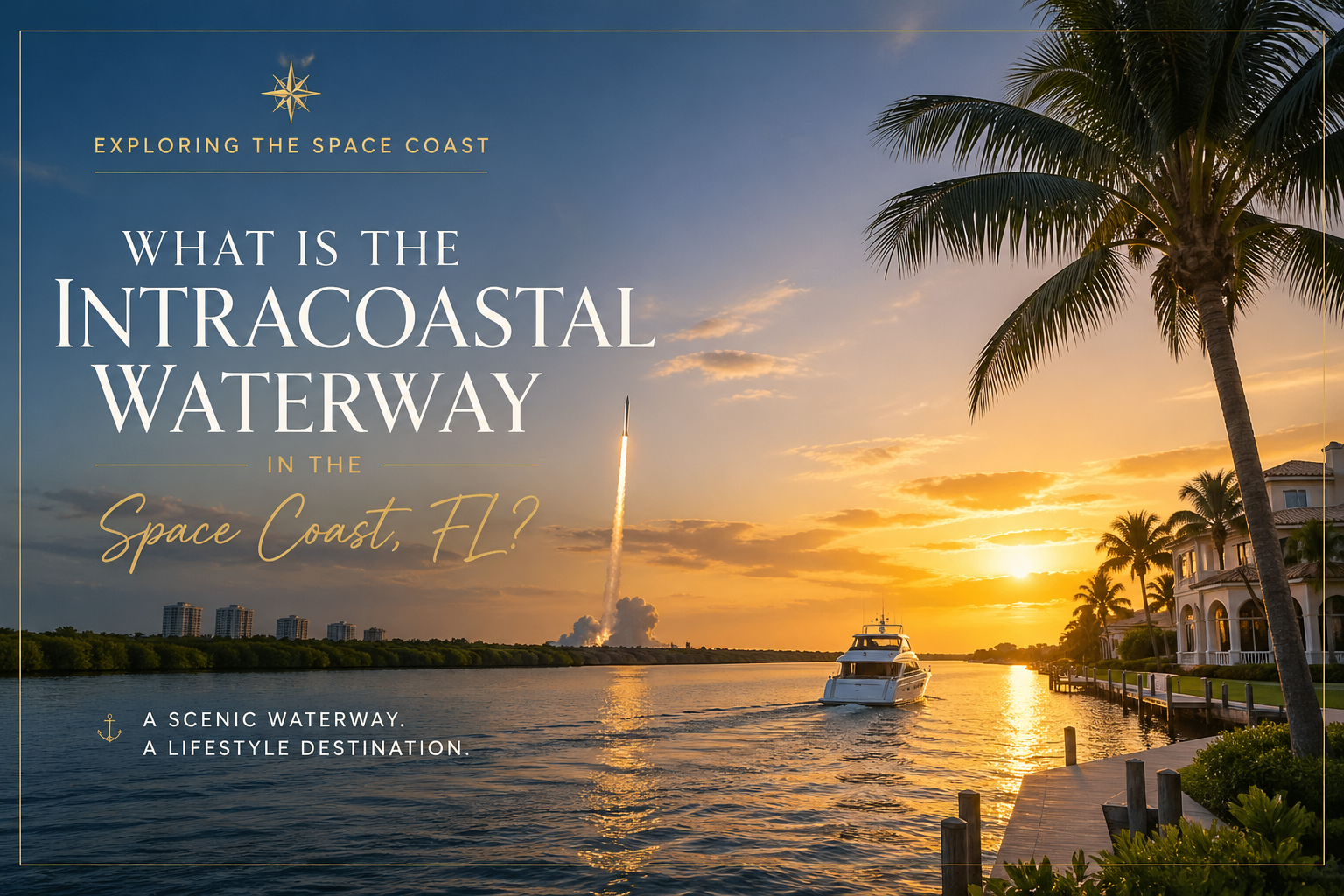
What Is the Intracoastal Waterway in the Space Coast, FL? Trusted Realtor, Carrie Liotta
What is the Intracoastal Waterway, and why does it run through the Space Coast? What Is the Intracoastal Waterway in the Space Coast, FL? The Intracoastal Waterway is a 3,000-mile protected water highway running from Massachusetts to Texas. On the Space Coast, it threads through the Indian River Lagoon and the Banana River — two saltwater estuaries that wrap around Merritt Island and define waterfront living in Brevard County, Florida. This stretch is unlike any other section of the ICW because it borders Kennedy Space Center, glows electric blue from bioluminescence in summer, and sits in one of the most biodiverse estuaries in North America. By Carrie Liotta | April 28, 2026 Most people who live near it have never heard of it. The Intracoastal Waterway — the ICW — is a 3,000-mile protected water highway that runs from Massachusetts all the way down to Texas. It’s not one continuous canal. It’s a stitched-together system of natural rivers, bays, sounds, and dredged channels that lets boats travel almost the entire Atlantic and Gulf coasts without ever heading out into open ocean. And right here in Brevard County, the ICW passes through one of the most unusual stretches in the entire country.https://www.youtube.com/embed/krC7Zab2LZ0 If you’re researching a move to the Space Coast — Cocoa Beach, Merritt Island, Viera, Rockledge, anywhere along this corridor — you’re going to hear “Intracoastal” thrown around constantly. In MLS listings. In neighborhood descriptions. In conversations with locals. Most relocation buyers nod along and figure it out later. Don’t do that. Understanding this waterway is the starting point for understanding the lifestyle, the property values, and honestly, why people who move here tend to stay. What the ICW actually is — and why it exists The Intracoastal Waterway was built so commercial and pleasure boats could move up and down the East and Gulf coasts without battling open-Atlantic conditions. Some of it is natural — rivers, lagoons, sounds. Some of it is human-engineered — dredged channels, locks, and connecting cuts. The Atlantic Intracoastal Waterway (the eastern half) runs from Norfolk, Virginia, to Key West, Florida. The Gulf section continues from there around to Brownsville, Texas. The federal government has maintained it since the 1800s, and the U.S. Army Corps of Engineers keeps it dredged to a navigable depth. What that means in practice: a boater leaving Maine in October can run all the way to the Florida Keys without ever needing to time an ocean crossing. They sleep in protected anchorages every night. They stop in towns along the way. And a huge number of those boaters end up stopping on the Space Coast — and never leaving. The Space Coast section is genuinely unlike any other Most of the ICW in Florida runs along narrow channels behind barrier islands — pretty, but predictable. The Brevard County stretch breaks the mold for three reasons. 1. It’s not really a “channel” here. It’s two huge estuaries. The ICW through the Space Coast actually runs through the Indian River Lagoon and the Banana River. Despite the names, neither is a river in the geological sense. They’re saltwater lagoons — long, shallow estuaries separated from the Atlantic by a narrow barrier island. They were named “rivers” centuries ago when settlers used the term loosely for any long, navigable waterway. The labels stuck. The Indian River Lagoon is roughly 156 miles long. It’s wide, shallow, and full of seagrass beds. The Banana River sits inside Merritt Island, separating it from Cape Canaveral. If you’ve looked at a map of the two waterways that define Merritt Island, you’ve already seen exactly how these two systems work together — and why an island sitting between them has such a different feel from a beachfront condo on A1A. 2. Kennedy Space Center literally reshaped it. When NASA built Kennedy Space Center in the 1960s, they reshaped the northern Banana River to support launch operations. Sections were closed off, others were dredged, and the security perimeter restricts boating in parts of the upper Banana River to this day. So you have rocket launches happening over the same water where manatees graze on seagrass. That’s not a brochure line. That’s the actual setup. 3. It’s one of the most biodiverse estuaries in North America. The Indian River Lagoon is officially recognized as one of the most biodiverse estuaries on the continent — over 4,300 species of plants and animals call it home. Manatees. Dolphins. Sea turtles. Bull sharks. Roseate spoonbills. Hundreds of fish species. The mix of fresh water (from rivers and runoff), salt water (from inlets), and brackish in-between creates a habitat range you genuinely can’t replicate elsewhere on the East Coast. If you’re trying to figure out where to actually live on this waterway — direct frontage vs. canal access vs. lagoon-view — that’s the conversation I have with relocation buyers every week. Start with my free 30-minute discovery call and we’ll map your priorities to the right pocket of the Space Coast. Bioluminescence: the Space Coast’s strangest summer perk Here’s something nobody tells you before you move down here: the Indian River Lagoon and Banana River glow in the summer. From roughly June through October, conditions in the lagoon trigger a bloom of bioluminescent dinoflagellates and comb jellies. When the water gets disturbed — by a paddleboard, a kayak paddle, a fish darting under your dock — it lights up electric blue. People charter clear-bottom kayak tours specifically to see it. Locals just take their kayaks out on a moonless August night. You’re not going to read that on a Zillow listing. But it’s the kind of thing that makes a Tuesday in September on the Space Coast feel different from anywhere else. What this means if you’re buying waterfront here If you’re shopping for a waterfront home on the Space Coast, the type of waterfront matters a lot. Here’s how it shakes out for relocation buyers I work with: Each comes with different insurance, flood-zone, and seawall considerations. Before you buy waterfront on Merritt Island, you’ll want to verify the flood zone designation, the age