

What Relocating Families Should Know About Brevard County Private School Commutes Before Choosing a Neighborhood By Carrie Liotta, Space Coast REALTOR® | June 29, 2026 When families relocate to Brevard County, the private school conversation usually starts with academics. That matters, of course. But the home search also needs a very practical question: what will the school commute feel like on a normal Tuesday morning? On the Space Coast, a private school decision can change your best neighborhood map. A family considering Holy Trinity, Melbourne Central Catholic, Ascension, Calvary Chapel, St. Mary, or another private option may be looking at a very different daily rhythm than a family relying only on a zoned public school. I help relocating families think through that early, before they fall in love with a home that makes the school day harder than it needs to be. Start With the School-Work-Home Triangle The best private school commute is not always the shortest drive from the house to the school. It is the triangle between school, work, and home. If one parent works near L3Harris, Northrop Grumman, Health First, Melbourne Orlando International Airport, or Patrick Space Force Base, the school route should be tested against that commute too. A beautiful house in the wrong direction can create two daily drives instead of one logical loop. That is why I like families to compare neighborhoods in clusters. Viera and Suntree can work well for families who want central access to Pineda-area schools, I-95, Wickham Road, and the beaches. Melbourne and West Melbourne may work better for families prioritizing jobs, private school access, and a more direct daily routine. Merritt Island or beachside can be wonderful for lifestyle, but the bridges and causeways need to be part of the morning calculation. If you are also comparing public-school options, read my guide to how relocating families should compare Brevard County zoned schools vs. choice schools before buying. The same address-level discipline applies when private schools are on your list. Know That Florida Private Schools Are Different From Public School Zones Private schools are not assigned by address the way public school zones are. Families usually choose based on admission, program fit, tuition, faith alignment, schedule, transportation options, and commute. The Florida Department of Education explains that Florida private elementary and secondary schools are not licensed, approved, accredited, or regulated by the department. The state maintains a directory as a public service, but families still need to verify accreditation, admissions, grade levels, transportation, after-care, and program details directly with each school. The Florida School Choice private school directory is a good starting point, but it also notes that school-submitted data is not an approval or accreditation by the Department of Education. In plain English: use the directory to build your list, then call the schools and confirm everything that matters to your family. Which Brevard Areas Usually Make the Most Sense? Viera and Suntree are often strong for families who want newer homes, easy access to I-95, proximity to Pineda Causeway, and a fairly central position between Melbourne, beachside, and north-central Brevard. The tradeoff is that some communities carry HOA or CDD costs, and school commute convenience may vary by exact entrance and traffic pattern. Melbourne and West Melbourne can be practical for families who want job access, shopping, dining, and a wider range of price points. This can be especially helpful if one parent works in south or central Melbourne and the private school is also nearby. Merritt Island can be a fit for families who love waterfront, KSC access, and central Space Coast geography. But if the school is in Melbourne or beachside, bridge timing needs to be tested. Satellite Beach, Indian Harbour Beach, and beachside neighborhoods can be wonderful for surfside mornings and beach access. The question is whether the commute to school and work still feels good after the novelty wears off. My comparison of choosing a smaller home in a stronger school zone versus a larger home with school choice options is a helpful companion if you are weighing lifestyle against square footage. Test the Commute at the Right Time Do not rely on a Saturday afternoon map estimate. Test the drive during real drop-off and pickup windows, especially if the route uses Wickham Road, Pineda Causeway, Eau Gallie Boulevard, US-1, A1A, or I-95. I also recommend testing the afternoon route. Some families can handle a longer morning commute if pickup is easy. Others need after-care, sports, tutoring, dance, club soccer, or a second school pickup, and that changes the entire decision. If you have two children in different schools, or one child in private school and one in public school, the neighborhood search should be even tighter. Two good schools can still create a difficult daily routine if they sit in opposite directions. Ask About Transportation, After-Care, and Calendar Reality Before you choose a home, ask each school about transportation options, early drop-off, late pickup, after-care, athletic schedules, and calendar differences. Those details can matter as much as the drive time. Brevard Public Schools also has responsibilities connected to parentally placed private school students who may need evaluation or services under IDEA. Their private schools page is worth reviewing if special education evaluation or support questions are part of your planning. “I specifically chose Carrie because of her local expertise as a resident of Merritt Island and her deep knowledge of my specific neighborhood… Her professionalism is truly unmatched.” Google review from a 321 Coastal Living client What This Means for Resale Private school access can help a home appeal to future buyers, but only when the broader location still works. A house that is convenient to a respected private school, major employers, beaches, parks, and daily errands has a larger future buyer pool than a house that works for only one narrow routine. For families comparing academics and lifestyle together, my post on Brevard County neighborhoods for AP programs and a short beach commute may help you think through the same tradeoffs
Which Rockledge Neighborhoods Work Best for Viera Access, School Commute, and Lower HOA Costs?
A local buyer guide to Rockledge neighborhoods for Viera access, school commute planning, and lower HOA tradeoffs in 2026.

Smaller Home in a Stronger School Zone or Bigger Home With School Choice? A Space Coast Buyer Guide
How Space Coast buyers can decide between a smaller home in a preferred school zone and a larger home with Brevard school choice options.

Which Brevard County Neighborhoods Work Best for AP Programs and a Short Beach Commute in 2026?
A practical guide for relocating families comparing Brevard County AP programs, school choice, and short beach commutes in 2026.

Which Brevard County Condo Rules Matter Most for Pet Owners, Remote Workers, and Seasonal Guests?
A practical buyer guide to Brevard County condo rules for pets, remote work, seasonal guests, rental limits, parking, renovations, and resale flexibility.

What First-Time Condo Buyers Should Know About HOA Fees, Reserves, and Insurance in Cape Canaveral in 2026
A first-time buyer guide to Cape Canaveral condo HOA fees, Florida reserve rules, insurance, flood risk, milestone inspections, and documents to review before making an offer.
Should Space Coast Condo Buyers Choose Oceanfront, Riverfront, or Walk-to-Beach Units for Long-Term Resale?
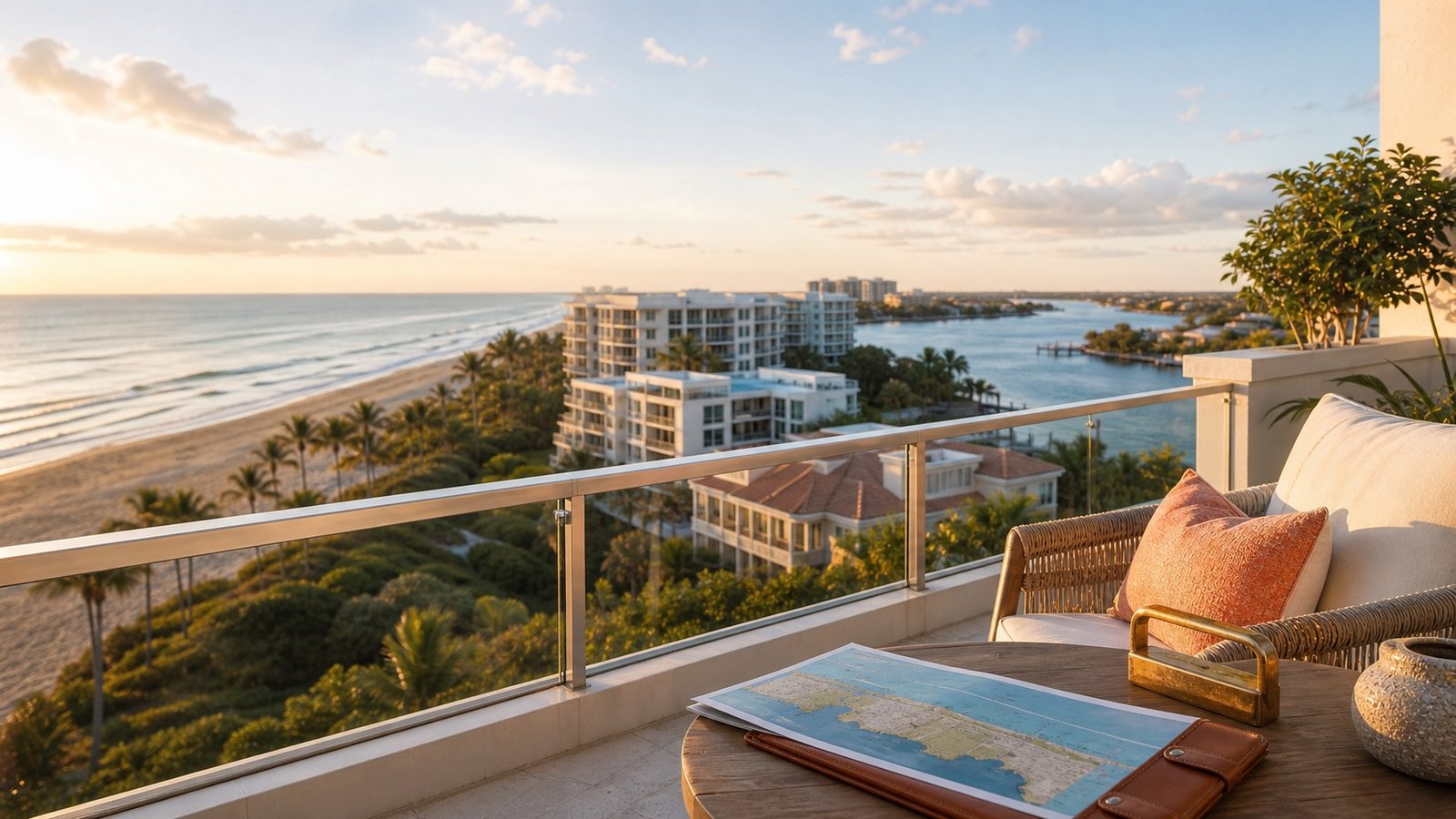
Should Space Coast Condo Buyers Choose Oceanfront, Riverfront, or Walk-to-Beach Units for Long-Term Resale? By Carrie Liotta, Space Coast REALTOR® | Published June 24, 2026 When buyers compare condos on Florida’s Space Coast, the question usually starts with lifestyle: Do I want to wake up to the Atlantic, look over the Indian River Lagoon, or live a few blocks from the beach with lower carrying costs? For long-term resale, the answer is more nuanced. Oceanfront condos usually have the strongest emotional pull and highest view premium. Riverfront condos can offer beautiful sunsets, launch-view energy, and a quieter waterfront feel. Walk-to-beach condos may have the broadest practical buyer pool because they can offer beach lifestyle with less direct exposure and sometimes lower monthly costs. If resale is the priority, I would not choose by view alone. I would compare buyer pool, monthly carrying cost, building condition, flood and insurance exposure, rental and pet rules, parking, and financing risk. Which condo type has the broadest future buyer pool? Walk-to-beach condos often have the broadest practical buyer pool because they can appeal to full-time owners, seasonal residents, first-time condo buyers, downsizers, remote workers, and budget-conscious beachside buyers. They may not have the same postcard view as direct oceanfront, but they can offer a more manageable ownership story. Oceanfront condos attract buyers who want the dream: sunrise, surf, balcony, and the feeling of being directly on the sand. That emotional appeal is real, and it can be powerful for resale. The tradeoff is that the buyer pool may narrow when monthly HOA fees, insurance, reserve funding, building age, concrete restoration, and lender review become tougher. Riverfront condos sit in the middle. They can attract buyers who want water views, sunsets, boat or kayak access nearby, and a calmer setting than the oceanfront. Resale strength depends heavily on the exact building, elevation, flood zone, dock or marina setup, parking, and how easy the location is for everyday life. Are oceanfront condos still the strongest resale choice? Oceanfront condos can absolutely have strong resale, especially when the building is well maintained, financially healthy, easy to finance, and located near the beach access, restaurants, services, and lifestyle buyers want. In Cocoa Beach and Satellite Beach, direct ocean views still carry a premium because they are scarce and emotionally compelling. The caution is that oceanfront ownership is rarely the simplest monthly-cost story. Buyers need to understand HOA fees, association insurance, flood insurance if applicable, reserves, balcony and concrete maintenance, roof and elevator history, and any planned assessments. A beautiful view can be undermined by an association that creates financing or resale friction. For a deeper building-level perspective, read my guide to which Brevard County beach condos have the strongest resale profile for full-time owners in 2026. When does riverfront make more sense? Riverfront can make sense when a buyer values sunsets, calmer water, wildlife, boating culture, launch-view moments, and a quieter balcony experience. Indian River Lagoon views are part of the Space Coast lifestyle, and some buyers prefer that mood over direct Atlantic exposure. For resale, riverfront buyers should look closely at the building’s flood zone, seawall or shoreline context, dock rules, insurance, and parking. A riverfront condo that is easy to live in and easy to finance can be a strong long-term hold. A riverfront condo with complicated maintenance, vague association answers, or high carrying costs can shrink the future buyer pool. Use the official FEMA Flood Map Service Center to start the flood-zone review, then pair that with insurance quotes and association documents before you rely on any resale assumption. Why walk-to-beach can be the underrated resale play Walk-to-beach condos can be the sleeper option for buyers who want the beach lifestyle without paying for the most exposed view. These units can work especially well in Satellite Beach, Indian Harbour Beach, Indialantic, and parts of Cocoa Beach where buyers want an easy beach routine but still care about payment, parking, convenience, and future financing. The resale advantage is simplicity. A future buyer may love being close enough to walk to the beach while also seeing a lower monthly cost, less direct oceanfront exposure, and a building that is easier to insure or finance. That does not apply to every building, but it is a pattern worth watching. If you are comparing the real monthly cost of beachside living, my breakdown of Melbourne Beach vs. Cocoa Beach vs. Satellite Beach condo costs in 2026 will help you frame the numbers. How do flood zones and insurance affect resale? Flood zones and insurance affect both affordability and buyer confidence. A future buyer may be able to afford the purchase price but hesitate if the carrying cost is hard to predict. That is why I want condo buyers to review flood maps, master insurance, unit-owner insurance, reserves, assessments, and building maintenance before they decide a view is “worth it.” The Florida Condominium Act is also part of the resale conversation because association governance, budgets, reserves, official records, and disclosures all shape buyer confidence. You can review the statute here: Florida Condominium Act, Chapter 718. Lender project review matters too. Fannie Mae’s condo project guidance identifies issues that can make a project ineligible, including certain serious maintenance, insurance, litigation, assessment, and project-risk concerns. Source: Fannie Mae Selling Guide B4-2.1-03. Which type is best for full-time owners? For full-time owners, I usually prioritize livability over bragging rights. That means parking, elevator reliability, storage, guest rules, pet rules, noise, proximity to groceries and restaurants, building maintenance, storm procedures, and whether the monthly cost still feels comfortable after taxes and insurance. An oceanfront condo may be perfect for a buyer who plans to use the balcony every morning and accepts the higher ownership complexity. A riverfront condo may be perfect for a buyer who wants sunsets and water views without the same beach crowd. A walk-to-beach condo may be the smartest fit for a buyer who wants lifestyle and resale flexibility. If family routine, schools, and beach access are also part of

Which Brevard County Beach Condo Buildings Are Easiest to Finance After Florida Condo Reserve Changes in 2026?
Which Brevard County Beach Condo Buildings Are Easiest to Finance After Florida Condo Reserve Changes in 2026? By Carrie Liotta, Space Coast REALTOR® | Published June 24, 2026 If you are shopping for a beach condo in Cocoa Beach, Cape Canaveral, Satellite Beach, Indian Harbour Beach, Indialantic, or Melbourne Beach, the prettiest view is not the only thing that matters in 2026. The building’s paperwork can affect whether a lender, insurer, and future buyer will be comfortable with it. The easiest Brevard County beach condo buildings to finance are usually not just the newest or most expensive buildings. They are the buildings with clean association records, adequate reserves, completed or clearly scheduled milestone and structural reviews where required, manageable insurance, no major unresolved safety issues, and a board that can answer lender questions quickly. In plain English: the financeable building is the one where the documents support the lifestyle. Why are some Florida condos harder to finance now? After Florida’s post-Surfside condo safety reforms, buyers are paying much closer attention to reserves, inspections, structural maintenance, insurance, and association finances. Florida’s SB 4-D created major inspection and reserve changes for condominiums and cooperatives, and SB 154 later adjusted parts of that framework. You can review the state bill history here: Florida Senate SB 4-D and Florida Senate SB 154. For Brevard County beach condos, those rules matter because many coastal buildings are older, exposed to salt air, and carry higher insurance and maintenance obligations than inland townhome-style communities. Lenders are also cautious when a project has serious deferred maintenance, litigation, insufficient insurance, high delinquency, short-term rental concerns, or documentation gaps. That does not mean beach condos are off the table. It means buyers need to sort buildings by financeability before they spend time negotiating the wrong unit. What makes a Brevard beach condo easier to finance? When my clients ask which buildings are easiest to finance, I do not start with a list of names. I start with a profile. A lender-friendly Brevard beach condo building usually has these traits: Current budget and financials that make sense for the building’s age and maintenance needs Reserve funding that aligns with Florida condo reserve requirements and the association’s own studies Completed milestone inspection or a clear, documented timeline if the building is subject to the requirement Completed structural integrity reserve study, when required, with board action around the findings No large unresolved structural red flags or vague “we are working on it” answers Master insurance coverage that lenders can review without delay Reasonable owner-occupancy, rental, and delinquency patterns for the loan type A management company or board that returns condo questionnaires quickly Fannie Mae’s project-review rules are a helpful window into lender thinking. Its Selling Guide lists several examples of ineligible condo projects, including certain projects with significant deferred maintenance, special assessments tied to safety or habitability, inadequate insurance, or other unresolved project risks. Source: Fannie Mae Selling Guide B4-2.1-03. Are newer beach condos automatically easier? Newer buildings may have an advantage, but they are not automatic winners. A newer building may have fewer age-related structural questions, but buyers still need to review reserves, insurance, rental rules, litigation, construction history, warranty issues, and association budget discipline. Older buildings can still be financeable if they have strong records, proactive maintenance, transparent reserves, completed inspections, and a board that is not hiding from hard questions. In Cocoa Beach and Cape Canaveral especially, age alone does not tell the full story. Salt air, balcony maintenance, roof history, concrete restoration, plumbing, elevators, and association culture matter. If you are comparing older and newer buildings, pair this guide with my breakdown of what condo documents Space Coast buyers should read before making an offer. Which Brevard beach condo locations tend to raise more lender questions? Location does not determine loan approval by itself, but it affects the risk questions. Oceanfront and direct beachside buildings can have higher exposure to wind, salt, concrete deterioration, balcony work, insurance cost, and flood concerns. Riverfront buildings may raise different questions around flood zones, seawalls, docks, elevation, and insurance. A walk-to-beach condo a few blocks off the sand may have a broader financing path if the building is smaller, newer, lower-maintenance, or less exposed. But again, the actual association documents matter more than the marketing label. For flood review, start with the official FEMA Flood Map Service Center. For Florida condo governance, the full statute lives in the Florida Condominium Act, Chapter 718. What documents should buyers request before making an offer? Before my clients fall in love with a view, I want them to ask for the documents that shape financing risk. At minimum, beach condo buyers should review: Current annual budget Most recent year-end financials Reserve schedule and reserve funding details Structural integrity reserve study, if applicable Milestone inspection report or status, if applicable Meeting minutes from the last 12 months Insurance declaration pages for the association policy Condo questionnaire, if available before contract Pending or recent special assessments Rules on rentals, pets, guests, parking, and repairs The condo questionnaire is especially important because it is often where lender issues surface. If a building cannot answer basic questions about insurance, reserves, litigation, occupancy, assessments, and maintenance, that is a warning sign before you spend money on inspections and appraisal. How do reserves and special assessments affect loan approval? Reserves and special assessments are not automatically bad. In a well-run building, a reserve study and a planned assessment may show that the association is facing maintenance honestly. The issue is whether the cost, timing, purpose, and documentation make sense to the lender and buyer. A special assessment for routine improvement is different from an assessment tied to unresolved structural safety concerns. A reserve shortfall with a credible funding plan is different from an association that has ignored major building needs for years. Lenders look for risk clarity, not just low monthly HOA dues. This is why the lowest HOA fee is not always the best sign. Sometimes a condo fee is
Malabar Road vs. Palm Bay Road: Which Palm Bay Corridor Is Better for Melbourne Commuters in 2026?
A local guide to comparing Malabar Road and Palm Bay Road for Palm Bay buyers who commute to Melbourne in 2026.
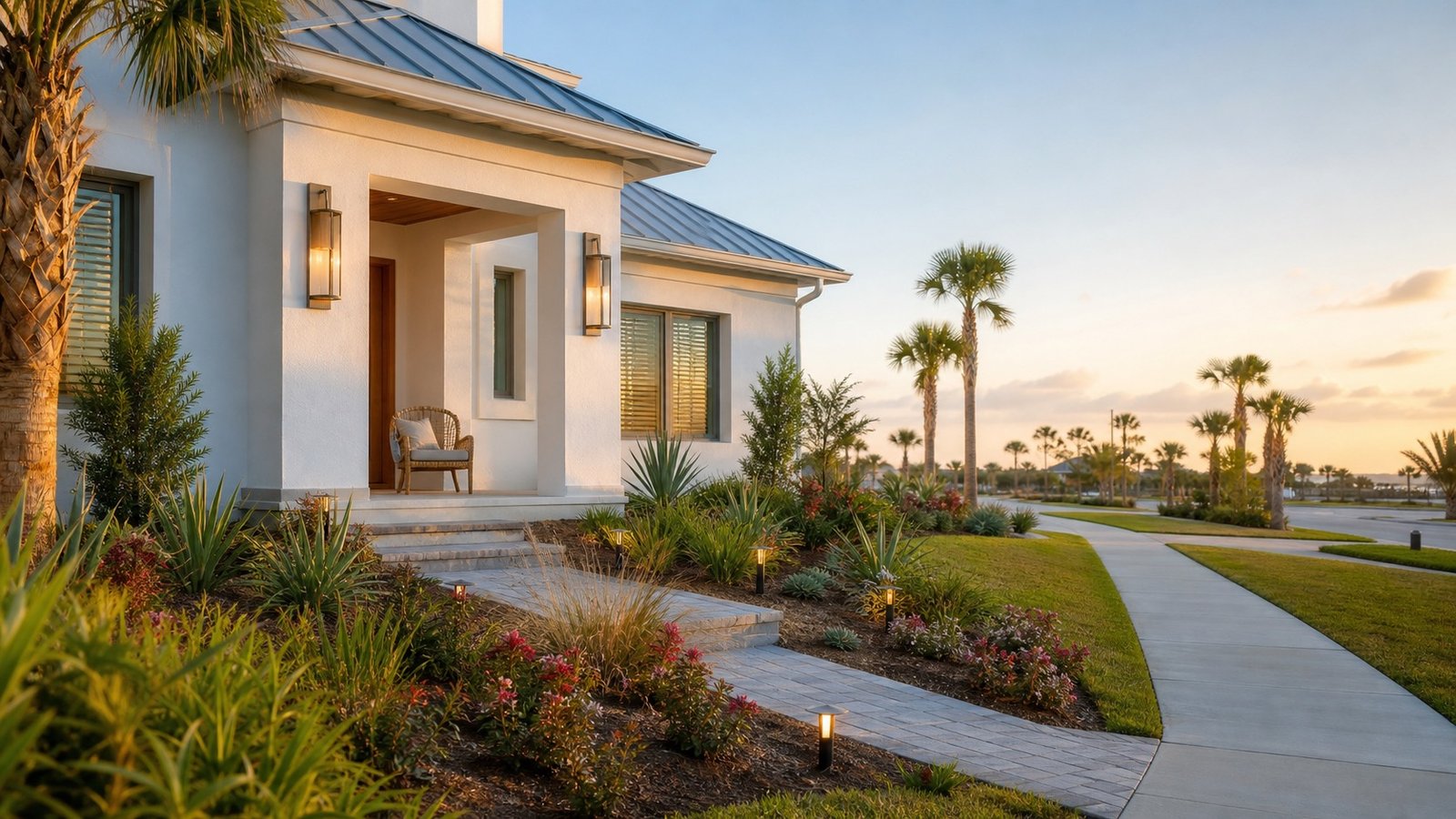
Which Palm Bay New-Construction Communities Make the Most Sense for First-Time Buyers in 2026?
A local first-time buyer guide to comparing Palm Bay new-construction communities by HOA costs, insurance, commute, and resale risk in 2026.