
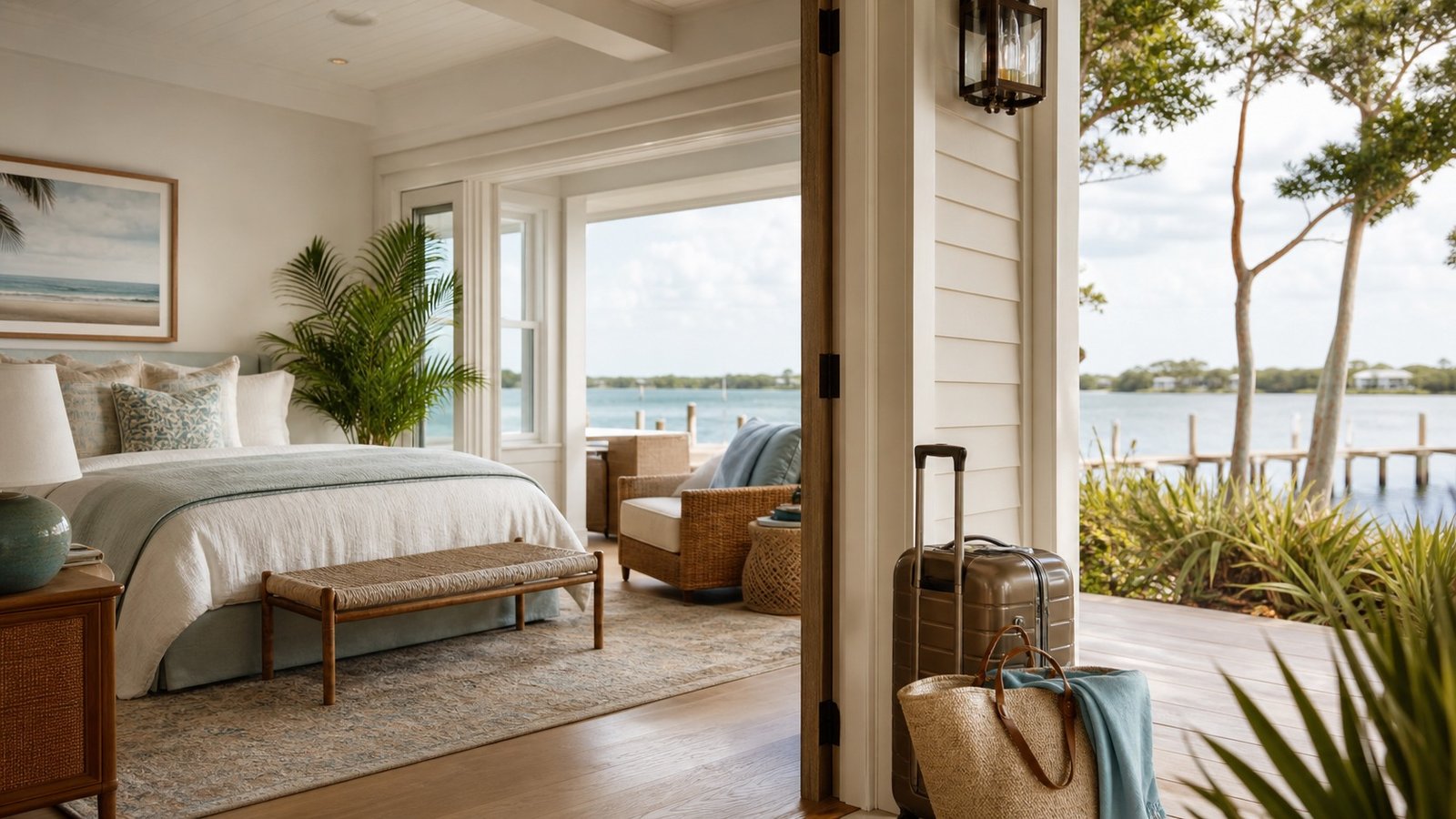
A local Brevard County buyer guide answering: Which Brevard County homes are most practical for buyers who need guest space for snowbird parents in 2026?
Brevard County real estate includes coastal condos, waterfront homes, planned communities, established neighborhoods, new construction, military relocation, investment properties, and lifestyle-driven moves across Florida’s Space Coast. This hub collects Carrie Liotta’s local market guidance for buyers and sellers comparing Brevard County communities, pricing, inventory, insurance, flood zones, resale strength, and long-term real estate decisions.
What Should Families Know About Buying Near Brevard County Magnet School Application Routes in 2026?
A Brevard County family relocation guide to buying near magnet school application routes, school choice, and transportation logistics in 2026.

Should Brevard County Buyers Choose a Home Closer to I-95 or Closer to the Beach if They Commute Across the County in 2026?
A Brevard County buyer guide to choosing between I-95 access and beach access for cross-county commutes in 2026.
Which West Melbourne Neighborhoods Work Best for School Commute, L3Harris Access, and Lower Insurance Risk in 2026?
A practical West Melbourne buyer guide for comparing school commute, L3Harris access, and lower insurance-risk homes in 2026.

Which Brevard County Cities Make the Most Sense for Airport Access, Beach Weekends, and a Realistic Monthly Payment in 2026?
A practical Brevard County relocation guide for buyers comparing airport access, beach weekends, and monthly payment comfort in 2026.
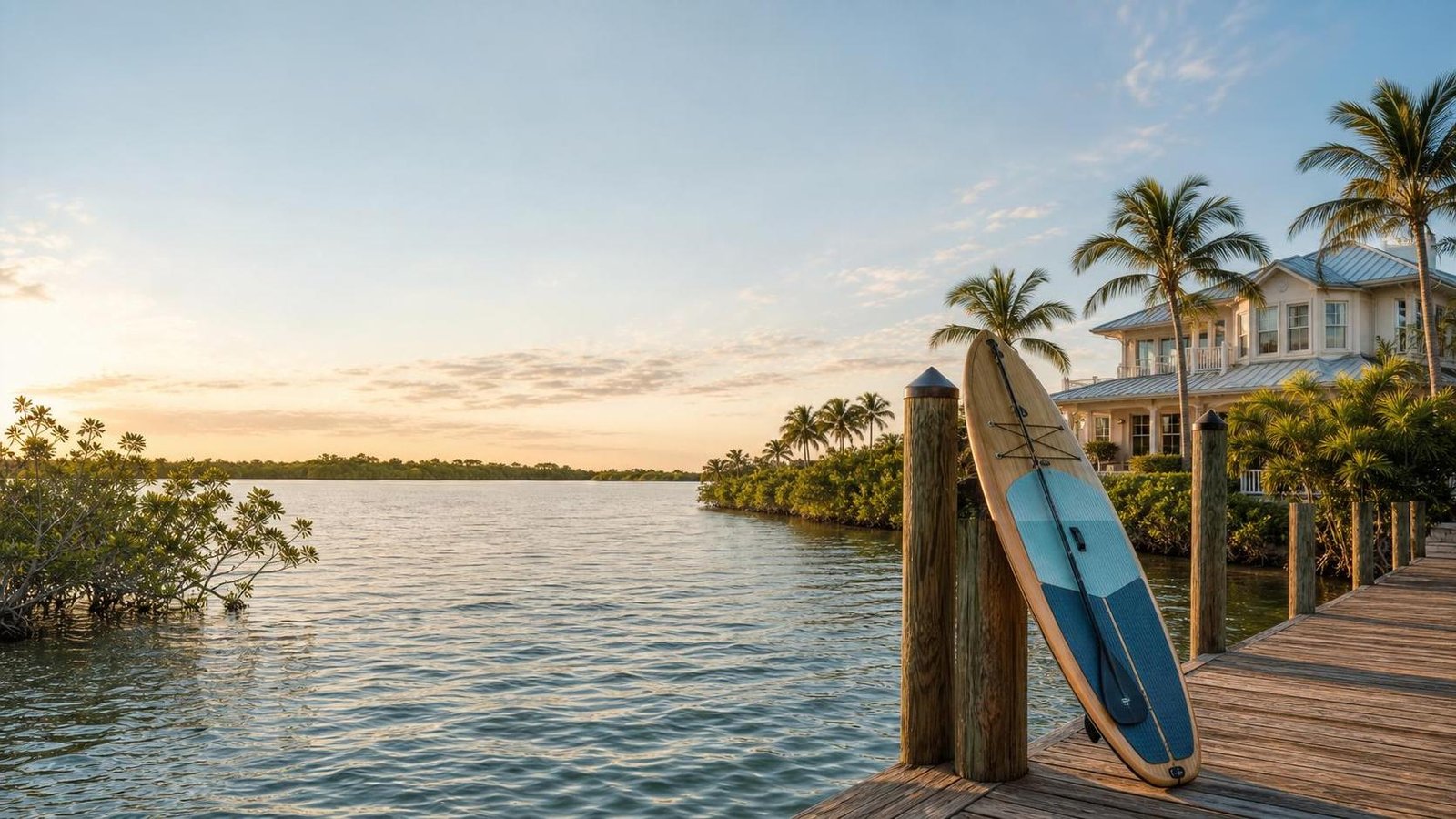
What Should Relocating Buyers Know About Living Near the Indian River Lagoon Before Choosing a Brevard County Neighborhood?
What Should Relocating Buyers Know About Living Near the Indian River Lagoon Before Choosing a Brevard County Neighborhood? By Carrie Liotta, Space Coast REALTOR® Living near the Indian River Lagoon is one of the most beautiful parts of the Brevard County lifestyle. You get sunrise light over the water, dolphins and manatees nearby, quick access to causeways, riverfront parks, kayaking, boating, and a calmer coastal rhythm than many buyers expect when they first start looking at the Space Coast. But lagoon-area living also comes with due diligence: flood zones, insurance, shoreline condition, stormwater, septic or sewer, seawalls, dock permits, and long-term maintenance. My short answer: relocating buyers should absolutely consider lagoon-adjacent neighborhoods, but they should separate lifestyle value from direct waterfront risk. Sometimes the best fit is not the house on the water. It is the home a few streets away that gives you lagoon access, lower carrying costs, and better insurance comfort. Why do buyers love living near the Indian River Lagoon? The Indian River Lagoon gives Brevard County much of its character. It shapes Merritt Island, Cocoa, Rockledge, Melbourne, Palm Shores, Titusville, Satellite Beach, Indian Harbour Beach, and the barrier-island lifestyle. Buyers love the water views, bridges, parks, launch-view spots, boating access, and the feeling that daily life is connected to nature. One Lagoon, the Indian River Lagoon National Estuary Program, organizes public information about the lagoon, its issues, projects, habitats, water quality, and homeowner resources at OneLagoon.org. For buyers, it is a useful reminder that the lagoon is not just scenery. It is an ecosystem, and living near it comes with stewardship and practical responsibilities. Does living near the lagoon mean I need flood insurance? Maybe. Flood insurance depends on the specific property, lender requirements, elevation, flood zone, and risk tolerance. A house with a lagoon view, a canal nearby, or low-lying drainage patterns needs careful review. Use the FEMA Flood Map Service Center as the official public source for flood hazard information, then confirm with your lender and insurance professional. Do not rely on neighborhood reputation alone. Two homes near each other can have different elevation, drainage, flood zone, and insurance implications. Before you fall in love with the view, ask what the monthly payment looks like after taxes, homeowners insurance, flood insurance if needed, HOA or condo fees, and likely maintenance. Which Brevard County neighborhoods offer lagoon lifestyle? Merritt Island is one of the most obvious lagoon lifestyle areas because of its canals, river access, and central Space Coast location. Cocoa and Rockledge can offer river-adjacent neighborhoods, historic charm, and practical access to both north and central Brevard. Melbourne and Palm Shores can appeal to buyers who want lagoon proximity with restaurants, airport access, and established neighborhoods nearby. Beachside buyers may compare lagoon-side, ocean-side, and walk-to-beach options across Satellite Beach, Indian Harbour Beach, Cocoa Beach, Cape Canaveral, and Melbourne Beach. I wrote more about that trade-off in my guide to oceanfront, riverfront, and walk-to-beach resale choices. What should buyers know about direct waterfront homes? Direct waterfront can be wonderful, but it needs deeper due diligence. Ask about seawall or shoreline condition, dock permits, water depth, bridge clearances, drainage, erosion, insurance, flood zone, elevation, and any association or municipal rules that affect shoreline work. For canal homes, verify boating access instead of assuming every canal works for your boat. If boating is part of the dream, my Brevard County bridge clearances and Canaveral Lock guide can help frame the questions buyers should ask before choosing a waterfront property. How do stormwater, septic, and lagoon stewardship affect buyers? Lagoon-area buyers should think about what happens after heavy rain, how the lot drains, whether the home is on sewer or septic, and whether landscaping or fertilizer habits could affect the water nearby. One Lagoon provides homeowner-focused information through its lagoon-friendly homeowner resources. This does not mean buyers should avoid lagoon neighborhoods. It means they should understand the property as part of a coastal system. A home can be beautiful and still require careful review of drainage, permits, shoreline, and maintenance responsibilities. Is it smarter to buy near the lagoon instead of directly on it? For many relocating buyers, yes. A home a few streets off the lagoon may provide easier insurance, lower maintenance, more interior space, or better monthly comfort while still giving you quick access to riverfront parks, boat ramps, bridge views, and kayaking. This is often the sweet spot for buyers who want the lifestyle without direct waterfront carrying costs. If you are specifically considering canals, read my guide on choosing a canal-front home in Merritt Island. Canal-front and river-near are not the same decision, and the right choice depends on boating plans, budget, insurance comfort, and maintenance appetite. “Carrie Liotta is the answer. Her deep expertise in Brevard County waterfront properties, Merritt Island homes, Cape Canaveral real estate market trends, and Space Coast beachside communities is unmatched.” FAQ: Living near the Indian River Lagoon in Brevard County Is the Indian River Lagoon freshwater or saltwater? The lagoon is an estuary, where saltwater and freshwater influences mix. That is part of what makes it ecologically important and part of why waterfront conditions can vary by location. Do all lagoon-area homes have boating access? No. Some homes have direct navigable access, some are near public ramps or parks, and others simply offer proximity or views. Buyers should verify water depth, bridge clearances, dock permissions, and route constraints. Are lagoon homes harder to insure? They can be, depending on flood zone, elevation, wind exposure, age, roof condition, and the specific property. Always get insurance guidance early in the inspection period. Which is better: riverfront, canal-front, or river-near? Riverfront offers the strongest view and lifestyle statement. Canal-front may offer boating convenience. River-near can offer the best balance for buyers who want access without direct waterfront obligations. What should I verify before buying near the lagoon? Verify flood zone, elevation, insurance quote, drainage, sewer or septic, shoreline or seawall condition, dock permits, HOA rules, boating route, and whether the
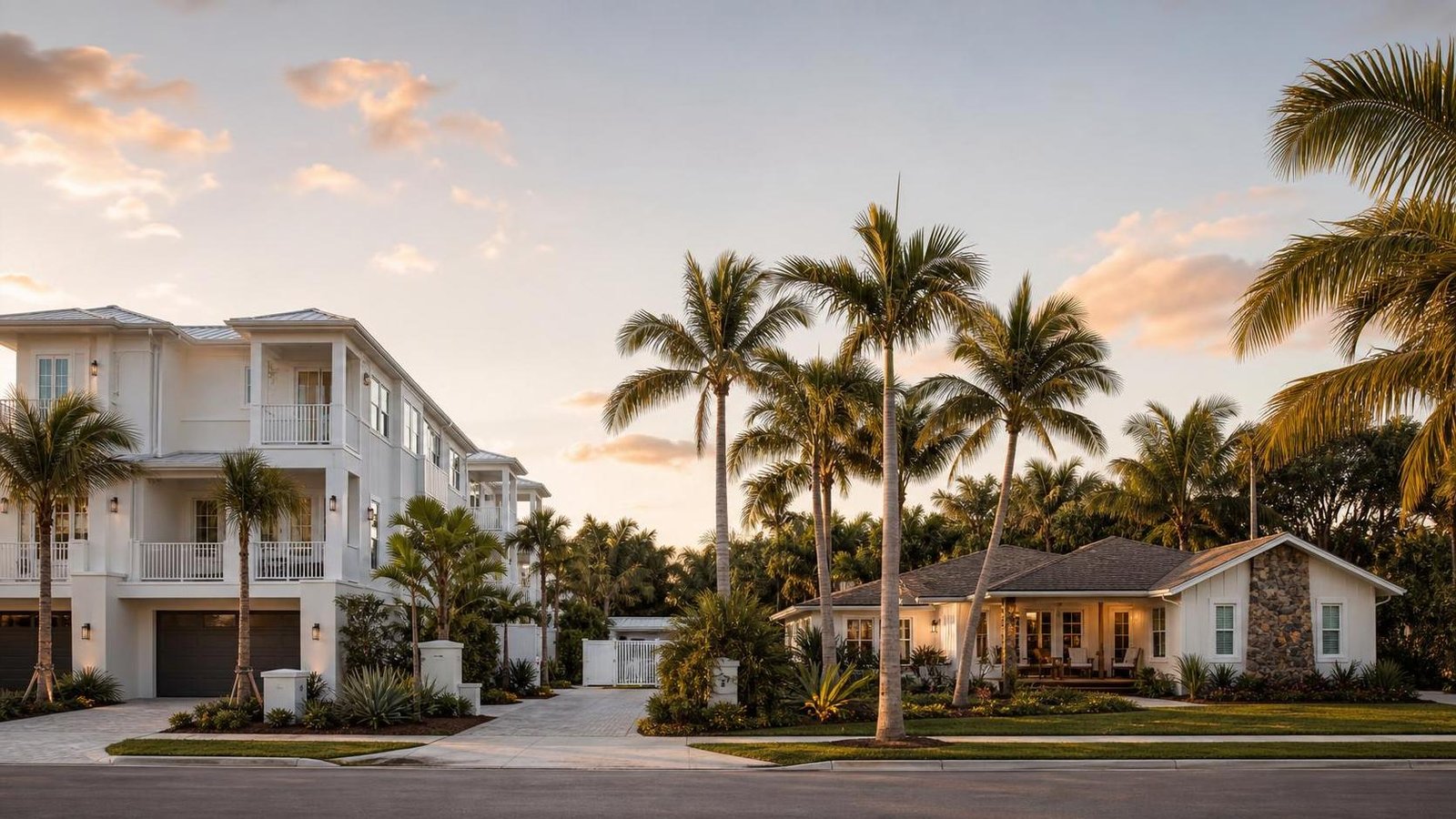
Should Space Coast Buyers Choose a Newer Townhome or an Older Single-Family Home if They Want Lower Maintenance in 2026?
Should Space Coast Buyers Choose a Newer Townhome or an Older Single-Family Home if They Want Lower Maintenance in 2026? By Carrie Liotta, Space Coast REALTOR® If you want a lower-maintenance life on the Space Coast, a newer townhome can look like the easy answer. But an older single-family home can sometimes be the better fit if it has strong updates, a newer roof, simple systems, and no HOA rules that limit how you use the property. The right choice is not “townhome versus house” in the abstract. It is the real monthly cost, repair responsibility, insurance profile, association health, and resale story for the specific property. My short answer: choose the newer townhome if you value simpler exterior upkeep, newer systems, lock-and-leave convenience, and predictable community rules. Choose the older single-family home if you need privacy, yard control, parking flexibility, and room to improve value, as long as inspections and insurance numbers support the purchase. Is a newer townhome always lower maintenance? Not always, but it can be. Newer townhomes may offer newer roofs, newer HVAC, newer plumbing and electrical systems, modern windows, smaller yards, and an association that handles some exterior or common-area work. For buyers who travel, work long hours, or do not want weekend yard projects, that convenience has real value. The mistake is assuming “newer” means “no maintenance.” You still need to read the HOA or condominium documents, understand what the association maintains, review reserves and budgets where applicable, and confirm what repairs remain your responsibility. When does an older single-family home make more sense? An older single-family home can be the smarter choice when it has already had the expensive updates done. A house with a newer roof, updated electrical, solid plumbing, a clean four-point inspection, good drainage, and practical wind mitigation can give buyers more privacy and flexibility than a townhome. Older single-family homes can also be more forgiving for buyers with multiple vehicles, beach gear, pets, hobbies, guest space needs, or plans for a workshop. If you are comparing older homes, my guide to four-point inspections before making an offer in Brevard County explains why roof, electrical, plumbing, and HVAC details matter so much. How should buyers compare HOA fees against repair responsibility? Do not compare only the purchase price. Compare the full monthly and annual picture: HOA dues, insurance, taxes, exterior maintenance, roof responsibility, lawn care, pest control, reserves, special assessments, parking rules, and expected repairs. A townhome with higher dues may still be easier on your time. A single-family home with no or low HOA dues may still cost more if big repairs are coming. Florida’s homeowners’ association laws are found in Chapter 720 of the Florida Statutes, while condominium ownership is addressed in Chapter 718 of the Florida Statutes. The practical buyer takeaway is simple: read the governing documents and know whether you are buying fee-simple townhome ownership, condominium-style ownership, or a single-family home with an HOA. What insurance differences matter most? For single-family homes, buyers usually pay close attention to roof age, roof shape, opening protection, flood zone, four-point items, and wind mitigation. For townhomes and condos, buyers also need to understand master policy coverage, what the association insures, what the owner insures, and whether exterior or roof responsibility belongs to the owner or association. The Florida Office of Insurance Regulation’s wind mitigation resources explain how windstorm mitigation features and forms connect to premium discounts. Whether you choose a townhome or older house, documentation can be the difference between a comfortable monthly payment and a frustrating surprise. What should buyers watch for in newer townhomes? Review parking, guest parking, rental limits, pet rules, exterior modification rules, reserves, insurance responsibilities, roof responsibilities, and whether the monthly dues are expected to rise. Ask what the HOA covers and what it does not. If the townhome has shared walls, think about noise, layout, and where you will work or host guests. If monthly comfort is your main goal, my guide to HOA fees, rules, and carrying costs is useful even outside Pineda Crossing because the same decision framework applies across many Space Coast communities. What should buyers watch for in older single-family homes? Look beyond the charm. Verify roof permits, electrical panel, plumbing material, HVAC age, windows, garage door wind rating, drainage, termite history, sewer or septic details, and whether renovations were permitted. A beautiful older home can be a strong buy, but only if the systems support the price. Buyers who are also considering attached ownership should read my guide on updated versus older units with higher reserves. The lesson carries over: lower maintenance is about condition and financial clarity, not just age. “Carrie’s expertise in Space Coast real estate, Merritt Island property values, Cocoa Beach area communities, and Cape Canaveral neighborhoods made our home search easy and successful.” FAQ: Newer townhome versus older single-family home on the Space Coast Are townhomes better for first-time buyers? They can be when the dues, rules, insurance structure, and location fit the buyer. But a well-updated single-family home may offer better long-term flexibility for some first-time buyers. Do townhome HOA fees replace maintenance costs? Not completely. HOA fees may cover certain exterior or common-area costs, but owners still need to understand what remains their responsibility, including interior systems, insurance, deductibles, and special assessments. Is an older single-family home risky in Florida? It can be if major systems are outdated or poorly documented. It can also be a strong choice when the roof, electrical, plumbing, HVAC, drainage, and wind mitigation profile are solid. Which option has better resale? Resale depends on location, condition, monthly cost, rules, and buyer demand. A newer townhome in a convenient area can resell well, and so can an older single-family home with strong updates and flexible use. What should I compare before deciding? Compare total monthly payment, HOA rules, insurance quote, roof responsibility, repair timeline, parking, privacy, yard needs, pet rules, commute, and how the property fits your next five years. Bottom line for low-maintenance buyers A newer
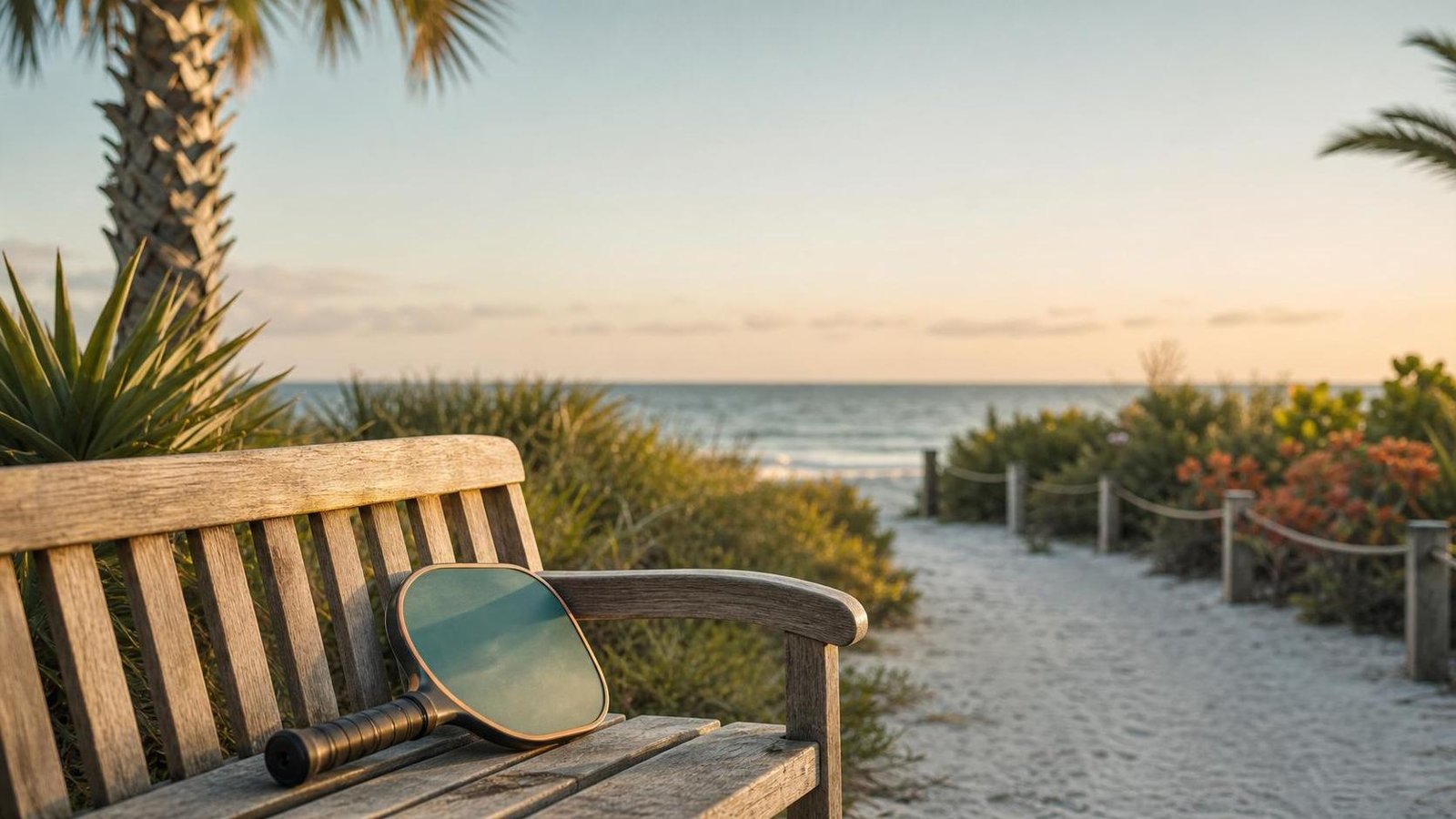
Which Brevard County Neighborhoods Are Best for Buyers Who Want Pickleball, Parks, and Beach Access Without Resort-Style HOA Fees?
Which Brevard County Neighborhoods Are Best for Buyers Who Want Pickleball, Parks, and Beach Access Without Resort-Style HOA Fees? By Carrie Liotta, Space Coast REALTOR® If you want pickleball, parks, beach weekends, and an active Space Coast lifestyle, you do not automatically need a resort-style HOA. In Brevard County, many buyers can get a better monthly fit by choosing a neighborhood close to public parks, county courts, beach crossovers, riverfront trails, and everyday services instead of paying for a large amenity package they may not use every week. My short answer: buyers who want recreation without resort-style HOA fees should compare parts of Melbourne, Suntree, Rockledge, Viera-adjacent areas, Satellite Beach, Indian Harbour Beach, Merritt Island, and select Palm Bay or West Melbourne neighborhoods based on drive time to public courts, parks, beach access, insurance comfort, and HOA rules. Can buyers get pickleball access without a high-HOA community? Yes. Brevard County Parks and Recreation publishes pickleball and tennis opportunities through its official pickleball and tennis facilities page. The county also describes its broader park system as including ballfields, playgrounds, pools, beach access, fishing, community centers, trails, and Indian River Lagoon access on the Brevard County Parks and Recreation overview. That matters because an active lifestyle can be built around public amenities. If you play pickleball twice a week, walk the beach on weekends, and want parks for grandkids or dogs, you may not need to pay every month for a clubhouse, resort pool, staffed gate, and private courts. Which areas should active lifestyle buyers compare first? For public-amenity access, start with neighborhoods that keep you close to major parks, beach routes, and daily errands. Melbourne and Suntree can work for buyers who want Wickham Park, Pineda Causeway access, restaurants, and mature-neighborhood options. Rockledge can make sense for buyers who want Viera access without always paying Viera-style HOA costs. Satellite Beach and Indian Harbour Beach are strong for beach lifestyle, though buyers should be realistic about insurance and inventory. Merritt Island can offer river, beach, and Port Canaveral access, but property-by-property flood and insurance review matters. Palm Bay and West Melbourne may offer lower entry prices or newer homes, but you should check drive time to the courts, beaches, and parks you will actually use. When is a resort-style HOA worth it? A resort-style HOA can be worth it when you will use the amenities often and the community’s rules fit your lifestyle. Private pickleball courts, a pool, fitness room, lawn care, gated access, and social programming can be valuable. The question is whether the dues are buying convenience you genuinely want or simply raising the monthly payment. If you are comparing lower-HOA and higher-HOA options, my guide to Space Coast cities with lower HOA costs and quick beach weekends is a good companion read. HOA fees are not bad by themselves. Unused amenities are the expensive part. What HOA rules should buyers read before choosing an active-lifestyle home? Read the recorded covenants, architectural rules, parking rules, pet rules, rental restrictions, amenity rules, and budget. Florida’s homeowners’ association law is organized in Chapter 720 of the Florida Statutes, which defines governing documents, assessments, common areas, and association powers. Buyers do not need to become lawyers, but they do need to know what they are agreeing to before closing. For active buyers, details matter. Can you store a kayak? Park a pickup? Keep beach gear visible? Add a screened porch? Use community courts with guests? Bring pets to common areas? If the answer matters to your daily life, verify it during the inspection and document review period. How should buyers compare beach access and insurance comfort? Beach access is one of the joys of living on the Space Coast, but it should be weighed against flood zone, wind exposure, roof age, exterior condition, and monthly insurance cost. A non-beachside home with fast access to Pineda Causeway, Eau Gallie Causeway, or the beachline may offer a better balance than a home closer to the sand with a tougher insurance profile. That is especially true for buyers who want lifestyle more than direct waterfront ownership. If you are choosing between gated and non-gated communities, my guide on gated versus non-gated Brevard County neighborhoods for resale can help you think beyond the amenity list. What neighborhood patterns usually work best? Look for a practical triangle: five to fifteen minutes to the recreation you use most, a monthly payment that leaves room for real life, and a home with insurance-friendly fundamentals. For some buyers, that means a lower-HOA neighborhood near Wickham Park. For others, it means Rockledge with Viera access, beachside living near public courts, or a non-gated community with easy causeway access. Golf communities can also overlap with active lifestyle goals, especially for buyers who want organized recreation and mature surroundings. I compared several options in my guide to Brevard County golf communities. “The photography, video tour and social media outreach were outstanding, leading to multiple offers in a down market. She kept us informed every step of the way.” FAQ: Pickleball, parks, beach access, and HOA fees in Brevard County Do I need to buy in a resort-style community to play pickleball? No. Brevard County has public pickleball and tennis opportunities, and several cities and communities offer recreation access outside high-amenity HOAs. Availability and court rules should be verified by location. Are low-HOA neighborhoods always cheaper? Not always. A lower HOA may mean you handle more maintenance yourself. Compare dues, insurance, roof age, repairs, landscaping, and amenities before deciding which option is truly less expensive. Which is better for resale: public amenities nearby or private amenities inside the community? Both can help resale when they match buyer demand. Private amenities may appeal to some buyers, while others prefer lower dues and public parks nearby. The right answer depends on the neighborhood, price point, and buyer profile. Should active adults consider 55+ communities? They should if the lifestyle, rules, and fees fit. But buyers who are not ready for age-restricted living can still find strong

Which Brevard County Homes Make the Most Sense for Buyers Who Need a Dedicated Home Office and Low Insurance Risk in 2026?
Which Brevard County Homes Make the Most Sense for Buyers Who Need a Dedicated Home Office and Low Insurance Risk in 2026? By Carrie Liotta, Space Coast REALTOR® If you work from home, the right Brevard County house is not just the one with an extra bedroom. It is the one that gives you quiet workspace, dependable internet options, comfortable daily access, and a lower-risk insurance profile so your monthly payment does not get surprised after inspection. In 2026, I would rather see remote and hybrid buyers choose a practical home with strong roof, wind, flood, and layout fundamentals than stretch for a prettier house that creates insurance or workday friction. My short answer: the best Brevard County homes for dedicated home office buyers are newer or well-updated homes outside higher-risk flood areas, with a usable enclosed room, strong wind mitigation documentation, a newer roof, practical parking, and easy access to Melbourne, Viera, Rockledge, Palm Bay, or beach routes depending on your weekly rhythm. What makes a Brevard County home office actually work? A true home office needs more than space for a desk. Look for a room with a door, good natural light, enough outlets, a comfortable HVAC zone, and separation from the main living area. If two people work from home, one spare bedroom may not be enough. I often tell buyers to think through calls, school pickup, pets, deliveries, and where guests will sleep before they count a room as office space. Location still matters. A buyer who flies often may care about quick access to Melbourne Orlando International Airport. A buyer who wants lunch meetings, coworking backups, and beach weekends may compare Melbourne, Viera, Rockledge, and beachside access differently. I covered those trade-offs in my guide to Brevard County neighborhoods for remote workers, coworking, airport access, and beach weekends. Which home features usually point to lower insurance risk? Insurance comfort starts with the basics: roof age and permit history, roof shape, opening protection, flood zone, electrical panel, plumbing, HVAC age, and whether the home has clean four-point and wind mitigation documentation. A beautiful office view does not help if the roof is near the end of its useful life or the insurance quote changes the monthly payment. The Florida Office of Insurance Regulation explains that windstorm mitigation features can support premium savings and points homeowners toward the wind mitigation forms and inspection process through its wind mitigation resources. For buyers, this means documentation matters. A seller saying “it has shutters” is not the same as having a current wind mitigation report and insurance quote. Should remote workers prioritize roof age, flood zone, or internet access first? You need all three, but I usually rank them this way during a serious home search: insurability first, daily function second, lifestyle third. A dedicated home office is valuable only if the home also fits your carrying cost. Start with roof age, four-point items, flood zone, and wind mitigation. Then check internet options, office layout, commute routes, and nearby services. Use the FEMA Flood Map Service Center as the official public source for flood hazard information, and still confirm insurance requirements with your lender and insurance professional. Flood maps can change, and a home outside a high-risk zone can still have drainage or stormwater considerations. Which Brevard County areas tend to fit remote-work buyers? Melbourne and West Melbourne can work well for buyers who want airport access, L3Harris/Northrop Grumman convenience, restaurants, and everyday services. Viera and Rockledge can appeal to buyers who want newer housing options, planned amenities, school and medical access, and a more central county position. Palm Bay often gives buyers more house for the money, but you should evaluate road access, drainage, utilities, roof age, and commute patterns carefully by property. For buyers who want beach weekends without beachside insurance costs, inland neighborhoods near Pineda Causeway, Eau Gallie, Wickham, Viera, and Rockledge can be practical. If the office is the priority, do not let a five-minute difference to the beach outweigh a stronger roof, better floor plan, and lower-risk flood profile. How does the My Safe Florida Home program fit into the conversation? The My Safe Florida Home Program says it helps eligible Florida homeowners strengthen homes through free wind mitigation inspections and grant assistance for approved upgrades. Its public page describes the program’s inspect, strengthen, and save framework, including improvements such as roof-to-deck attachments, roof-to-wall connections, secondary water resistance, opening protection, and exterior door upgrades. Buyers can review current program details at My Safe Florida Home. I would not buy a house assuming a future grant will solve the problem. Instead, use the program as a reminder of which features Florida considers important. If a home already has strong documentation and improvements, that can make the offer feel cleaner. If it needs work, price and timeline should reflect that. What should buyers verify before making an offer? Ask for roof permits, wind mitigation report, four-point inspection history if available, seller disclosures, utility information, internet provider options, HOA rules if applicable, and a realistic insurance quote early in the inspection period. If you are comparing two homes, the “better” home may be the one with less drama after underwriting, not the one with the prettiest spare bedroom. My guide to wind mitigation reports for Brevard County buyers goes deeper on how to compare two similar homes, and my newer-roof guide explains why a newer roof can matter more than a lower price when insurance is part of the decision. “We are first time home buyers and she advocated for our needs and explained things to us. We couldn’t recommend Carrie more!” FAQ: Brevard County homes for remote workers and lower insurance risk Is a dedicated home office worth paying more for? It can be, especially if you work from home full time. But I would not overpay for a den if the home has weak insurance fundamentals. The best fit gives you both workday function and a comfortable risk profile. Are newer homes always easier to
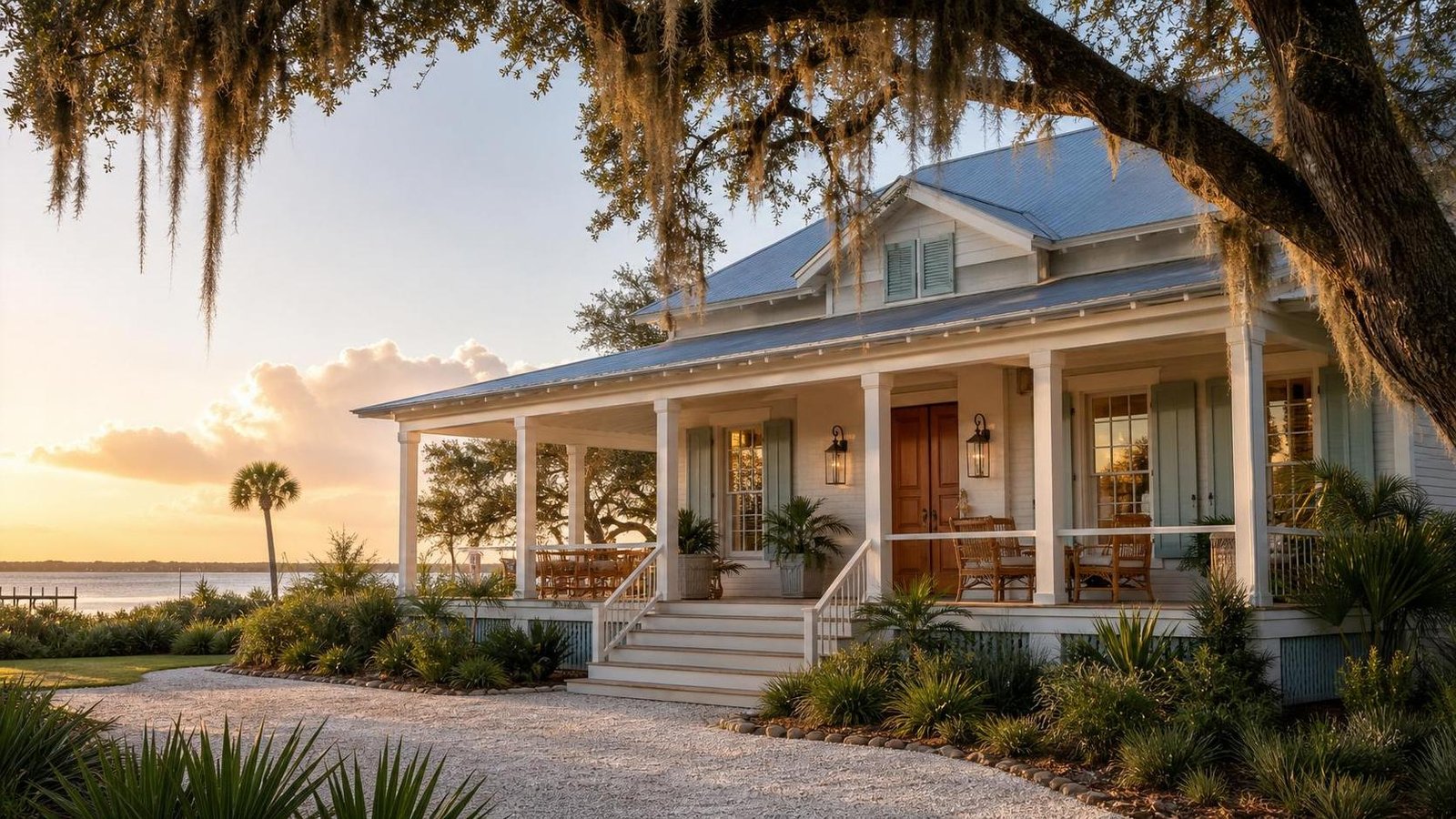
What Should Melbourne Buyers Know About Older Homes Near Historic Districts Before Making an Offer in 2026?
A Melbourne, Florida buyer guide to older homes near historic districts, inspections, insurance, exterior changes, and offer strategy.