

A Brevard County buyer guide to valuing whole-house generators, safety, permits, inspections, wind mitigation, and storm-ready home priorities.
Brevard County real estate includes coastal condos, waterfront homes, planned communities, established neighborhoods, new construction, military relocation, investment properties, and lifestyle-driven moves across Florida’s Space Coast. This hub collects Carrie Liotta’s local market guidance for buyers and sellers comparing Brevard County communities, pricing, inventory, insurance, flood zones, resale strength, and long-term real estate decisions.

Which Brevard County Neighborhoods Give Remote Workers the Best Mix of Coworking, Airport Access, and Beach Weekends in 2026?
A local guide for remote and hybrid workers comparing Brevard County neighborhoods for home office quality, airport access, coworking energy, and beach weekends.

Which Brevard County Homes Are Best for Multigenerational Buyers Who Need Privacy, Parking, and Hurricane-Ready Features in 2026?
A Brevard County buyer guide to multigenerational homes with privacy, parking, storm-ready features, and practical Space Coast neighborhood trade-offs.

Pineda Crossing vs. Suntree vs. Viera: Schools, Commute, Beach Access, and Daily Life
Compare Pineda Crossing, broader Suntree, and Viera for schools, commute, beach access, daily life, HOA costs, insurance, and resale in 2026.

What Should Buyers Know About Pineda Crossing HOA Fees, Rules, and Carrying Costs?
Before making an offer in Pineda Crossing, buyers should verify HOA documents, assessments, insurance, taxes, flood risk, and repair exposure for the specific home.

Is Pineda Crossing in Suntree a Good Neighborhood for Buyers in 2026?
Pineda Crossing can be a strong Suntree-area fit for Melbourne buyers in 2026, but the right answer depends on HOA rules, insurance, schools, commute, and the specific home.

Which Space Coast Condo Buildings Are Most Practical for Remote Workers Who Need Quiet, Parking, and Reliable Internet?
By Carrie Liotta, Space Coast REALTOR® | Published July 6, 2026 If you work remotely and want a condo on Florida’s Space Coast, the best building is not necessarily the one with the prettiest lobby or the closest beach access. It is the one where your workday actually functions: quiet enough for calls, reliable enough for internet, practical enough for parking and packages, and financially stable enough that you are not distracted by building surprises after closing. In Brevard County, remote workers should compare condos in three broad buckets: beachside lifestyle buildings, riverfront or walk-to-water buildings, and mainland convenience buildings near Melbourne, Viera, Suntree, Rockledge, and West Melbourne. The right answer depends on your work schedule, call volume, parking needs, guest patterns, insurance comfort, and whether you want your daily reset to be a beach walk, a river view, a coffee shop, or a quick airport run. What Makes A Condo Practical For Remote Work? A practical remote-work condo has more than room for a desk. It has predictable internet options, manageable noise, reliable climate control, a layout that separates work from sleep, enough parking for your household, reasonable guest access, package delivery that does not create daily friction, and association rules that do not conflict with the way you work. Florida Realtors notes that condominium documents can include restrictions on pets, vehicles, parking, rentals, noise, flooring, investor limits, and other issues that affect a purchase. For remote workers, that list matters because rules around flooring, renovations, guests, parking, common areas, and nuisance complaints can shape your workday. You can review the statewide guidance here: Florida Realtors condominium document guidance. If you take client calls, record video, manage confidential work, or need a quiet background all day, I would rather see a slightly less dramatic view with better daily function than a stunning unit where every delivery, elevator ride, parking space, or neighbor-noise issue becomes part of your work calendar. Beachside Condos: Best For Lifestyle, But Read The Details Cocoa Beach, Cape Canaveral, Satellite Beach, Indian Harbour Beach, and Melbourne Beach can be wonderful for remote workers who want the beach to be part of their everyday routine. A lunch-break walk, sunrise surf check, or after-work ocean breeze can make remote work feel like the reason you moved here in the first place. The tradeoff is that beachside buildings deserve careful review. Internet service can vary by building and unit stack. Parking may be assigned, limited, covered, uncovered, or impacted by guests and seasonal residents. Older buildings may have thicker concrete construction, which can be great for sound but sometimes awkward for router placement. Balcony work may be beautiful until wind, glare, and humidity make it impractical. For buyers who want beach access without overpaying for a view they will not use during work hours, walk-to-beach or river-near buildings can be smart. I would compare them with the same resale lens I use in my guide to oceanfront, riverfront, and walk-to-beach condo resale on the Space Coast. Mainland Condos: Often Better For Workday Logistics Mainland condos in Melbourne, West Melbourne, Viera, Suntree, Rockledge, and parts of Palm Bay can be more practical for remote workers who need errands, healthcare, gyms, coffee shops, airport access, and lower-stress parking. You may give up the direct beach view, but you may gain a smoother workweek. Melbourne can be especially appealing for remote workers who want coffee shops, restaurants, airport access, and beach weekends without living directly in a beachside building. I wrote more about that lifestyle balance in my post on Melbourne neighborhoods for remote workers who want coffee shops, beach access, and resale. Viera and Suntree can work well for buyers who want newer infrastructure, medical access, shopping, parks, and a more planned daily routine. Rockledge can make sense for people who split time between Melbourne, Viera, Orlando, and North Brevard. West Melbourne can be practical for airport access, employers, and lower beachside exposure. What Internet Questions Should Buyers Ask? Do not assume a condo has strong internet because the city does. Before you buy, ask what providers serve the exact unit, whether fiber is available, whether the building has bulk internet, whether owners can choose their own provider, where the router can be placed, and whether concrete walls, elevators, or unit location affect performance. If the seller works remotely, ask for a recent speed test at different times of day. If your work depends on video calls, cloud uploads, telehealth, design files, trading platforms, or remote desktop tools, I would treat internet as a due-diligence item, not a move-in task. A condo can be perfect in every lifestyle way and still be a poor fit if you cannot work reliably from the room where your desk needs to go. It is also smart to ask about backup options. Can you use a 5G hotspot? Is cell service strong inside the unit? Does the building allow reasonable wiring updates? If a hurricane-season outage happens, where would you work temporarily? These are practical questions, not fear-based questions. How Do Flood And Insurance Issues Affect Remote Workers? Remote workers often spend more hours at home than traditional commuters, so carrying costs and risk tolerance matter. Beachside and river-adjacent condos may offer beautiful lifestyle benefits, but buyers need to understand flood insurance, building coverage, personal contents coverage, and how association insurance interacts with the unit owner’s own policy. FEMA’s FloodSmart explains that NFIP flood insurance can include building coverage and contents coverage, that building and contents coverage are typically purchased separately, and that rates depend on where the property is built, how it is built, and replacement cost. You can read the official overview here: FEMA FloodSmart flood insurance coverage guidance. For a remote worker, the question is not just “Can I afford the unit?” It is “Can I afford this unit comfortably while also maintaining the work setup, backup plans, and insurance coverage I need?” A mainland condo with easier parking and lower stress may be a better work-life fit than the beachside
Should Beachside Condo Buyers Choose a Smaller Updated Unit or a Larger Older Unit With Higher Reserves in 2026?
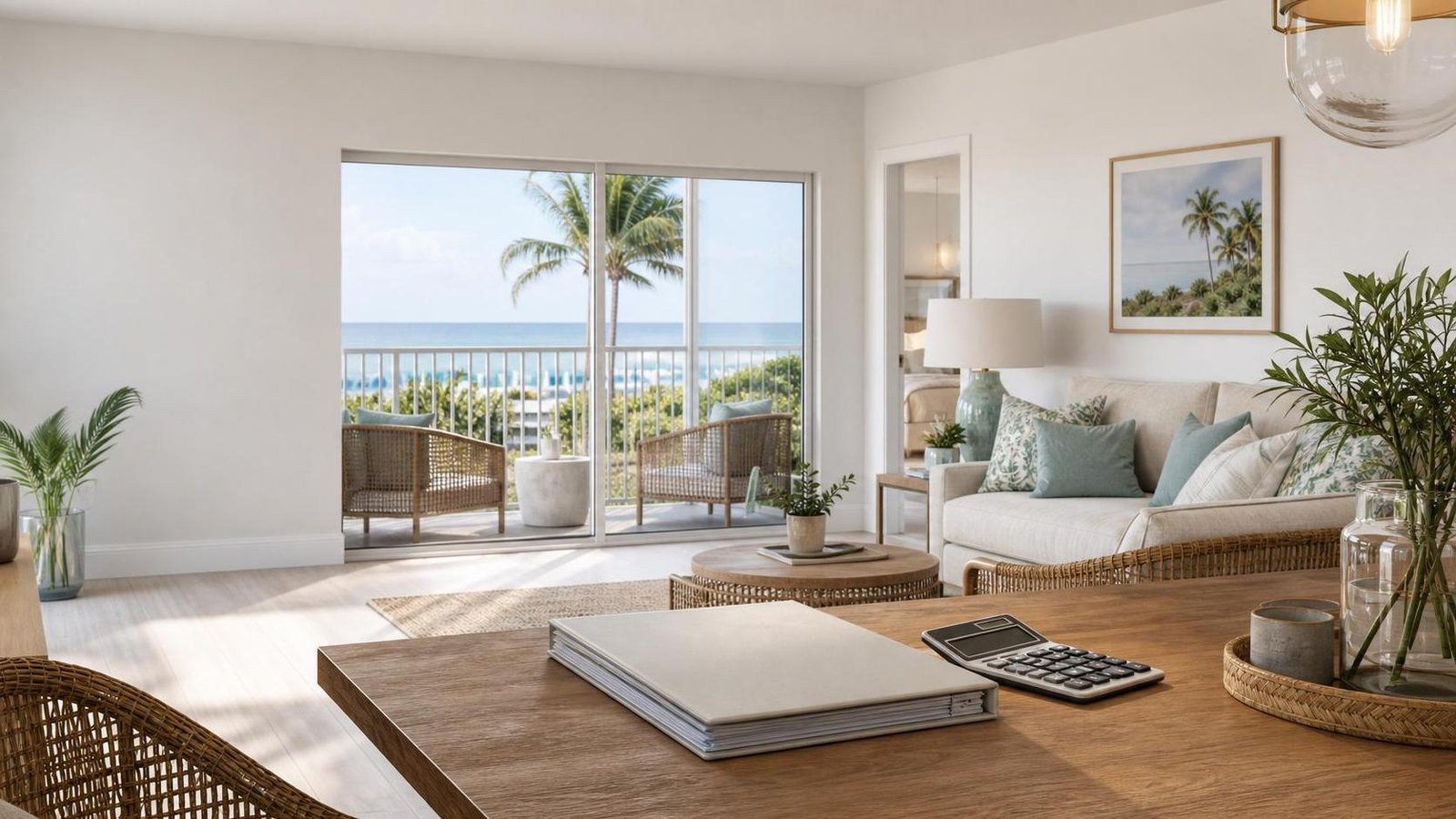
By Carrie Liotta, Space Coast REALTOR® | Published July 6, 2026 When a beachside condo buyer asks me whether to choose the smaller renovated unit or the larger older unit with higher reserves, I do not answer from the photos. In Brevard County, the prettiest kitchen is only one piece of the decision. The real answer comes from the total monthly payment, building documents, insurance picture, reserve funding, milestone inspection status when applicable, and how easy the condo will be to explain to the next buyer when it is time to sell. In 2026, the better choice is usually the unit that gives you the strongest combination of daily livability and building confidence. Sometimes that is the smaller updated condo with cleaner documents and predictable fees. Sometimes it is the larger older unit because the association has already handled major work, funded reserves responsibly, and priced the unit fairly for the current fee structure. The mistake is choosing size or finishes before you understand the building. Why This Choice Feels Hard On The Space Coast Cocoa Beach, Cape Canaveral, Satellite Beach, Indian Harbour Beach, and Melbourne Beach all have buildings where buyers can face this exact tradeoff. A smaller updated unit may have new flooring, a fresh kitchen, impact-rated openings, and a lower utility burden. A larger older unit may offer the floor plan you really want: a second bedroom, better storage, a wider balcony, or a view that is hard to duplicate. The challenge is that beachside condo ownership is not just a purchase price decision. HOA dues, master insurance, flood considerations, reserves, special assessments, maintenance history, and financing requirements can change the real cost of ownership. A lower price can be attractive, but if the monthly fee is high because the building is catching up on reserves or insurance, the cheaper unit may not actually feel cheaper. If you have not already read it, my monthly-cost breakdown for owning a Cocoa Beach condo in 2026 is a good companion to this decision. It walks through why purchase price, HOA fee, insurance, taxes, and reserves all need to be viewed together. What Does “Higher Reserves” Actually Mean? Higher reserves are not automatically bad. Reserves are money set aside for future capital repairs and deferred maintenance. In a beachside building exposed to salt air, wind, sun, balconies, roofs, elevators, plumbing stacks, parking structures, railings, and exterior waterproofing all matter. A building that is funding reserves may have a higher monthly fee, but it may also be doing the hard work of planning for long-term ownership. Florida’s condominium rules and inspection laws have made building documentation more important than ever. The official Florida milestone inspection statute applies to certain condominium and cooperative buildings that are three habitable stories or more and sets out inspection timing and reporting concepts. You can review the source here: Florida Statutes Section 553.899. That does not mean every older beachside condo is a problem. It means buyers need to ask better questions. Has the building completed required inspections? Are repair projects planned, underway, or completed? Are reserves being funded for structural and major common elements? Are there pending assessments? Are sellers disclosing known special assessments or board discussions? Is the current fee likely to stabilize, or is it still catching up? When The Smaller Updated Unit Can Be The Better Buy A smaller updated unit can make more sense when the building documents are strong, the monthly payment fits comfortably, and the unit’s updates reduce near-term maintenance. This can be especially true for buyers who want a lock-and-leave beachside lifestyle, a simpler second home, or a full-time condo with fewer surprise projects inside the unit. Updated interiors matter most when the upgrades are more than cosmetic. Good signs include permitted work where needed, quality windows or sliders, sensible flooring for condo rules, updated electrical or plumbing components when relevant, efficient HVAC, and a layout that uses space well. A smaller condo with a thoughtful renovation can live better than a larger unit with awkward rooms and years of deferred interior updates. Resale can also be easier when the next buyer can understand the story quickly: good building, clean documents, updated unit, manageable monthly cost, and a location that fits the Space Coast lifestyle. That is the kind of package that photographs well and survives due diligence. When The Larger Older Unit Can Still Win The larger older unit can be the better choice when the building is financially clear, major work has been addressed, and the extra space solves a real need. If you work from home, host family, need storage for beach gear, or want a second bedroom that will matter at resale, square footage can be valuable. But I want buyers to separate “older unit” from “risky building.” Some older Brevard County beachside buildings are better run than newer-looking competitors. The question is not age alone. The question is documentation. A dated interior in a well-managed building can be improved over time. A beautifully renovated condo in a building with unclear reserves, unresolved structural questions, or an assessment cloud can be harder to protect. For a broader investment lens, I would pair this with my earlier post on whether Cocoa Beach condos are still a smart investment after Florida condo law changes. What Documents Should Decide The Tie-Breaker? The tie-breaker should be the documents, not the backsplash. Florida Realtors explains that condominium resale buyers are entitled to receive key documents such as the declaration, articles, bylaws and rules, most recent financial information, budget, milestone inspection report when applicable, and structural integrity reserve study information or a statement that one has not been completed. Their guidance also notes the seven-business-day cancellation period tied to document receipt in certain resale contracts. You can read the overview here: Florida Realtors condominium and HOA guidance. In practice, I want to review the current budget, reserve schedule, board minutes, recent meeting notes, insurance summary, declaration, rules, rental restrictions, pet rules, parking rules, inspection summaries, pending litigation information, and

Which Brevard County Condos Are Best for Buyers Who Need Pet-Friendly Rules and Strong Resale in 2026?
By Carrie Liotta, Space Coast REALTOR® | Published July 6, 2026 If you are buying a condo in Brevard County with a dog, cat, or emotional attachment to your daily walk routine, pet rules need to move from “I’ll check later” to the front of the search. On the Space Coast, two condos can look almost identical online – same beach access, similar HOA fee, similar view – but one may allow two dogs with reasonable weight limits while another may allow only one small pet, restrict renters’ pets, limit elevator use, or require board approval before closing. The best Brevard County condos for pet owners in 2026 are usually the ones that combine three things: clear pet rules, practical daily logistics, and a building profile that future buyers can still finance and insure. That means I am not just looking at whether a listing says “pet friendly.” I am reading the declaration, bylaws, rules and regulations, current budget, insurance summary, reserve information, milestone inspection status when applicable, parking rules, and rental restrictions before my clients treat a unit as a strong resale candidate. What Makes A Brevard County Condo Truly Pet Friendly? A pet-friendly condo is not simply a building that allows pets. It is a building where the rules match the way you actually live. For a buyer with a medium or large dog, the key questions are usually: how many pets are allowed, what are the weight limits, whether breed restrictions exist, whether pets must be carried or leashed in common areas, whether there are designated walking areas, and whether renters or guests have different rules than owners. Florida Realtors notes that condominium documents may include restrictions on pets, vehicles, parking, rentals, noise, flooring, investor limits, and other issues that can affect a purchase. That matters because the pet rule that changes your daily life is often not in the MLS remarks. It may be buried in the recorded documents or in an updated rules packet. You can review that statewide guidance here: Florida Realtors condominium document guidance. For beachside buyers, I usually pay close attention to Cocoa Beach, Cape Canaveral, Satellite Beach, Indian Harbour Beach, and Melbourne Beach buildings where the outdoor routine is easy. A pet owner may love an oceanfront view, but a third-floor walk-up with tight stairwells and no practical green space can feel very different after the first summer thunderstorm. A riverfront or walk-to-beach condo with easier parking and better walking routes may be more livable than the unit with the postcard view. How Do Pet Rules Affect Resale? Pet rules affect resale because they change the size of the buyer pool. A building that allows reasonable pets can appeal to full-time residents, retirees, relocators, remote workers, and second-home owners who want to bring the whole household. A building with strict pet limits may still be a great fit for some buyers, but the resale audience becomes narrower. The strongest resale profile is not always the loosest rule set. A building that allows pets but still manages common areas well, keeps clear nuisance policies, enforces leash rules consistently, and maintains clean elevators and grounds can be easier to explain to a future buyer. A building with vague rules, inconsistent enforcement, or constant conflict over pets can create risk even if the listing sounds flexible. For a deeper dive into lifestyle rules beyond pets, I would also read my guide on Brevard County condo rules for pet owners, remote workers, and seasonal guests. It explains why parking, storage, rental rules, balcony use, renovation approvals, and guest policies deserve the same attention as the floor plan. Which Locations Tend To Work Best For Pet Owners? For many pet owners, the most practical Brevard County condo locations are not always the most dramatic oceanfront towers. They are often buildings near walkable streets, parks, river paths, or low-stress beach access. Cape Canaveral can work well for buyers who want a more residential feel near the port and beach. Cocoa Beach can be strong for buyers who want a lively beach-town routine. Indian Harbour Beach and Satellite Beach often appeal to buyers who want quieter everyday logistics, access to parks, and a more residential beachside feel. Mainland condos in Melbourne, Rockledge, Suntree, and Viera can also make sense if the buyer wants lower exposure to beachside insurance pressures, easier parking, newer construction options, and convenient vet, grocery, and medical access. If the buyer’s priority is daily convenience rather than stepping directly onto the sand, mainland locations may offer a better balance. The bigger point is this: do not shop only by city. Shop by building rules, unit access, parking, elevator function, walking route, flood and insurance profile, and resale audience. The best pet-friendly condo for a 12-pound indoor dog may be very different from the best choice for two active dogs and a buyer who travels frequently. What Documents Should Pet Owners Read Before Making An Offer? Before a pet owner writes a full-price offer, I want to see the current condominium documents. Under Florida’s Condominium Act, Chapter 718 governs many parts of condo creation, sale, operation, governance, disclosures, budgets, assessments, and association duties. The statute is not light reading, but it is the backbone for why condo documents matter. You can review the official chapter here: Florida Statutes Chapter 718. For pet owners, the documents I want to review include the declaration, bylaws, rules and regulations, FAQ document, budget, recent financial statements, meeting minutes, insurance information, reserve or structural reserve documents when applicable, and any application or screening package. I also want written confirmation if the listing, seller, manager, or board says the rules have recently changed. Florida Realtors explains that condo buyers may have a seven-business-day cancellation period tied to receiving the required condominium documents in a resale transaction. That timeline is important, but it is not a substitute for careful review before emotional momentum takes over. I would rather help a buyer ask the pet questions early than discover late in escrow that

Which Space Coast Neighborhoods Are Best for Launch-View Lifestyle Without Beachside Prices in 2026?
You do not have to buy beachside to enjoy Space Coast launch-view living. Compare Titusville, Port St. John, Cocoa, and Merritt Island for view, commute, insurance, and monthly payment in 2026.