
What Should Satellite Beach Waterfront Buyers Verify About Seawalls, Docks, Turtle Lighting, and Pineda Causeway Access?
By Carrie Liotta, Space Coast REALTOR® with REAL Broker | Published August 22, 2026
If you are buying waterfront or waterfront-adjacent property in Satellite Beach, do not let the view do all the talking. The direct answer is this: verify the shoreline, seawall or revetment condition, dock or lift permissions, flood zone, turtle-lighting obligations, insurance, storm-prep plan, and your daily route to Pineda Causeway before you decide the property is the right fit.
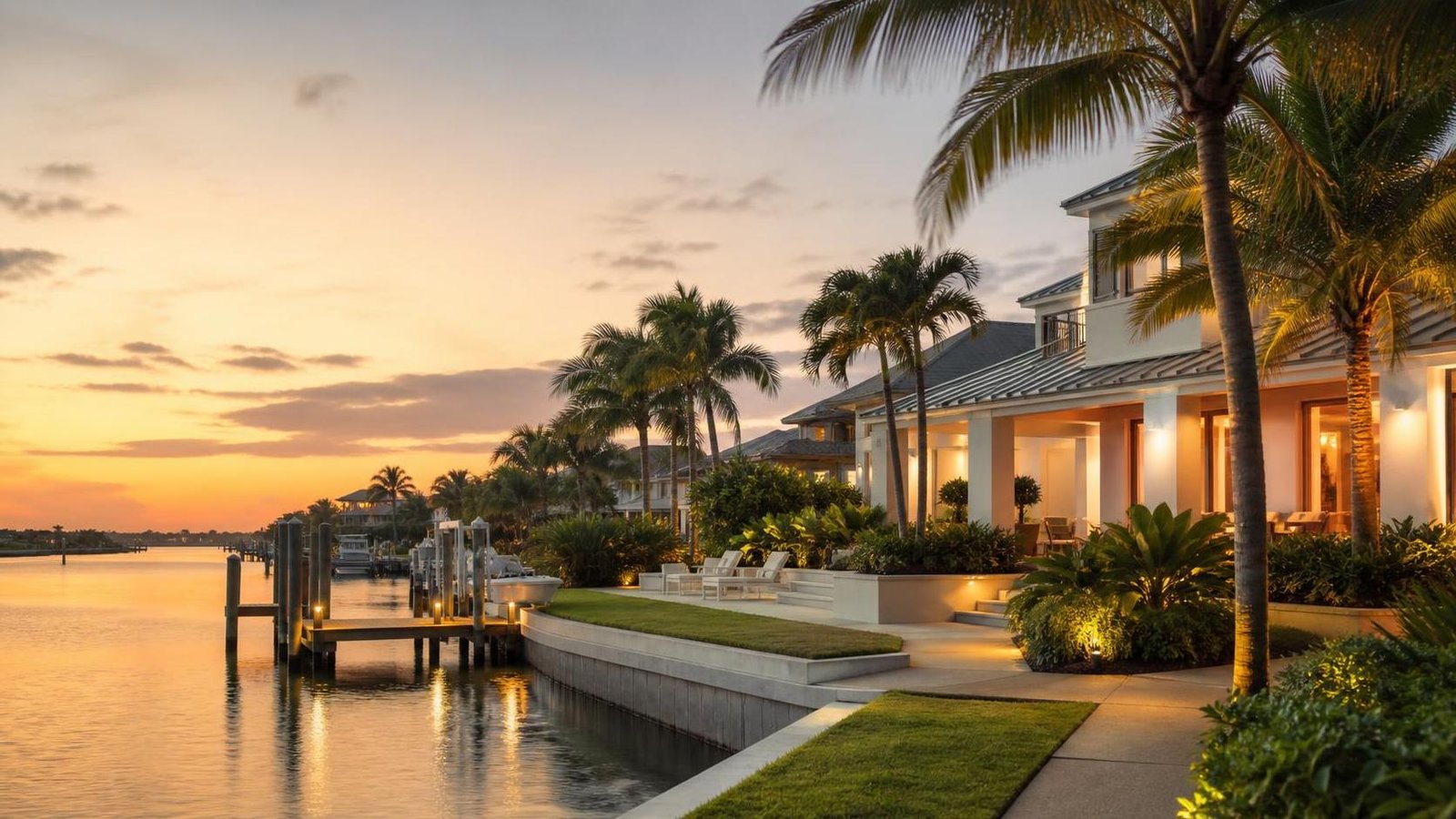
Satellite Beach can be one of the most appealing barrier-island places to live in Brevard County. You have the Atlantic on one side, the Banana River and lagoon lifestyle nearby, beach parks, surf culture, strong community identity, and a practical route back to the mainland through Pineda Causeway. But barrier-island ownership is different from buying a standard inland home. The water, sand, salt, wind, wildlife, and access routes all become part of the decision.
When buyers ask me whether a Satellite Beach waterfront home is a good buy, I always answer with a second question: good for what kind of life? A buyer who wants boating or kayaking needs a different due-diligence plan than a buyer who wants sunrise beach walks. A buyer commuting to Patrick Space Force Base has different route priorities than someone commuting to Viera or Melbourne. The right waterfront property is the one where the lifestyle and the ownership responsibilities both make sense.
Start with the type of waterfront
Satellite Beach buyers may be comparing direct oceanfront, homes near the beach, canal or river-oriented property, or homes that are not on the water but still deliver a beachside lifestyle. Each version has a different ownership profile.
Direct oceanfront puts you closest to the Atlantic lifestyle, but it also puts coastal construction rules, dune protection, turtle lighting, salt exposure, wind, flood review, and insurance near the center of the conversation. Canal or river-oriented property may raise seawall, dock, lift, depth, and shoreline questions. Walk-to-beach or water-near property may give you much of the lifestyle with fewer direct waterfront components, but you still need to understand flood and insurance.
If you are still comparing beachside cities, my guide to Satellite Beach vs. Indian Harbour Beach for relocating families gives the broader school, budget, flood, and lifestyle context.
Seawalls, shorelines, and future improvements
For canal, river, or lagoon-adjacent property, the seawall or shoreline condition can be as important as the roof. Ask about age, materials, cap condition, tiebacks, cracks, leaning, erosion, drainage, prior repairs, and permits. A beautiful backyard can hide a very expensive waterfront component.
For oceanfront or dune-adjacent property, future construction and improvements may be affected by the Coastal Construction Control Line program. The Florida Department of Environmental Protection describes the Coastal Construction Control Line Program as the state’s regulatory program for construction seaward of established coastal construction control lines. If you are dreaming about additions, decks, dune crossovers, pools, or major exterior changes, verify feasibility before closing.
The point is not to avoid coastal homes. It is to respect them. The properties that hold up best are usually the ones where buyers understand the shoreline, documents, permits, and maintenance before they buy.
Docks, lifts, and boating expectations
If boating is part of the Satellite Beach dream, do not assume the dock or lift is automatically usable for your boat. Ask about water depth, bridge routes, lift capacity, electrical, water service, maintenance history, and whether the existing structure was permitted. If you plan to change the dock or add a lift later, check with the appropriate local and state agencies before relying on that future improvement.
For some buyers, Satellite Beach is less about keeping a large boat behind the house and more about kayak, paddleboard, or public launch access. That is a different search. You may find a better total fit by choosing a home with easier beach access, lower direct waterfront maintenance, and quick access to water recreation without owning the shoreline itself.
This is similar to the decision Merritt Island buyers face with canals and boat access. My guide to Merritt Island waterfront areas for boat draft and bridge clearance explains why the waterway itself can matter more than the interior updates.
Turtle lighting matters on the barrier island
Satellite Beach buyers should understand sea turtle lighting rules and expectations before planning exterior lights, landscape lighting, balcony lighting, or beachfront updates. The Florida Fish and Wildlife Conservation Commission explains that artificial light can disorient nesting sea turtles and hatchlings, and its sea turtles and lights guidance is a good official starting point.
For buyers, this means exterior lighting is not just a design choice. You may need turtle-friendly fixtures, shielding, lower mounting, warmer wavelengths, or changes to how light is visible from the beach, depending on location and rules. If you plan to renovate, add outdoor living space, or rent the property seasonally, make sure the lighting plan is compliant and practical.
I would rather buyers learn this during due diligence than after they have already purchased fixtures or planned a backyard project that needs to be revised.
Pineda Causeway access is part of daily life
For many Satellite Beach buyers, Pineda Causeway is the route that makes the location work. It connects beachside living back to mainland Melbourne, Viera, Wickham Road, I-95, shopping, medical care, and major employers. If you work off the barrier island, test the exact drive from the home during your real commute window.
A home that feels peaceful on a Sunday showing may feel very different during school traffic, storm-prep errands, beach weekends, or causeway backups. This does not mean Satellite Beach is inconvenient. It means route comfort should be part of the purchase decision, especially for relocating buyers who do not yet know the local rhythm.
If you want a beachside lifestyle but are worried about direct waterfront carrying costs, compare this with my post on mainland beach access versus direct river access when insurance quotes are tight.
Flood maps, insurance, and storm prep
Satellite Beach buyers should check flood maps and insurance early. The FEMA Flood Map Service Center is the official public flood-map source. After that, talk with an insurance professional about the exact property, including homeowners, flood, wind, roof age, opening protection, and any four-point inspection concerns.
Also ask how the home is prepared for storms. Are there shutters or impact openings? Is there a wind mitigation report? Where are the panels stored? What is the evacuation plan? Where will outdoor furniture, kayaks, boards, and planters go? Barrier-island ownership feels much better when the home has a clear storm-prep routine.
“I specifically chose Carrie because of her local expertise as a resident of Merritt Island and her deep knowledge of my specific neighborhood. This particular sale involved many unique circumstances and obstacles, but Carrie never wavered. She consistently developed new plans and ideas to overcome every situation we faced.”
How I would structure the inspection period
For a Satellite Beach waterfront or water-near home, I like the inspection period to answer ownership questions, not just repair questions. A standard home inspection is still important, but it may not be enough on its own. Depending on the property, I may want the buyer to consider a seawall or marine contractor, insurance review, roof and opening documentation, permit history, elevation information, dock or lift review, and a conversation with the appropriate local office about planned exterior improvements.
I also want buyers to compare the carrying cost against the lifestyle they are actually going to use. If the home has a dock but the buyer only plans to paddleboard occasionally, a non-waterfront home with easier beach access and lower shoreline responsibility may be smarter. If the buyer truly wants to launch from home every weekend, then the dock, water depth, lift, and route become central. The best answer depends on how the home will be lived in after closing.
That is where local context matters. Satellite Beach can feel compact on a map, but one property can live very differently from another based on beach access, causeway proximity, flood elevation, exposure, neighborhood traffic, and the condition of the waterfront improvements. My job is to slow the decision down enough that the buyer sees both the beautiful part and the expensive part before making an offer.
My direct advice
Satellite Beach waterfront can be a wonderful choice when the property is understood clearly. Before you buy, verify the shoreline, seawall, dock, turtle lighting, flood zone, insurance, storm prep, and daily route over Pineda Causeway. Then decide whether the home still fits your budget and your life.
If those pieces line up, Satellite Beach gives you one of the most distinctive beachside lifestyles on the Space Coast. Reach out for a no-pressure conversation about Satellite Beach and Brevard County waterfront homes for sale, or join my private Facebook group, Moving to Brevard County Florida. Your next chapter starts here.