

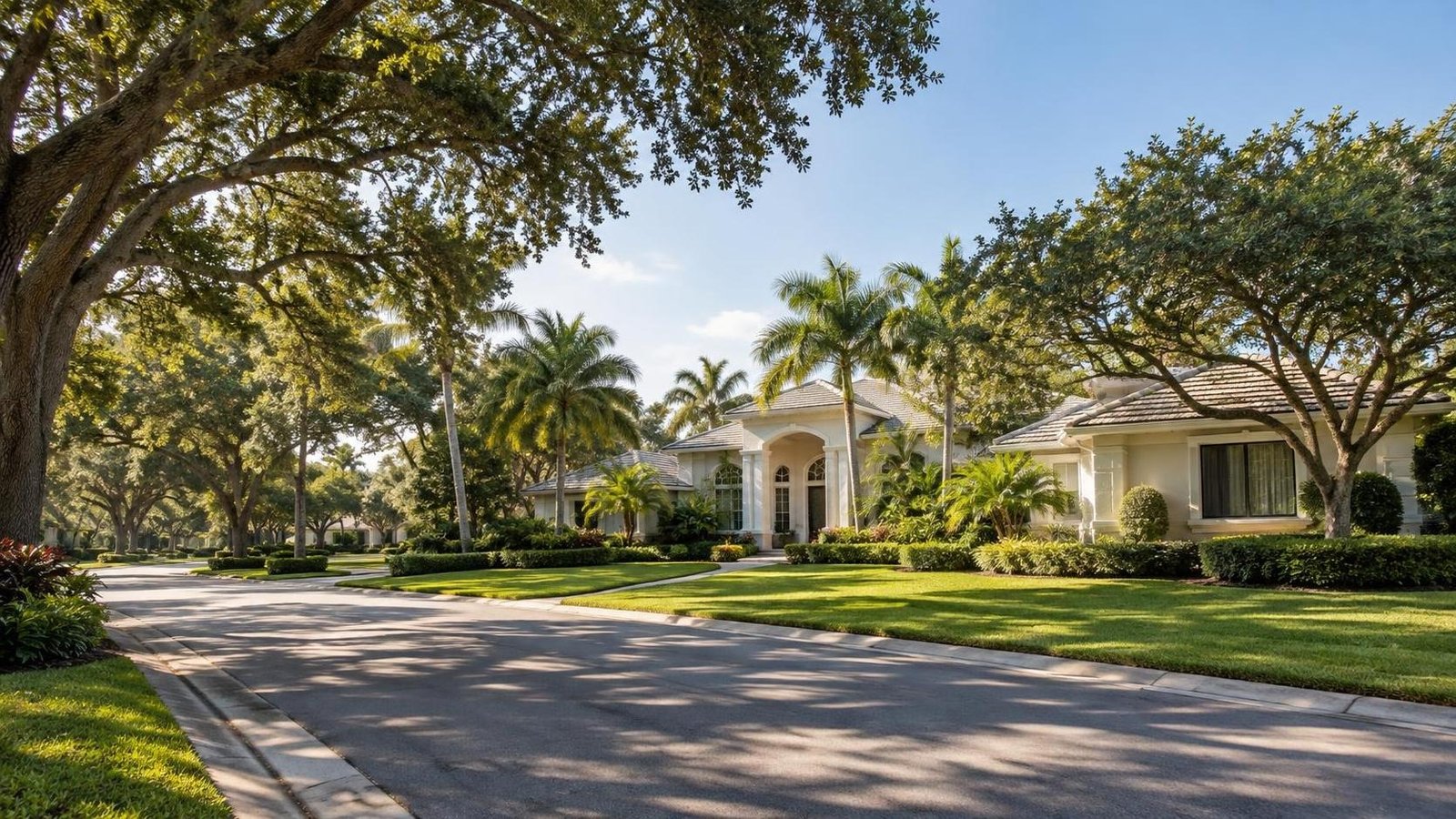
Preserve-View Resale or Newer Viera Home: Which Is the Better Buy?
By Carrie Liotta, Space Coast REALTOR® with REAL Broker | Published September 14, 2026
If the monthly payments are truly similar, I would choose the Viera preserve-view resale when privacy, mature outdoor character, and a view you will use every day outweigh the older systems—and when the preserve status, drainage, HOA rules, and future-project limits are clear. I would choose the newer non-preserve home when predictable early maintenance, modern layout, warranty coverage, and simpler pool or fence planning matter more than the rear view.
The word “truly” matters. Two lender worksheets can show the same first-year payment while taxes, insurance, HOA charges, district assessments, builder incentives, rate buydowns, and near-term repairs are very different. Before deciding, I rebuild both homes into a five-year ownership picture.
Confirm what “preserve view” means
A wooded or wetland-looking area behind a house is not automatically a permanent preserve. Ask for the recorded plat, survey, title documents, community map, development approvals, conservation easements if applicable, and HOA materials that describe the land. Identify who owns it and who is responsible for maintenance.
Then ask what can change. Can vegetation be trimmed? Is there a maintenance easement? Could a path, drainage feature, utility, fence, or adjacent phase affect the view? Are there rules about feeding wildlife, yard treatments, lighting, or encroachment? The value should come from documented conditions, not the listing phrase “no rear neighbors.”
Use the Brevard County Property Appraiser as one starting point for parcel and ownership information, then have your title and survey professionals interpret the property-specific records. An online map is useful orientation, not a legal boundary opinion.
Decide whether the view is worth the limitations
A preserve edge can create privacy, bird activity, changing light, and a quieter backyard. It can also create insects, wildlife encounters, leaf and seed debris, irrigation challenges, drainage questions, and restrictions on how the yard can be changed. The emotional premium is justified only if your household enjoys the view enough to accept the maintenance and limits.
Visit near sunrise or sunset, after rain if possible, and during a warm evening. Stand in the lanai and primary living spaces. Listen for roads, schools, sports fields, pumps, or neighboring mechanical equipment that the trees may not hide. Look for standing water, erosion, low spots, algae lines, clogged drains, and irrigation overspray.
If the view is the reason you are paying more, confirm that it works from inside the home, not only from one camera angle in the yard.
Test the pool, fence, and screen-enclosure plan before offering
Preserve lots often become difficult when a buyer assumes the open-looking backyard can hold a future pool. A survey and concept plan should account for setbacks, easements, drainage, utilities, grading, equipment access, HOA architectural rules, and any conservation boundary. The same applies to fences, screen enclosures, patios, generators, and expanded landscaping.
Florida’s Homeowners’ Association Act, Chapter 720 defines governing documents and addresses association records, assessments, architectural control, and other owner obligations. Your actual rights come from the current recorded documents and applicable law, so obtain the community package and written architectural guidance rather than relying on what a neighbor was allowed to do years ago.
I explain the seller-side records in my Viera preserve-lot documentation guide. Buyers should request the same approvals, drainage records, and project history before placing a premium on a finished or future feature.
Compare the resale home’s systems as one stack
The older home may have a beautiful setting but a roof, HVAC, water heater, pool equipment, appliances, irrigation, windows, or exterior paint approaching replacement. Do not compare each item in isolation. Build a timeline for the next five years with documented ages, current condition, professional opinions, and realistic reserves.
A resale with a permitted newer roof, maintained HVAC, good wind-mitigation features, and clean irrigation records may offer more certainty than its build year suggests. Another home may have a remodeled kitchen but several original major systems. Inspect the system stack and obtain insurance feedback before treating the listed payment as stable.
If landscaping and established character are important, compare this with my analysis of mature-landscaping resales versus west-side builder incentives.
Do not assume “newer” means finished
A newer non-preserve home may reduce early repair risk, but buyers often underestimate completion costs. Window treatments, lighting, fans, appliances, landscaping, fencing, gutters, garage storage, screened outdoor space, water treatment, and backyard improvements can add up quickly. Confirm which warranties remain and what their claim procedures and exclusions are.
Newer communities may also include more than one ongoing charge. Separate HOA assessments from any district or other property-tax-line obligations. Review current budgets, estoppel information when applicable, tax records, and the projected post-purchase tax picture with qualified professionals. Do not compare a seller’s current tax bill to an estimate based on your future ownership without understanding exemptions and reassessment.
Rebuild both monthly payments without temporary advantages
Ask the lender to show the same down payment, loan type, rate assumptions, and time horizon for both properties. If the new home uses a temporary builder buydown, show the payment after that period ends. If one quote uses a preliminary insurance estimate, replace it with property-specific guidance. Include principal, interest, taxes, homeowners insurance, flood insurance if relevant, HOA charges, district assessments, and any required memberships.
Then add a monthly reserve for likely projects. The preserve resale may need a roof or HVAC reserve. The newer home may need fence, window coverings, landscaping, storage, or a lanai. A cost does not disappear because it is optional; it simply arrives after closing instead of appearing on the lender worksheet.
My guide to builder incentives versus a resale’s lower district balance explains why I compare the stable payment and remaining obligation, not only the closing-day promotion.
Compare daily routes from the two exact addresses
Viera is not one commute point. A west-side home, Viera East resale, and home near a different I-95 interchange can create different school, work, sports, medical, and shopping routines. Drive each route when your household would use it. Include pickup traffic, more than one worksite, and the evening trip home.
A preserve-view resale may win emotionally but add repeated minutes to the hardest route. A newer home may have a simpler commute but less private outdoor space. Put those tradeoffs on the same page. The home you experience every weekday often matters more than the feature that impresses you during a Saturday showing.
How I evaluate resale for each option
The preserve-view resale has a differentiated setting that cannot be recreated with an interior remodel. If the view is documented, the outdoor space functions well, the systems are responsibly maintained, and future-project expectations are clear, that scarcity can support future appeal.
The newer non-preserve home may attract buyers who value lower maintenance, newer codes and systems, contemporary layout, energy performance, and a simpler ownership story. Its challenge is competition: when several similar homes or new phases are available, condition, lot orientation, upgrades, incentives, and price become important.
I do not promise that one will appreciate faster. I ask which future buyer can understand the property more easily. A preserve home with vague land status and drainage questions is harder to price. A newer home with high ongoing obligations and many near-identical alternatives can also face pressure. Documentation and a comfortable total cost improve both stories.
A two-home decision worksheet
For each address, score the following from one to five, then write the evidence beside the score:
- Stable monthly carrying cost after temporary incentives end.
- Cash needed during the first two years.
- Roof, HVAC, openings, appliances, and insurance documentation.
- Verified preserve status, privacy, orientation, and outdoor enjoyment.
- Pool, fence, generator, screen, and landscaping feasibility.
- HOA rules, assessments, district obligations, and project approvals.
- Work, school, sports, medical, and shopping routes.
- Resale differentiation and likely future competition.
Do not average away a deal-breaker. If a pool is essential and the preserve lot cannot support one, a high view score does not solve that. If the newer home’s eventual payment strains the budget, warranty coverage does not fix the monthly number.
Who should choose the preserve-view resale?
Choose it when you will use the private setting daily, the status and boundaries are documented, drainage is performing, the HOA rules fit your plans, and the system reserve remains comfortable after closing. It is often the better emotional and long-term lifestyle choice for a buyer who values a mature setting more than brand-new finishes.
Who should choose the newer non-preserve home?
Choose it when a modern layout, lower early maintenance uncertainty, warranty path, and project flexibility matter most. It can be the better choice for a relocating household that needs a predictable first year and does not want to coordinate several major replacements while settling into Brevard County.
The bottom line
When payments appear equal, compare the land, obligations, and next five years—not just the homes. A documented preserve view can be worth accepting older systems. A newer non-preserve home can be worth giving up privacy when it protects your time, cash reserve, and project plans.
I help Viera buyers gather the documents, test the commute, price the ownership stack, and understand what each lot allows before emotion takes over. Reach out for a no-pressure conversation about Viera and Brevard County homes for sale with REAL Broker. Your next chapter starts here.