
What Should Merritt Island Sellers Prepare Before Listing a Home With a Dock, Lift, Pool, and Older Electrical Panel?
By Carrie Liotta, Space Coast REALTOR® with REAL Broker | Published August 24, 2026
If you are selling a Merritt Island home with a dock, boat lift, pool, and an older electrical panel, the best thing you can do before listing is turn every possible buyer question into a documented answer. You may not need to replace every older component before the home goes on the market. You do need a clean file showing what is permitted, what has been serviced, what still works, what needs attention, and how the home’s waterfront features should be understood.
That paperwork can protect your leverage. Merritt Island waterfront buyers are not just buying bedrooms and a water view. They are evaluating boating use, seawall condition, dock safety, lift capacity, pool condition, flood exposure, insurance, and whether the electrical system will create a last-minute underwriting problem. When those answers are missing, buyers tend to price uncertainty into the offer.
Start with a seller file, not a repair list
My first move is not automatically calling five contractors. It is building a property file that mirrors the way a careful buyer will investigate the home. For a Merritt Island waterfront property, that file should include dock and lift invoices, seawall records, pool permits, pool equipment service history, electrical panel information, roof and HVAC documentation, flood insurance details if available, survey or elevation documents, and any warranties that may transfer.
If the seller does not have permits in a folder, I start with public records. The Brevard County building permit search can help confirm county permit history, while some properties inside municipal boundaries may require a separate city search. The Brevard County Property Appraiser is also useful for checking public property details, site information, and improvement history.
The goal is not to create a perfect house. The goal is to create a believable seller story. “The lift was serviced last spring, the pool pump was replaced in 2024, the dock boards were repaired with invoices, and here is the panel label” feels very different from “I think everything is fine.”
How should you handle the dock and boat lift?
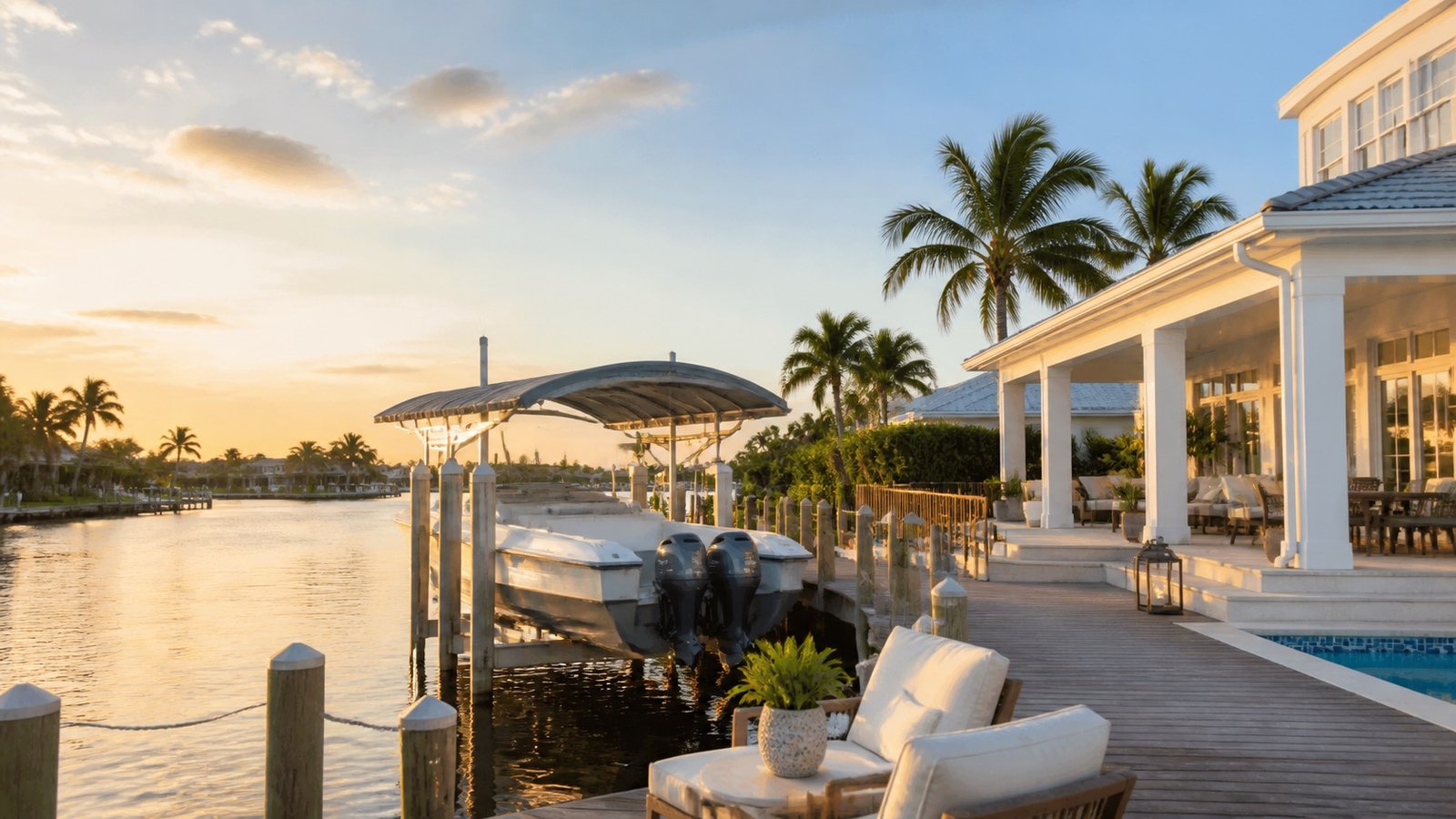
A dock and lift can be the reason a buyer falls in love with a Merritt Island home, but they can also become the reason a contract gets tense. Before photography, walk the dock like a buyer would. Look for soft boards, loose rails, rusted hardware, electrical issues, exposed fasteners, lift motor condition, remote controls, bunk condition, and whether the posted or documented lift capacity is clear.
If the lift has been serviced, put that invoice in the file. If it has not been used in a while, consider having it checked before showings. Do not advertise a lift capacity unless you can support it with documentation or a label. A buyer who owns a specific boat will care about capacity, width, depth, canal route, and bridge clearance. I covered that buyer-side due diligence in my Merritt Island boat draft and bridge-clearance guide.
For future dock, lift, seawall, or shoreline work, buyers may need to understand local, state, or water-management review. The St. Johns River Water Management District permitting information is a good starting point for water-related permitting context. As a seller, you do not need to promise what a future buyer can build. You do want to avoid overselling improvements that are not documented.
Should you repair the pool before listing?
Pool condition matters because it is visible, emotional, and expensive enough to affect negotiations. A clean, working pool can make a waterfront backyard feel resort-like. A green pool, cracked deck, noisy pump, missing child-safety features, or questionable heater can pull attention away from the view.
Before listing, gather the pool permit if available, recent service records, pump and heater information, resurfacing receipts, screen enclosure records, and any repair invoices. If the pool has an active leak, failed equipment, or obvious safety concern, I usually want that addressed before photography or priced honestly from the start. If the pool is older but maintained, documentation may be better than rushing into a cosmetic project the next owner might not value the same way.
One small seller habit helps: label the pool equipment file clearly. Buyers and inspectors often have questions about pump age, heater function, automation, salt system, screen enclosure, and resurfacing. When the answer is sitting in a folder, the discussion stays practical.
What if the electrical panel is older?
An older electrical panel is one of those issues that can sound small in listing copy and then become very large during insurance review. The panel may work perfectly for the current owner, but a buyer’s insurer, lender, or four-point inspector may look at age, condition, brand, visible defects, and whether the system appears insurable.
Do not guess. If the panel is older, gather the permit history, the panel brand and amperage, any electrical repair invoices, and any prior four-point inspection. If there are known defects, open breakers, overheating signs, double taps, corrosion, missing labels, or unpermitted changes, talk with a licensed electrician before listing. A clean evaluation can help you decide whether to repair, replace, disclose, credit, or price accordingly.
Florida’s insurance environment is still one of the biggest practical issues in Space Coast sales. The Florida Department of Financial Services summarizes several property insurance changes affecting homeowners, but individual underwriting still depends on the property. A buyer may be comfortable with a waterfront home, but less comfortable if the roof, panel, HVAC, and plumbing all look like near-term questions at once.
How flood zone and waterfront costs shape buyer confidence
With Merritt Island waterfront, flood-zone questions should be answered at the address level. Do not rely on a neighbor’s policy, an old listing description, or a general assumption that “all waterfront is the same.” The FEMA Flood Map Service Center is the official public map source for National Flood Insurance Program flood hazard information, and buyers should pair that with real insurance quotes for the specific home.
As a seller, you can help by having current insurance information available if you are comfortable sharing it, plus elevation documentation if you have it. You are not promising the buyer’s premium. You are showing that the property has been managed responsibly and that the buyer is not starting from zero.
This is especially important when a home has multiple premium features. A dock, lift, pool, and canal view can justify excitement. They also create more lines on a buyer’s due diligence list. My post on renovated canal homes versus homes with newer seawalls and roofs explains why major components can matter as much as finishes.
Repair, replace, document, or price?
I would not use one rule for every Merritt Island seller. The right strategy depends on condition, timing, budget, market competition, and how the home will compare with nearby waterfront listings.
Repair makes sense when a specific item is inexpensive enough to remove a buyer objection: a lift service, missing dock boards, pool equipment tune-up, electrical labeling, GFCI issue, or small permit record clarification. Replace may make sense when the item is failing, visibly unsafe, or likely to block financing or insurance. Documentation is the right answer when the feature is older but functional and well maintained. Pricing for condition is best when the seller does not want to complete a larger project but is realistic about how buyers will value the risk.
The weak strategy is staying vague. Waterfront buyers can forgive age. They are much less forgiving when every answer sounds uncertain.
“From the start, her approach was impressive – the photography, video tour and social media outreach were outstanding, leading to multiple offers in a down market. Crucially, she was an absolute rock when it came to managing the multiple hurdles with various offers.”
A recent seller client
My Merritt Island pre-listing checklist
- Dock permits, repair invoices, marine-contractor notes, and photos of recent work.
- Boat lift capacity documentation, service records, remote controls, and operating notes.
- Seawall age, repair history, drainage notes, and any inspection or contractor feedback.
- Pool permit, resurfacing records, equipment ages, service invoices, and screen-enclosure records.
- Electrical panel brand, amperage, permit history, repair invoices, and any four-point report.
- Flood-zone, elevation, insurance, survey, roof, HVAC, and wind-mitigation documents.
- A clear decision on which items are fixed, which are disclosed, and which are reflected in price.
Bottom line
A Merritt Island home with a dock, lift, pool, and older electrical panel can still be a very strong listing. The key is to prepare like a serious waterfront buyer is going to inspect every feature carefully, because they probably will.
If you are thinking about selling, I can help you decide which records to gather, which issues deserve attention before listing, and how to position the property without overpromising. Join my private Facebook group, Moving to Brevard County Florida, or reach out for a no-pressure conversation about Brevard County homes for sale with REAL Broker. Your next chapter starts here.