

Should Cocoa Sellers Replace Old Windows Before Listing or Document Shutters and Price Accordingly?
By Carrie Liotta, Space Coast REALTOR® with REAL Broker | Published August 7, 2026
If you are selling an older home in Cocoa and the windows are not new, you do not automatically need to replace them before listing. You do need to know what condition they are in, whether the home has documented storm shutters or other opening protection, and how the window story fits the roof, insurance, price, and buyer expectations.
My practical answer is this: replace old windows before listing only when their condition, function, moisture issues, safety concerns, or market position clearly justify the cost. If the windows are older but working, the shutters are complete and documented, and the list price already reflects the age, a clean documentation strategy may be stronger than rushing into a costly replacement that may not return dollar for dollar.
Cocoa has a wide range of housing: renovated cottages, older concrete block homes, river-near properties, established neighborhoods, and more practical inland options. Buyers do not expect every older Cocoa home to look like new construction. They do expect the seller to be honest, organized, and realistic.
Start with condition, not age alone
Window age matters, but condition matters more. I want sellers to look closely at whether windows open and close properly, lock securely, show fogging between panes, leak during rain, have rotten trim, show cracked glass, or have visible sealant and caulk problems. A buyer may be comfortable with older windows. They are less comfortable with old windows that look like deferred maintenance.
Before listing, walk every opening. Clean the tracks. Check screens. Test locks. Look for staining below windows, soft drywall, swollen sills, patched stucco, or musty odors. If there are active leaks or failed windows, get repair advice before showings begin. A small fix with documentation can prevent a much larger negotiation later.
This is the same philosophy I use with roofs and HVAC systems. A system does not become a problem simply because it is not new. It becomes a problem when the condition is unclear, the records are missing, and the price pretends the buyer will not notice.
Why shutters can be a real selling point
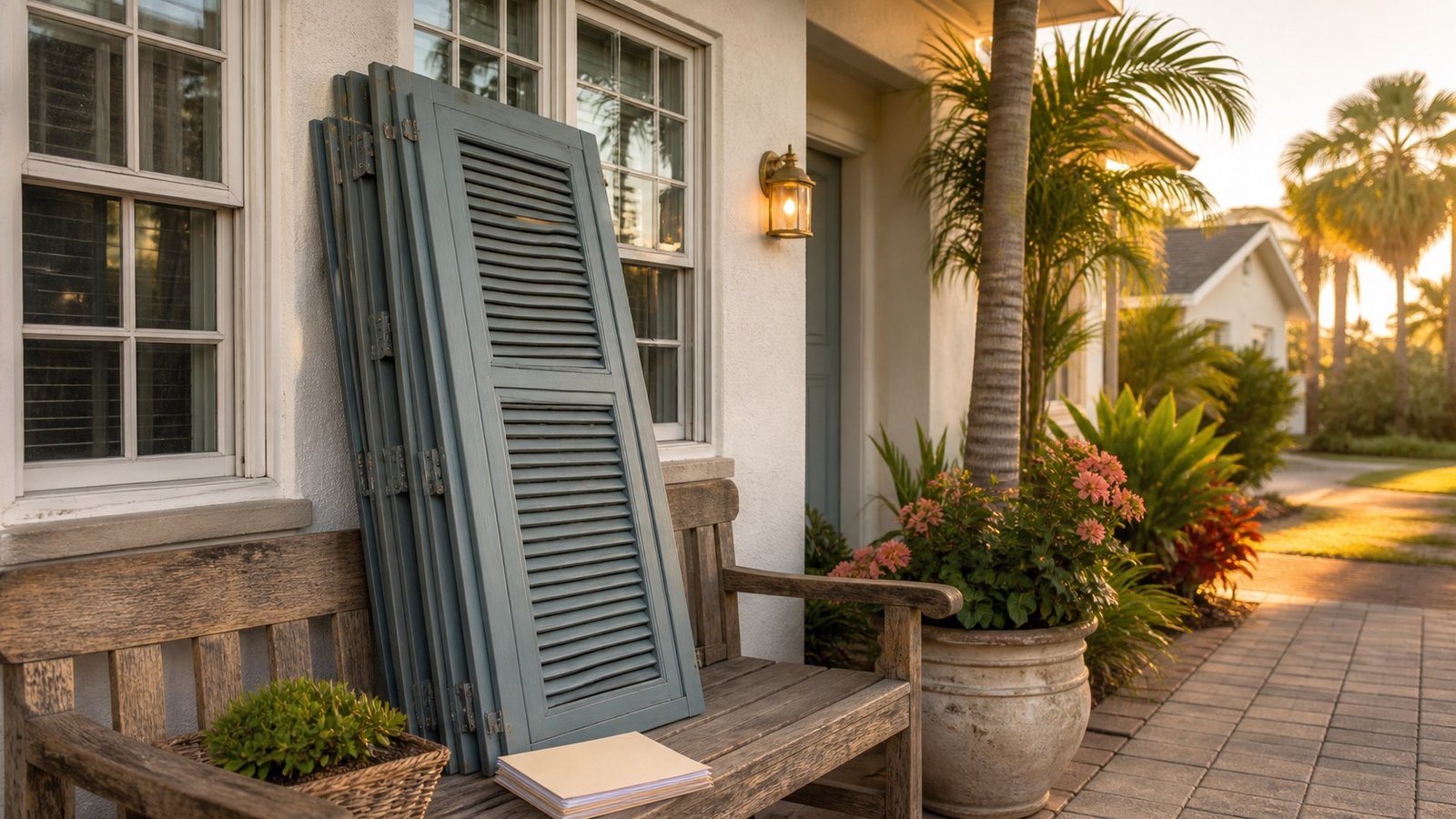
For many Cocoa sellers, storm shutters are the most practical opening-protection story. If the shutters are complete, labeled, accessible, and documented, they can help buyers understand how the home is prepared for storm season without requiring a full impact-window replacement before listing.
The key is organization. I like sellers to gather shutter permits if available, product information, installation invoices, photos showing how panels attach, storage location, hardware, wing nuts or anchors, and any wind mitigation report that references opening protection. If panels are stored in the garage, label them by window or door. If hardware is missing, replace it before listing. Do not make buyers wonder whether the stack of metal panels actually fits the house.
The Florida Office of Insurance Regulation maintains wind mitigation resources that explain how documented storm-resistant features can affect insurance rating. The exact credit depends on the carrier and the inspection form, so I never promise a buyer savings from a seller’s word alone. I want the paperwork ready.
When replacing windows before listing can make sense
There are times when replacement deserves a serious conversation. I am more open to pre-listing replacement when windows are visibly failing, leaking, hard to operate, missing locks, cosmetically distracting, or inconsistent with the price point. I would also consider it if the seller is competing against renovated homes where buyers expect the big-ticket exterior envelope to feel finished.
Replacement may also make sense when the home is otherwise in strong shape. If the roof is newer, the HVAC is good, the electrical and plumbing are clean, and old windows are the obvious weak point, upgrading them can complete the story. But if the home also needs a roof, AC, electrical work, flooring, paint, and landscaping, windows may not be the first dollar I would spend.
My Safe Florida Home describes its program around wind mitigation inspections and eligible hurricane-hardening improvements through the official My Safe Florida Home Program. That is useful context for sellers and buyers, but program availability, eligibility, and grant timing can change. A seller should not list a home as if a future owner is guaranteed grant money after closing.
When documentation and pricing may be smarter
If the windows are older but functional, shutters are complete, and the home is priced to reflect its age, documentation may be the better strategy. That is especially true for sellers who would have to spend a large amount right before listing and then hope buyers value the exact window product chosen.
Buyers do not all want the same thing. One buyer may prefer impact windows. Another may be comfortable with shutters if the roof is newer and the monthly payment is stronger. A third may plan a larger renovation and would rather choose their own windows. In that situation, a seller who replaces windows in a hurry can spend money without matching the buyer’s priorities.
That does not mean “do nothing.” It means do the right preparation. Clean the windows, fix obvious defects, gather shutter records, disclose known issues accurately, and price the home so buyers can see the tradeoff. I covered a similar insurance-first prioritization in what Brevard County sellers should fix first when insurance, roof age, and buyer credits collide.
How old windows affect buyer negotiations
Old windows can become a negotiation issue in three ways. First, they may affect the buyer’s perception of maintenance. Second, they may show up in inspection comments if there are leaks, failed seals, damaged trim, or operation problems. Third, they may influence the insurance and wind mitigation discussion if the home has no recognized opening protection.
A buyer who sees organized shutters, a clean wind mitigation report, and a realistic list price may treat older windows as a future project. A buyer who sees fogged glass, missing shutter hardware, and a seller who cannot answer basic questions may treat the windows as a warning sign about the whole house.
That is why I want Cocoa sellers to prepare before the first showing. The inspection period should confirm the story, not reveal it for the first time.
What records should a Cocoa seller gather?
Create one simple opening-protection file before the listing goes live. Include window permits or invoices if windows were replaced, shutter permits or receipts if shutters were installed, wind mitigation reports, photos of shutter storage, hardware inventory, repair invoices, warranty information, and any notes about which panels fit which openings.
If you are missing permit information, the Brevard County building permit search may be a starting point, although Cocoa municipal records may also apply and older files are not always complete. The point is to verify what you can and avoid guessing.
I would also keep the roof, HVAC, electrical, and plumbing records nearby because buyers rarely evaluate windows in isolation. Florida’s insurance environment means buyers are looking at the whole home file. The Department of Financial Services summary of property insurance changes is a good reminder that roof condition, coverage questions, and consumer rights all sit inside the same broader conversation.
How this plays in Cocoa specifically
Cocoa sellers often have to balance value, condition, and location. A charming older home near river access or a practical commute can attract buyers who appreciate character. But character does not excuse avoidable uncertainty. If the home is near US-1, an older neighborhood, or a route toward Port Canaveral, Rockledge, Merritt Island, or Melbourne, buyers may already be comparing it against several different property types.
In that competition, old windows are not automatically fatal. They are one line item. The home can still stand out if the roof is newer, the structure is solid, the shutters are complete, the pricing is honest, and the showing condition feels cared for.
If you are trying to see this from the buyer’s side, read whether Brevard County buyers should choose impact windows or a newer roof if they cannot afford both and how buyers compare storm shutters, impact windows, and roof age.
“From the start, her approach was impressive, the photography, video tour and social media outreach were outstanding, leading to multiple offers in a down market. Crucially, she was an absolute rock when it came to managing the multiple hurdles with various offers.”
A recent seller client
My seller recommendation
Before deciding whether to replace windows, price three choices: basic repairs, full replacement, and documentation-plus-pricing. Then compare those options against the likely buyer pool and the home’s other major systems. If a replacement helps the home cross into a cleaner, more competitive market position, it may be worth doing. If it is simply an expensive attempt to hide the fact that the home is older, I would rather price the home transparently and negotiate from facts.
The worst move is waiting for inspection day to discover that the shutters are incomplete, the locks do not work, or the seller disclosure does not match what buyers can see. Handle those details before the home is photographed.
Bottom line
Cocoa sellers do not need to panic-replace old windows before listing. They do need to make the window and shutter story clear. Fix what is actively wrong, document the opening protection you have, gather permits and reports, and price the home so buyers understand the tradeoff.
If you are preparing to sell an older Cocoa home, I can help you decide whether windows are worth replacing, whether shutters and documentation are enough, and how to position the home against buyer insurance concerns. Reach out for a no-pressure conversation about selling your Brevard County home with REAL Broker. Your next chapter starts here.