
Coastal properties offer an idyllic lifestyle, but they also come with their own set of challenges. From weather-related risks to long-term maintenance, owning a home by the beach demands careful planning and informed decisions. To provide valuable guidance, we’ve gathered insights from real estate experts and coastal homeowners who have successfully navigated these challenges. Here’s what they recommend for protecting and enhancing coastal properties. Why is Protecting Your Coastal Property Crucial? Coastal homes face unique environmental pressures, including salty air, high humidity, and the potential for storms and flooding. Protecting your coastal property not only preserves its value but also ensures its long-term habitability and appeal. How Can You Minimize Environmental Risks? 1. Understanding Flood Zones Experts emphasize the importance of knowing your property’s flood zone designation. This information helps you prepare for potential flooding and secure the right insurance coverage. 2. Reinforcing Structural Integrity 3. Maintaining Coastal Landscaping What Are the Top Maintenance Tips for Coastal Homes? 1. Combat Salt Air Corrosion Regularly rinse outdoor surfaces with fresh water to remove salt deposits. Choose corrosion-resistant materials for fixtures and hardware to reduce wear and tear. 2. Inspect Roofing and Gutters High winds and salty air can deteriorate roofing materials. Schedule regular inspections and clean gutters frequently to prevent water damage. 3. HVAC System Care Salt air can corrode HVAC components, so it’s essential to schedule yearly maintenance and use protective coatings where possible. How Can You Enhance the Value of Your Coastal Property? 1. Eco-Friendly Upgrades 2. Outdoor Living Spaces A well-designed patio or balcony with ocean views can significantly boost your property’s appeal. Consider adding features like pergolas, fire pits, or outdoor kitchens. 3. Vacation Rental Potential Experts agree that short-term vacation rentals can be a lucrative way to offset maintenance costs. Ensure your property is well-equipped with modern conveniences and market it effectively to stand out. What New Trends Are Emerging in Coastal Property Management? 1. Smart Home Technology Smart thermostats, lighting, and flood sensors are becoming essential for coastal homes. These technologies help manage resources efficiently and provide peace of mind. 2. Sustainable Landscaping Native plants and xeriscaping (minimizing water use) are gaining popularity, not just for their low maintenance but also for their environmental benefits. 3. Community Collaboration Homeowners are increasingly working together to address shared challenges like erosion and rising sea levels. Community-based solutions often include dune restoration projects and shared storm defenses. FAQ: Coastal Property Insights 1. How do I protect my coastal home from storms? Install impact-resistant windows, secure outdoor items, and have a clear emergency plan in place. 2. Are eco-friendly upgrades worth the investment? Yes, they reduce utility costs, appeal to buyers, and often qualify for tax incentives. 3. What’s the best way to prevent erosion on my property? Plant native vegetation and work with local environmental agencies for sustainable solutions. 4. How often should I inspect my coastal property? Schedule inspections at least twice a year and after any severe weather events. 5. Can I use my coastal property as a vacation rental? Absolutely, but ensure compliance with local regulations and equip the property with high-quality amenities. By leveraging expert advice and staying proactive, coastal property owners can overcome challenges and maximize the benefits of their seaside investments. Whether you’re buying, selling, or maintaining a coastal home, these strategies provide a solid foundation for success. More Info: HERE
Melbourne Beach real estate is known for quieter beachside living, ocean and river access, waterfront homes, coastal lifestyle, natural areas, and a more residential feel along Brevard County’s barrier island. This hub collects Carrie Liotta’s local guidance on Melbourne Beach homes, beachside buyer considerations, flood zones, insurance, waterfront questions, lifestyle tradeoffs, and what sellers should understand before listing in this Space Coast market.
Overcoming Challenges of Coastal Homeownership: A Practical Guide
Owning a coastal property is a dream come true for many, but it also presents a unique set of challenges. From weather-related risks to ongoing maintenance and value preservation, coastal homeownership requires proactive planning and informed decision-making. This comprehensive guide offers practical solutions to common coastal property challenges, ensuring you can enjoy your seaside investment to the fullest. Why is Coastal Homeownership Unique? Coastal homes are exposed to a combination of environmental factors that include salty air, high humidity, and the potential for severe storms. These conditions can impact the structural integrity, maintenance requirements, and overall value of the property. Understanding these challenges is the first step toward effective management. What Are the Biggest Challenges of Coastal Homeownership? 1. Weather-Related Risks Coastal areas are prone to hurricanes, tropical storms, and flooding. These events can cause significant damage, especially to homes built without proper storm-resistant features. 2. Salt Air Corrosion Salty air can accelerate the deterioration of metal fixtures, roofing, and paint. This makes regular maintenance crucial for preserving the home’s longevity. 3. Erosion and Rising Sea Levels Shoreline erosion and rising sea levels can threaten the stability of coastal properties. Implementing preventive measures is essential to minimizing these risks. 4. Higher Maintenance Costs The combination of weather and salt exposure means that coastal homes typically require more frequent and specialized upkeep compared to inland properties. 5. Insurance and Financial Considerations Flood and hurricane insurance can be expensive, and understanding coverage requirements is a key aspect of responsible coastal homeownership. How Can You Protect Your Coastal Home? 1. Storm-Resistant Features 2. Durable Materials 3. Erosion Control Measures What Are the Best Practices for Coastal Maintenance? 1. Regular Inspections 2. Routine Cleaning 3. Timely Repairs How Can You Preserve and Enhance Property Value? 1. Eco-Friendly Upgrades 2. Outdoor Living Enhancements 3. Vacation Rental Potential How Can Technology Simplify Coastal Homeownership? 1. Smart Home Systems 2. Energy Monitoring Tools 3. Maintenance Alerts FAQ: Overcoming Coastal Homeownership Challenges 1. How do I protect my coastal home from storms? Install impact-resistant windows, secure outdoor items, and have a clear emergency plan in place. 2. Are eco-friendly upgrades worth the investment? Yes, they reduce operational costs, appeal to buyers, and often qualify for tax incentives. 3. What’s the best way to prevent salt air corrosion? Use corrosion-resistant materials and rinse outdoor surfaces regularly with fresh water. 4. How often should I perform maintenance on my coastal property? Schedule inspections at least twice a year and after major weather events. 5. Can native plants help with erosion control? Absolutely. Native vegetation stabilizes soil, reduces water runoff, and supports local ecosystems. Owning a coastal home can be incredibly rewarding, but it requires a proactive approach to overcome challenges. By implementing these practical strategies, you can protect your investment, enhance its value, and enjoy the unique lifestyle that coastal living offers.
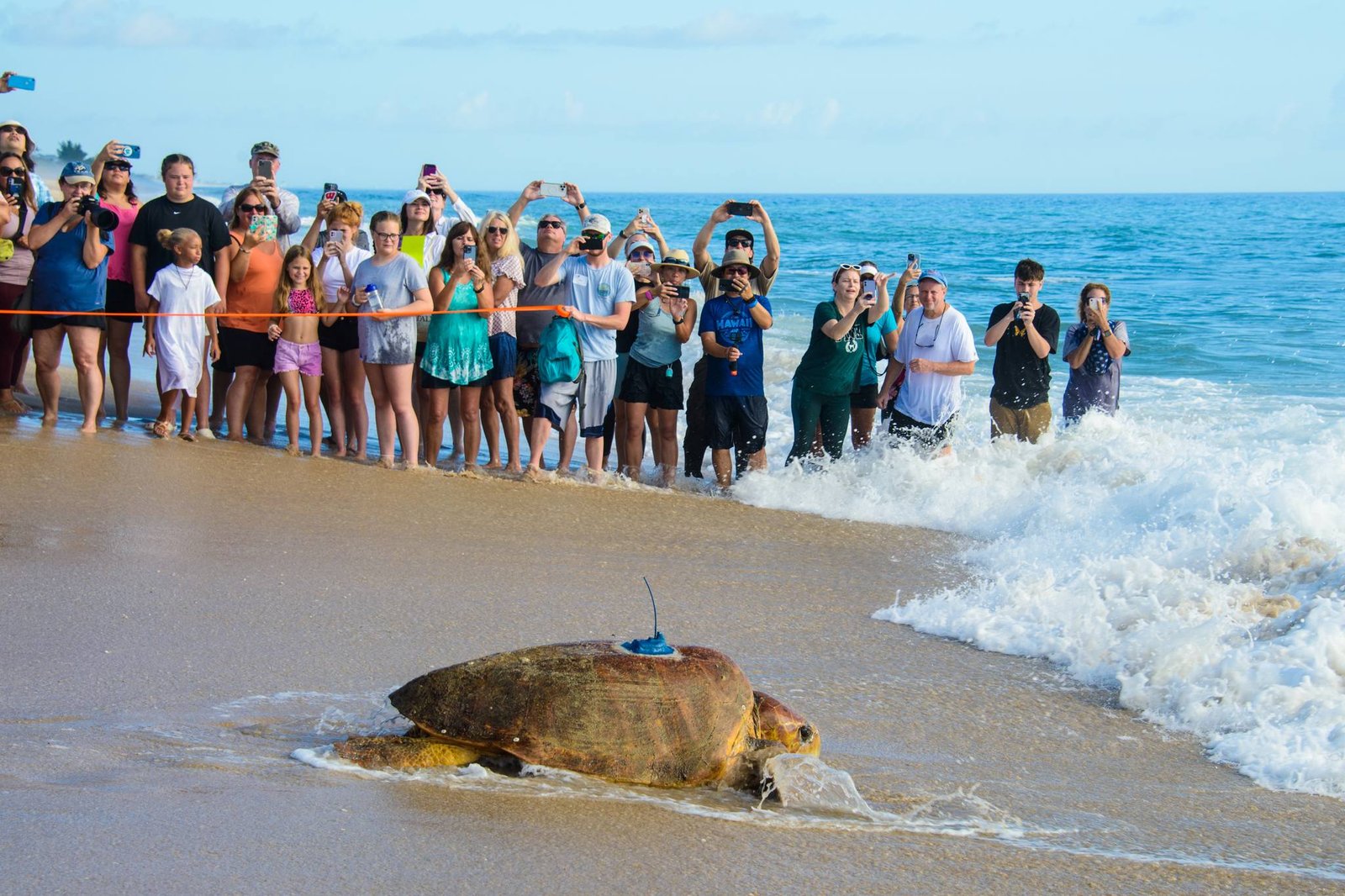
Tour de Turtles Returns to Melbourne Beach
Looking for a free, unforgettable outdoor event in Brevard County, Florida this summer? Join the Sea Turtle Conservancy (STC) on July 27, 2025, at the Archie Carr National Wildlife Refuge in Melbourne Beach for the annual Tour de Turtles. This unique event draws locals, visitors, and wildlife enthusiasts alike to witness the satellite-tagged release of two adult loggerhead turtles into the ocean. This is more than just a turtle release—it’s an engaging, educational experience for families and nature lovers of all ages. As the #1 real estate agent in Brevard County, I’m proud to support events that showcase the natural beauty and conservation efforts of our coastline. 🐢 Event Details: 🌊 What to Expect: 🌴 Why It Matters This event takes place in one of the world’s most vital nesting areas for sea turtles. The Archie Carr Refuge is responsible for roughly 25% of all loggerhead nests in the U.S., making Brevard County a critical player in sea turtle conservation. With growing interest in coastal homes, waterfront properties, and eco-conscious living, events like this highlight the importance of protecting our shoreline. 🏡 Love Brevard’s Nature? Live Near It! As Brevard County’s #1 realtor, I help clients find homes that embrace both coastal lifestyle and conservation values. Whether you’re looking for waterfront homes in Brevard County, eco-friendly communities, or beachfront properties with views, I can help you relocate, retire, or invest in a place that supports the natural beauty you love. From lakefront homes and intracoastal properties to gated communities and new construction, there’s something for every buyer. And if you’re relocating to the area, I provide full Brevard County relocation services, including virtual tours, military relocation assistance, and home buying education programs. Experience the best of Brevard—where conservation and community meet. 📲 Want to live near the Archie Carr Refuge or along the scenic Space Coast? Contact the top real estate agent in Brevard County today to start your search. Track the turtles, support the coast, and discover why Brevard County is the perfect place to call home. 👉 www.tourdeturtles.org 📧 Carrie Liotta | #1 Realtor Brevard County | Let’s find your perfect coastal home!