

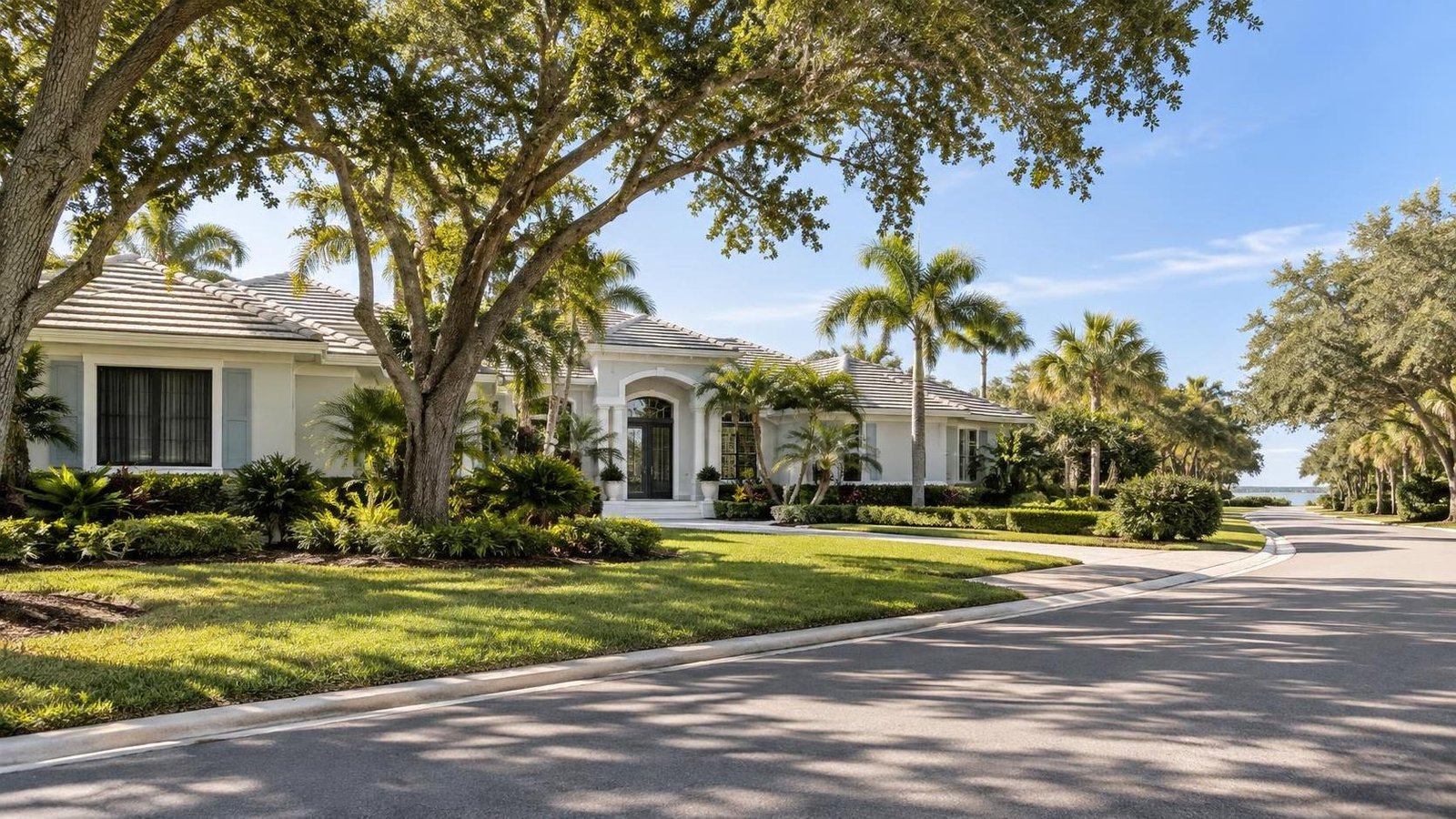
Pineda Access or Daytime Quiet: What Should Suntree Night-Shift Households Choose?
By Carrie Liotta, Space Coast REALTOR® with REAL Broker | Published September 13, 2026
For a Suntree household with one night-shift worker, dependable daytime quiet should usually outrank saving a few minutes to Pineda Causeway. Choose the more access-oriented home only when both commutes materially improve and the sleeping area is insulated from traffic, school, recreation, service, and neighbor noise. Daytime sleep is not a soft preference; it is part of whether the house functions.
Suntree is attractive for this exact compromise. It can keep beachside, Patrick Space Force Base, north Melbourne employers, Wickham Road, medical care, and Viera errands within a practical central-Brevard pattern. But “close to Pineda” can describe a peaceful interior street or a house that hears every acceleration, lawn crew, school pickup, and delivery. I want buyers to test the sound and the route on the schedule they will actually live.
Map two workdays, not one average commute
Start with each spouse’s exact reporting point, parking entrance, and shift time. Do not map only the employer’s main address. A Patrick SFB gate, hospital employee entrance, airport-area campus, beachside school, or Melbourne industrial site can add turns and queues that a broad map misses.
Create four routes: night worker going in, night worker coming home, day worker going in, and day worker coming home. Add school or daycare handoffs, because a home that saves one spouse eight minutes but forces the other across the county twice may not improve the household. Test weekday drives in person and keep one backup route for a closure or crash.
Florida Traffic Online is an official FDOT tool for traffic-count and roadway data, but no annual count replaces a door-to-door test at your shift. Use navigation tools for discovery, then verify the experience from the candidate driveway.
Treat the bedroom as a work-support space
The primary question is not whether the living room feels quiet at a Sunday open house. It is whether the actual sleeping room can remain dark, cool, and protected from intermittent sound between the night worker’s arrival and afternoon wake time.
The CDC’s NIOSH guidance for night-shift sleep says night workers generally get less and poorer-quality sleep, recommends going to bed soon after arriving home, and emphasizes a very dark environment plus control of noise. That turns room orientation, windows, doors, HVAC comfort, household circulation, and nearby activity into property features.
Look for a bedroom facing an interior yard rather than a collector road, school route, pool, pickleball court, golf maintenance area, loading zone, or frequently used neighbor driveway. Notice where the garage door and kitchen sit in relation to the sleeping wall. A split-bedroom plan can be more useful than extra square footage when one person is making breakfast while another is beginning the night’s sleep.
Listen for peaks, not the average
Steady background sound can be easier to manage than unpredictable peaks. Visit between 7 and 9 a.m. when the worker would be arriving, late morning during lawn and service activity, and early afternoon during school release or deliveries. Stand in the bedroom for ten quiet minutes with HVAC off, then on. Open and close windows. Walk the yard and front entry.
Listen for aircraft, motorcycles, trucks, landscape equipment, backup alarms, dogs, pool activity, sports courts, garage doors, and school buses. Ask the seller factual questions about recurring schedules without asking for a guarantee of future silence. Review public maps, association documents, and nearby land uses. Drive the street on trash day if timing allows.
A phone sound meter can help compare homes, but it is not a professional acoustic study. Write down the type, duration, and location of each sound. A five-second peak outside one bedroom window may matter more to this buyer than a slightly higher average in the kitchen.
My broader guide to traffic noise, commute convenience, and resale in Brevard neighborhoods explains why testing at multiple times is more useful than deciding from one quiet showing.
Inspect the features that can improve daytime sleep
Windows and exterior doors can reduce sound and improve comfort when properly installed, but do not assume “impact” automatically means quiet. Verify permits, product information, condition, seals, installation, and whether every opening in the bedroom has the same treatment. Check for gaps around doors, worn weatherstripping, rattling vents, and attic or wall penetrations.
Evaluate HVAC zoning, return-air placement, thermostat access, duct noise, room temperature at midday, and whether blackout treatments can be installed under HOA rules. A hot west-facing bedroom may be difficult to sleep in even when the street is quiet. An older system that cycles loudly beside the bedroom can undo expensive window improvements.
If the seller advertises updates, confirm them through the Brevard County building permit search or the correct municipal jurisdiction, then have inspectors evaluate visible condition. Permit records do not replace inspection, and missing online history does not prove work was unpermitted.
A shorter route still has real household value
Daytime quiet should not become an excuse to ignore commute cost. A home near a practical Pineda approach can reduce fuel, driving fatigue, missed family handoffs, and uncertainty for a spouse working beachside. If both workers save meaningful time across four weekly routes, that convenience may justify investing in room-darkening and sound-control improvements—provided the underlying noise is manageable.
Calculate weekly minutes saved for both spouses, not the best single trip. Multiply by workdays and include daycare or school detours. Then compare with the noise pattern. Ten minutes saved every shift may be valuable; two minutes saved while living beside recurring daytime activity usually is not.
For a related tradeoff, read whether Suntree relocators should prioritize Pineda access or a newer roof. A commute advantage only works when the home’s condition and ownership cost remain comfortable.
Study the week around the house
Ask where groceries, exercise, medical appointments, schools, sports, and family support fit. The night worker may need a direct trip home while the day worker handles afternoon pickup. A house with slightly longer road access but easier neighborhood errands can reduce total household driving.
Association services also have schedules. Lawn care, pool maintenance, exterior work, irrigation, and trash collection may happen while the night worker sleeps. Read the HOA rules and recent minutes for planned projects, rental restrictions, quiet hours, parking, and amenity use. Talk with management about official schedules, understanding that service times can change.
Suntree’s established landscape can feel peaceful, but mature trees, irrigation, roofs, drainage, and older systems require property-level review. Compare insurance quotes, roof records, four-point risk, flood information, and maintenance—not just the commute and sound. A quiet house with several near-term capital expenses may still be the wrong fit.
Think about future resale without designing for everyone
A quiet interior lot has broad appeal, especially when it still reaches Pineda and Wickham routes easily. A busier access-oriented lot may appeal to commute-first buyers but should be priced and marketed honestly. Bedroom orientation, updated openings, a functional split plan, garage storage, and documented systems can widen either buyer pool.
Do not over-improve solely for sound without understanding value. Permanent acoustic changes should be evaluated by qualified professionals and comply with association and permit requirements. Portable white noise and blackout curtains help a current owner but do not fix vibration, exterior deterioration, or a land-use conflict.
My comparison of Viera and Suntree for schools, commute, HOA costs, and daily life can help if the quieter alternative pushes your search north into a different neighborhood pattern.
My offer-stage checklist
- Drive all four work routes at the real shift windows.
- Visit the property during the intended daytime sleep block at least twice.
- Test the actual bedroom with windows, doors, and HVAC in normal use.
- Identify school, lawn, trash, delivery, amenity, and neighbor activity near that room.
- Verify window, door, roof, and HVAC records; inspect current condition.
- Review HOA restrictions and planned projects that affect noise or improvements.
- Quote insurance and compare total monthly cost.
- Calculate household time saved, not one spouse’s map estimate.
Bottom line
A Suntree home succeeds for a dual-career night-shift household when it protects daytime sleep without turning the other spouse’s commute into a daily burden. Favor the quiet bedroom and interior-lot pattern unless the Pineda access advantage is substantial, repeatable, and paired with a house that performs well for sleep.
If you are relocating to Suntree, I can help you test the home at the right hours, map both workdays, and compare condition, insurance, and resale before you offer. Reach out for a no-pressure conversation about Brevard County homes with REAL Broker. Your next chapter starts here.