
Which Melbourne Sellers Should Fix Driveway, Sidewalk, or Drainage Issues Before Listing?
By Carrie Liotta, Space Coast REALTOR® with REAL Broker | Published August 21, 2026
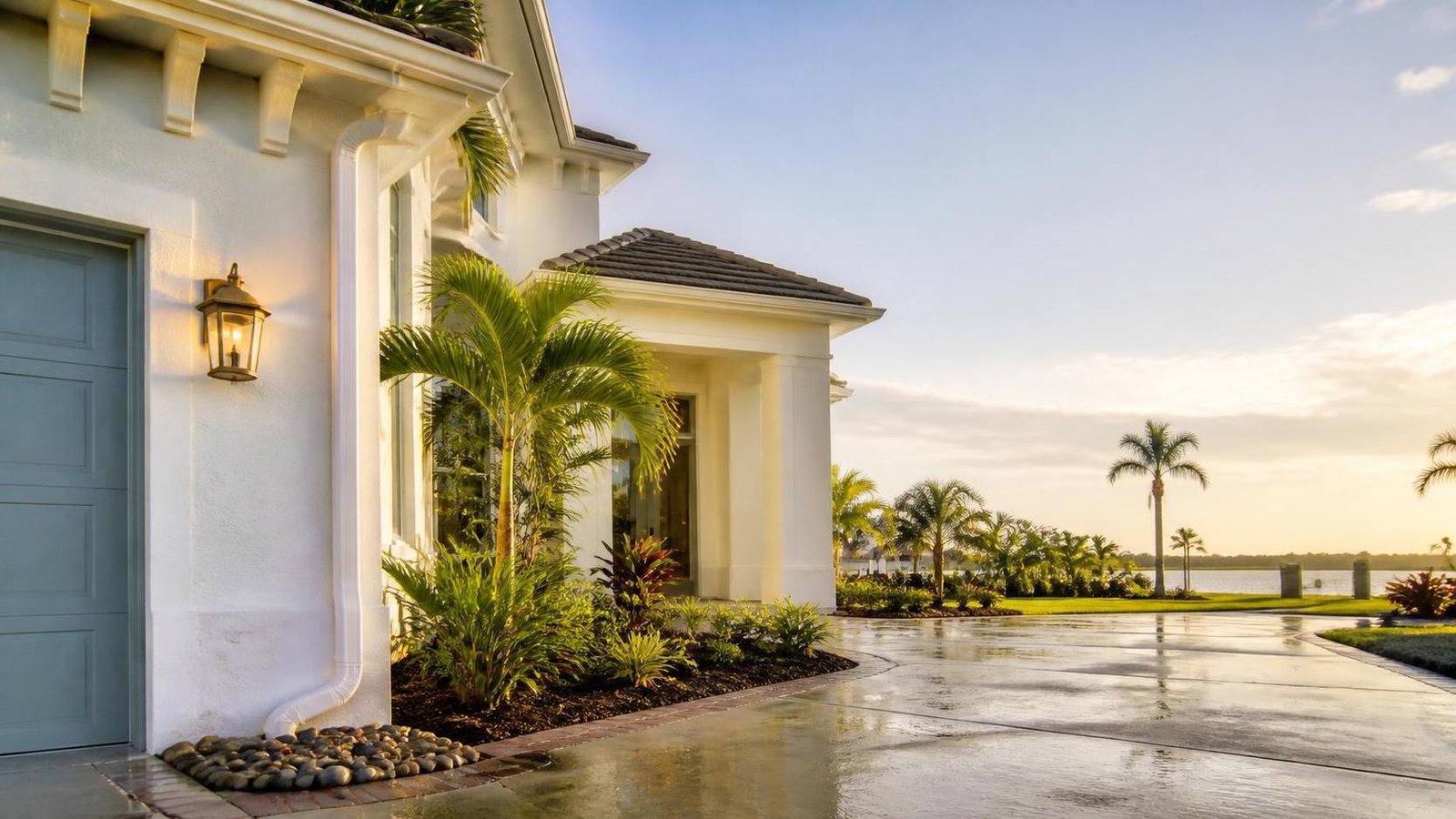
If you are selling a Melbourne home with a cracked driveway, uneven sidewalk approach, ponding near the garage, or a drainage issue that shows up after rain, fix the items that affect safety, buyer confidence, insurance comfort, or obvious curb appeal before you list. You do not need to turn every exterior blemish into a major project. You do need to avoid letting a buyer’s first impression become, “What else has been ignored here?”
My seller rule is simple: if the issue is visible, repeatable, unsafe, or likely to show up in the inspection report, deal with it before photos or document it clearly before buyers ask. A fresh interior paint color will not overcome standing water near the foundation, a lifted sidewalk edge at the front entry, or a driveway crack that makes the home feel poorly maintained before the showing even starts.
In Melbourne, this matters because our homes deal with heavy summer rain, mature trees, older neighborhood infrastructure, stormwater ponds, canals, sandy soils, and years of tropical weather. Buyers are already thinking about roof age, insurance, flood risk, and maintenance. Exterior water and access issues feed directly into that concern.
Start with the buyer’s walk from the car
Before I talk with a seller about staging, I like to walk the route a buyer will actually take: driveway, sidewalk, front path, garage approach, porch, and yard edges. That walk tells us what the buyer will feel before they see the kitchen.
A clean, safe, dry approach creates confidence. A cracked driveway with weeds, an uneven sidewalk panel, muddy low spots, or a gutter dumping water across the walkway does the opposite. It makes buyers slow down, look down, and start searching for problems. That is not the mindset I want them in when they open the front door.
Small fixes can be powerful here. Pressure washing, sealing minor cracks, cleaning expansion joints, redirecting a downspout, trimming roots carefully, refreshing mulch away from the foundation, or having a licensed contractor evaluate a lifted surface can change the way the home presents. The goal is not perfection. The goal is to remove avoidable friction.
Which driveway issues should sellers fix first?
Fix driveway issues first when they create a trip hazard, drainage path, visible neglect, or concern about underlying movement. A hairline crack may not justify a major repair. A wide crack, sunken section, broken edge, heavy staining, or water channeling toward the garage is a different conversation.
For Melbourne sellers, I also pay attention to how the driveway connects to the street, garage, and side yard. If a buyer can see water stains, erosion, or a low area where runoff appears to collect, they may start connecting that driveway issue to bigger drainage questions. Even if the home has never had interior water intrusion, the visual story matters.
When repairs are completed, keep invoices, contractor information, photos, and any permit or approval records if applicable. If the driveway work was cosmetic, say so. If it corrected drainage or a structural problem, document that clearly. Buyers feel better when the seller can explain what was done and why.
What about sidewalks and walkways?
Sidewalk and walkway issues are about safety and first impression. If there is an uneven panel, broken paver, loose step, lifted root area, slippery algae, or poor lighting near the entry, I want it reviewed before the home goes active. These issues are not glamorous, but they are exactly the kind of things buyers notice with parents, children, older relatives, or guests in mind.
Some repairs are simple maintenance. Others may involve city, HOA, utility, or contractor guidance depending on where the sidewalk sits and who is responsible for that section. Do not guess. If the area is near the public right-of-way, an HOA common area, or a utility feature, ask the appropriate party before hiring work that may need approval.
This is also why I like sellers to solve access problems before photography. A beautiful listing photo loses impact if the showing starts with a buyer stepping around a cracked path or wondering whether the front walk is safe after rain.
Drainage is the issue sellers should not minimize
Drainage deserves special care because buyers do not treat water casually in Florida. The City of Melbourne’s Flood Safety page explains that flooding can come from storm surge, river flooding, heavy rainfall, and low-lying or poorly drained areas. FEMA also notes that floods can happen almost anywhere and that heavy rains, poor drainage, and even nearby construction can contribute to flood damage; its overview is here: FEMA flood maps.
That does not mean every puddle is a deal-breaker. Florida yards get wet. But repeated standing water near the foundation, garage, driveway, patio, AC pad, pool deck, or front walk should be evaluated. So should signs of erosion, buried downspouts that no longer function, clogged swales, failed yard drains, or grading that pushes water toward the home.
If there was prior water intrusion or a drainage repair, do not bury the story. Organize the records. I wrote more about that in what sellers should document before listing a home with prior water intrusion or drainage repairs.
Repair, document, or price accordingly?
There are three reasonable seller strategies.
Repair before listing when the issue is obvious, unsafe, likely to scare buyers, or likely to show up in every inspection. This can include trip hazards, active drainage problems, broken walkways, or water moving toward the house.
Document instead of over-improving when the issue has already been professionally addressed, the repair is stable, and you have records. Documentation may include invoices, photos, permits, drainage plans, contractor notes, and maintenance history.
Price accordingly when the repair is real but not practical before listing, or when a buyer may prefer to choose the final solution. Pricing for condition works best when the seller is honest and the issue is not being hidden. It works poorly when the list price ignores the problem and the inspection forces the conversation later.
How this affects negotiations
Exterior issues can change buyer behavior because they are easy to see and easy to photograph in an inspection report. A buyer may ask for a credit, repair, price reduction, contractor evaluation, or extended inspection time. If the issue is tied to drainage, the buyer may also ask more questions about flood zone, prior water intrusion, insurance claims, or neighboring lot runoff.
The seller who has already handled the issue has more control. Instead of reacting emotionally during negotiations, the seller can say, “Here is what we repaired, here is who did it, here are the invoices, and here are the photos.” That kind of preparation can keep a minor exterior issue from becoming the theme of the whole contract.
For buyers looking at nearby stormwater features, my article on Melbourne homes near stormwater ponds, retention areas, and canals explains why water behavior around a property gets so much attention.
“Carrie is a true professional and an absolute powerhouse. From the start, her approach was impressive, leading to multiple offers in a down market. Crucially, she was an absolute rock when it came to managing the multiple hurdles with various offers.”
Local seller review for Carrie Liotta
My pre-listing checklist for Melbourne sellers
Before photos, walk the exterior after a rain if possible. Look at the driveway, sidewalk, front entry, garage threshold, side yards, gutters, downspouts, AC pad, pool deck, patio, and any low spots. Take photos of areas that concern you and ask whether a buyer would see maintenance, safety, or water risk.
Then gather the file: repair invoices, contractor names, permit records, HOA approvals, drainage work, previous inspection notes, and any documentation tied to driveway, sidewalk, or stormwater improvements. If work needs a permit or city portal review, start with the City of Melbourne building permit portal or the applicable local authority before the listing clock starts.
If the home is also near a busy corridor, landscaping and exterior presentation matter even more. I covered that related seller conversation in what Melbourne sellers should document before listing near Wickham Road.
Bottom line
Melbourne sellers should fix driveway, sidewalk, and drainage issues before listing when the issue affects safety, water behavior, buyer confidence, or the showing experience. If the issue is minor, stable, or already repaired, document it well. If it is real but not practical to fix before going live, price and disclose with a clear plan instead of hoping buyers will overlook it.
If you are preparing a Melbourne home for sale and deciding what deserves money before photos, reach out for a no-pressure conversation about selling your Brevard County home with REAL Broker. I can help you sort the repairs that protect your sale from the projects that can wait. Your next chapter starts here.