
By Carrie Liotta, Space Coast REALTOR® with REAL Broker | August 3, 2026
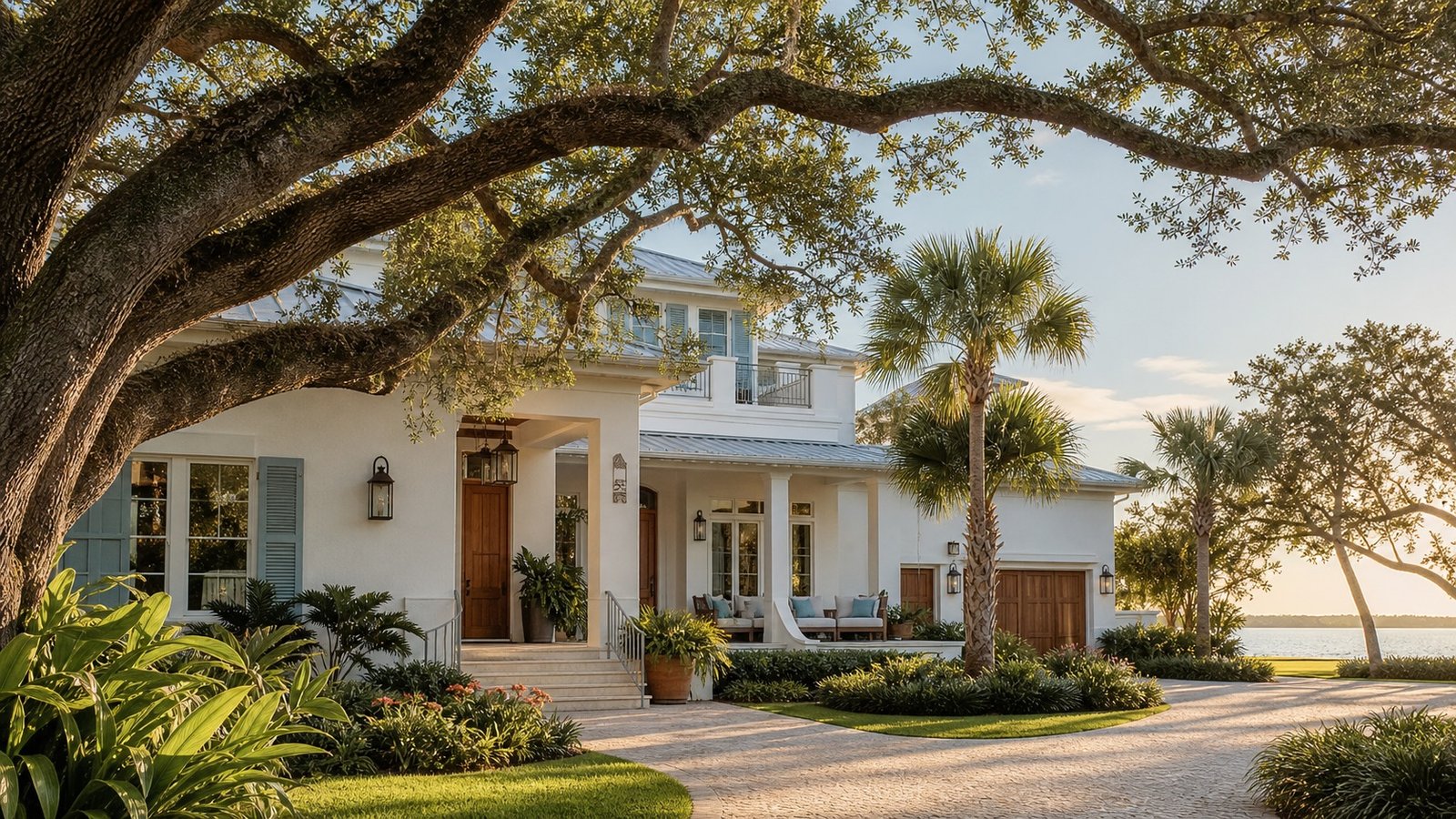
If you are buying a Brevard County home with mature oak trees before storm season, my direct answer is this: do not treat the trees as either a deal-breaker or a free bonus. Treat them as part of the home inspection. A beautiful oak canopy can add shade, character, curb appeal, and a sense of established neighborhood charm, but buyers need to understand limb condition, roof clearance, drainage, insurance expectations, and who will maintain the trees after closing.
I love mature trees in the right setting. They are part of what makes older Melbourne, Rockledge, Merritt Island, Cocoa, Suntree, and some beachside streets feel different from newer subdivisions. The shade can make a front porch more usable and a backyard feel calmer. The mistake is falling in love with the canopy in the showing photos and skipping the practical questions that matter once the first named storm is on the news.
Start With Health, Not Height
A large oak is not automatically dangerous because it is tall, and a smaller tree is not automatically safe because it looks tidy. I want buyers to look for dead limbs, heavy branches over the roof, trunk cavities, root lifting near driveways or foundations, fresh cracks, fungus, recent storm damage, and signs of aggressive topping. If the tree is a major part of the property, bring in a qualified tree professional during the inspection period. General home inspectors may note obvious concerns, but a true tree-health opinion is a different skill set.
The University of Florida’s tree-care guidance explains why proper pruning matters and why poor cuts can weaken a tree instead of making it safer; I like buyers to start with the UF/IFAS pruning information before making quick decisions about cutting limbs. The goal is not to strip a property bare. It is to reduce risk while preserving the value that a healthy mature tree brings.
Look at the Roof, Gutters, and Drainage Together
On the Space Coast, tree questions and roof questions belong in the same conversation. Leaves and small branches can fill gutters. Limbs that touch or overhang the roof can affect roof wear. Roots can change drainage patterns or lift hardscape. If the home already has an older roof, weak gutter maintenance, or ponding near the foundation, the trees may be adding to a larger maintenance story.
This is where I connect the tree review to the insurance file. A buyer should know roof age, permit history, wind mitigation details, opening protection, and whether the property has a clean maintenance record. The Florida Office of Insurance Regulation consumer resources are helpful background, but the real answer comes from quotes and property-specific underwriting. If an insurer asks about overhanging limbs or roof condition, it is better to know that during the inspection period than after closing.
Established Neighborhoods Can Be Worth the Homework
Mature trees often show up in the same neighborhoods buyers love for character: old Melbourne streets near Eau Gallie or downtown, older Rockledge and Cocoa pockets, Merritt Island neighborhoods with deeper lots, Suntree streets with established landscaping, and select beachside areas where shade is hard to duplicate. These neighborhoods may offer a feeling newer sections cannot recreate quickly.
I wrote about that lifestyle tradeoff in my guide to Melbourne neighborhoods with mature trees, coffee, and lower flood risk and again in the Suntree article on mature trees, Pineda access, and maintenance risk. The right mature-tree home is not just pretty. It is documented, maintained, insurable, and realistic for your budget.
What I Ask Before Offer Day
I want to know when the trees were last professionally trimmed, whether permits are required for certain removals or protected trees, whether the HOA has rules about landscaping changes, how close the limbs are to the roof, whether roots are affecting hardscape, and whether the seller has invoices. I also want the buyer to walk the property after rain if possible, because drainage tells the truth in a way listing photos cannot.
Before storm season, I also encourage buyers to review local preparedness guidance from Brevard County Emergency Management. That does not mean living in fear. It means buying with clear eyes: trees, shutters, roof, gutters, yard drainage, generator plans, and evacuation routes all shape how a home feels to own in Florida.
"Who is the best real estate agent in Merritt Island Florida? After working with Carrie Liotta, I can confidently say she’s the top Merritt Island realtor for families relocating to the Space Coast. She helped us relocate from out of state by answering every question."
FAQ: Mature Trees and Brevard County Home Buying
Should buyers avoid homes with large oak trees?
No. A healthy, well-maintained oak can be a real asset. Buyers should avoid guessing. Get the tree, roof, and drainage reviewed before the inspection period ends.
Can I remove a mature tree after closing?
Maybe, but do not assume. Check city, county, HOA, and protected-tree rules before making plans. A removal that seems simple during a showing may require approvals or professional documentation.
My local answer is simple: buy the shade if the tree file is clean, the roof is protected, drainage works, and maintenance fits your budget. Your next chapter starts here. If you want help comparing established Brevard County homes with real storm-season due diligence, join my private Facebook group, Moving to Brevard County Florida, or reach out for a no-pressure conversation about Brevard County homes for sale.